
Introduction
Bite into a ripe pawpaw and you get something strange for a backyard fruit. The flesh is soft as custard, and it tastes like banana, mango, and a hint of pineapple all at once. What makes it odd is where it grows. This tropical flavor comes from a pawpaw tree that shrugs off cold winters and thrives in a plain temperate yard. Most care posts skim over the details that decide whether yours ever fruits, and this guide fills those gaps.
The pawpaw goes by the scientific name Asimina triloba. It is the largest edible fruit native to North America. The pawpaw program at Kentucky State University backs up that claim. It is also the one member of the custard apple family that can take cold. The rest of that family is tropical. So this native fruit tree gives you a taste of the tropics in a yard with cold winters. No wonder it draws crowds to Ohio's fall pawpaw festivals and feeds a small but growing specialty fruit trade.
A pawpaw pays you back only if you get a few things right, and those are the parts worth reading closely. The fruit's real nutrition numbers come first, and they beat most fruit you can name. The second is an honest look at which cultivars top the rest. The third is a straight answer on whether a pawpaw can live in a pot. The site, soil, and two trees for fruit matter too, and every part shows up ahead.
Here is the path ahead. You will get to know the pawpaw and its standout nutrition first. Then comes planting, getting the flowers pollinated, and watering, feeding, and pruning the tree through the year. After that comes the harvest, the best cultivars to plant, and the wildlife your tree will feed. By the end you will know how to grow pawpaw fruit that lives up to its wild, tropical reputation.
Pawpaw Tree at a Glance
The pawpaw tree, known to science as Asimina triloba, is the biggest native fruit tree in North America. It sits in the custard apple family, called Annonaceae. Every other member of that group is tropical. That makes the pawpaw a real oddball. It is the one member of that family that shrugs off cold winters, so it thrives where a mango never could. Most growers meet it as a shady understory tree that hides the largest native fruit in plain sight.
This small tree tops out at 10 to 30 feet tall for most growers, though a few reach 40 feet in the best spots. The fruit runs 3 to 6 inches long and weighs about 6 to 12 ounces. That puts each one near the size of a large avocado. You spot them in green clusters as summer winds down.
It is the largest edible tree fruit native to the continental United States.
The pawpaw fruit earns its spot on flavor and on nutrition. Per 100 grams it packs about 18.3 milligrams of vitamin C, close to double what a banana gives you. It also carries 113 milligrams of magnesium and 7 milligrams of iron. That beats a banana, apple, or orange. You even get 1.2 grams of protein plus every essential amino acid your body needs.
So what does it look like on the branch? A ripe pawpaw looks a lot like a small green potato or a stubby mango. Cut one open and the flesh turns soft and golden. You scoop it out with a spoon, and it eats like banana custard with a hint of mango and pineapple. That mix of tropical taste and frost tolerance is what hooks new growers.
Planting Your Pawpaw Tree
The leaf edges on my young grafted pawpaw browned and curled like scorched paper that first summer. The little tree sat in the damp back corner where my yard meets the tree line, out in open, baking sun. I set shade cloth over the top, and the new shoots came back clean and green.
That scorch points to what pawpaw growing conditions ask for. You want deep, fertile, well-drained soil with a pH of 5.5 to 7.0. Aim for at least 32 inches of rain a year, or about 81 centimeters, plus shelter from strong wind. Pawpaws grow well in USDA zones 5 to 8, and some sources stretch that to 9, so check your zone before you buy.
When you get to planting pawpaw trees, timing and depth matter more than muscle. A pawpaw grows a brittle taproot that hates disturbance, so set young container or bare-root trees in the ground fast. Plant spacing counts too. Put at least two different trees 8 to 15 feet apart, so pollen can move between the pair and set fruit.
Pick a spot with deep, well-drained soil and some wind protection. Young trees need part shade the first year or two, but the site should reach full sun later for the heaviest fruiting.
Aim for fertile, moist but well-drained ground at pH 5.5 to 7.0. Work in compost if the soil is thin, and avoid low spots where water sits after rain.
Pawpaws form a brittle taproot that hates disturbance, so plant young container or bare-root trees quickly and dig a hole only as deep as the root ball to keep it from bending.
Plant at least two genetically different trees 8 to 15 feet (2.4 to 4.6 meters) apart so flies and beetles can carry pollen between them. Firm the soil and water it in well.
Shade seedlings for the first year or two, keep the soil evenly moist with about 1 to 2 inches (2.5 to 5 centimeters) of water a week, and mulch to hold moisture and cut weeds.
Never plant a young pawpaw seedling in open, full sun. The seedlings are so sun-sensitive that direct sun can scorch and even kill them, so give them shade for the first one to two years before they graduate to full sun.
So shade your young trees for the first year or two. Many growers tuck seedlings among taller nurse plants, or drape shade cloth over the tops, until the trunks toughen up. Once your pawpaw settles in, let it move into full sun, and that is when you get the heaviest fruit.
Pollination and Fruit Set
Two grafted trees sat about 10 feet apart in the damp back corner of my yard. Last fall a Shenandoah and a Sunflower finally set a heavy crop. The first 3 springs told a different story. Both trees flowered on time, yet almost no fruit followed. Then I switched to hand-pollination with a small soft brush, moving pollen from one tree to the other. That same year the branches bent under the weight of fruit.
Pawpaw pollination works nothing like an apple tree, where bees do all the work. Each flower is self-incompatible, so its own pollen cannot set fruit. The female stigma also ripens before that same flower sheds its pollen. You need cross-pollination from a second, genetically different tree for any bloom to become fruit.
The pollinators are odd too. Flies and beetles do most of the work, pulled in by a faint fermenting smell that bees skip right past. These insects show up when they feel like it, so your natural fruit set stays low. Some growers even hang overripe meat near their trees to draw in more flies. The trick sounds strange, but it shows how far pawpaws sit from ordinary orchard fruit.
Self-Incompatible Flowers
- What it means: A pawpaw flower cannot fertilize itself, so its own pollen will not set fruit even though each bloom has both male and female parts.
- Why it happens: The flowers are protogynous, meaning the female stigma is receptive before that same flower sheds its pollen, which blocks self-pollination.
- What you need: Pollen must come from a second, genetically different tree for the flower to develop into fruit.
Two Different Trees Required
- The rule: Plant at least two genetically distinct pawpaws, ideally 8 to 15 feet (2.4 to 4.6 meters) apart, so pollinators can move between them.
- The catch: Suckers from one tree, or a whole wild patch, are often clones of a single plant and cannot pollinate each other.
- Buying tip: Choose named grafted cultivars or seedlings from different parents to guarantee genetic difference.
Flies and Beetles, Not Bees
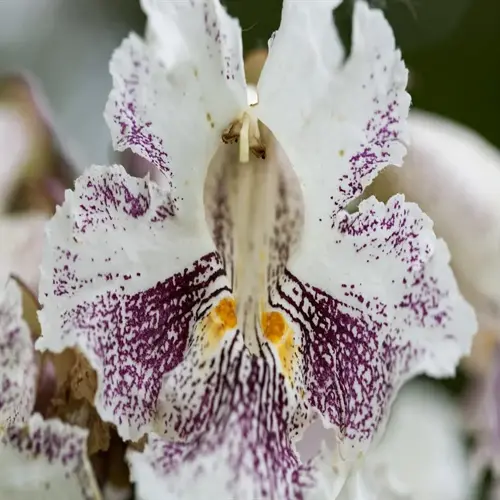
- The pollinators: Flies and beetles, drawn by a faint fermenting odor, do most pawpaw pollination, while bees largely ignore the maroon flowers.
- The result: These insects are inconsistent visitors, so natural fruit set is frequently low even when two trees flower together.
- The timing: Flowers open over several weeks in spring, which spreads pollination out and makes any single day's insect activity less critical.
Hand-Pollination for Better Yields
- The method: Use a small soft brush to lift pollen from a freshly opened flower on one tree and dab it onto the receptive stigma of a flower on another tree.
- The timing: Work when the stigma looks glossy and green and the pollen is loose and dark, moving between trees to mimic what insects do.
- The payoff: A few minutes of brushing during bloom can turn a sparse fruit set into a heavy one.
A few minutes with that brush during bloom can flip your bare tree into a loaded one. The bigger mistake happens at the nursery. You buy 2 trees that turn out to be the same plant underneath. Named grafted cultivars from different parents give you the genetic split that fruit set depends on.
A wild pawpaw thicket can look like many trees but be a single plant spread by root suckers, and it will never fruit because it cannot pollinate itself. If you dig up suckers from one patch, you are planting clones, so always add a tree of different genetic parentage.
Watering, Feeding and Pruning
Here is the good news: pawpaw tree care stays simple once the tree settles in. Pawpaws have few serious pests and seldom need spraying. Most of your work comes down to keeping the soil moist and giving one light feeding each spring. A little cleanup pruning rounds out the year. Picture watering a pawpaw like keeping a wrung out sponge damp. The soil should feel moist all the way down but never soggy or waterlogged.
The checklist below breaks the whole year into a few easy jobs. Give young trees about 1 to 2 inches (2.5 to 5 centimeters) of water per week while they establish. Feed them once as new growth starts in spring. Fertilizing stays light here. Use a balanced blend for a home tree, or close to 100 pounds of nitrogen per acre each year on a working orchard. After that, add mulch. Mulching locks that moisture in and keeps weeds down.
- Watering: Give about 1 to 2 inches (2.5 to 5 centimeters) of water per week, keeping the soil evenly moist while trees establish. Deep, steady watering matters most in the first few years and during dry summer spells.
- Feeding: Apply a balanced fertilizer in early spring as growth begins. Home growers can use a balanced blend such as 10-10-10, while orchards apply roughly 100 pounds of nitrogen per acre each year.
- Mulching: Spread a few inches of organic mulch around the base to hold moisture, moderate soil temperature, and suppress weeds. Keep mulch pulled back a little from the trunk itself.
- Pruning: Prune in late winter while the tree is dormant. Remove dead, damaged, or crossing branches and thin the canopy for light and airflow, which supports better fruiting.
- Managing suckers: Pawpaws send up root suckers that can form a thicket. Rub off or dig out unwanted suckers if you want a single-trunk tree rather than a spreading colony.
- Winter and wind care: Shelter young trees from strong wind and hard cold. Mature pawpaws are hardy to about minus 15 degrees Fahrenheit (minus 26 degrees Celsius), but young bark can suffer in exposed, sunny winter sites.
Save your pruning for late winter, while the tree still sleeps. Cut out any dead, damaged, or crossing branches, then thin the canopy so more light and air reach the fruit. Pawpaws also send up root suckers that can spread into a thicket. Rub them off if you want one clean trunk instead of a patch.
Ripening, Storage and Nutrition
Your pawpaw fruit ripens from late August through October, with the peak crop landing in September and early October. You know a fruit is ready when it softens like a ripe peach and the skin turns yellow or picks up brown speckles. Judging pawpaw ripeness works a lot like checking an avocado. A gentle press should give a little under the skin, and that soft give means the sweet custard inside tastes of banana and mango. Timing matters most when harvesting pawpaw fruit, since a firm one picked early never reaches its full flavor.
Ripe pawpaw does not keep well, so plan to eat it fast. At room temperature the fruit lasts just a few days before it turns to mush. Ethylene gas peaks about 3 days after you pick it. For longer storage, pop the fruit in the fridge at 32°F to 40°F (0°C to 4°C), which slows the ripening and buys you extra days. Most growers scoop out the soft pulp and freeze it, then use it in ice cream, breads, and smoothies as a banana substitute.
Here is where pawpaw shines. The fruit packs more vitamins and minerals than most people expect. A 100 gram serving gives you about 18.3 milligrams of vitamin C. That is twice what a banana has and three times an apple. Pawpaw also beats banana, apple, and orange for magnesium and iron. It even holds all essential amino acids. One serving runs about 80 calories. The table below breaks down pawpaw nutrition so you can see how it stacks up against fruit you eat.
Enjoy only the soft, ripe pulp and spit out the large seeds. The skin, seeds, and unripe fruit can upset the stomach, and handling foliage or fruit can irritate sensitive skin, so wear gloves when harvesting and eat ripe pawpaw in moderation.
Best Cultivars and Wildlife Value
Wild pawpaw seedlings can taste bitter or hold too many seeds, so most growers plant named pawpaw cultivars instead. These selections give you bigger fruit and sweeter flesh than a random seedling ever will. Breeders spent years picking the best pawpaw varieties for backyard growers.
Your choice comes down to what you want most from the fruit. Shenandoah gives you mild, sweet flesh with few seeds, so it suits anyone new to pawpaw. Susquehanna trades a little yield for large fruit and rich, buttery pulp that serious fans rank near the top. Match the variety to your taste, but plan on a second tree nearby for pollination.
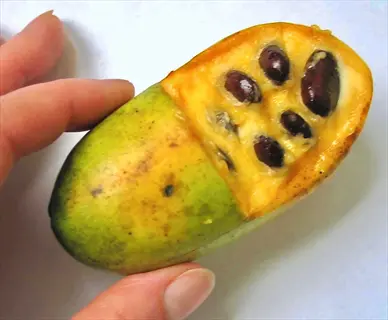
Shenandoah
- Flavor: A Peterson selection prized for mild, sweet, custard-like flesh that appeals to first-time pawpaw eaters who find wilder fruit too strong.
- Fruit: Medium to large fruit with relatively few seeds, making it easy to scoop and enjoy fresh from the skin.
- Habit: A reliable, productive tree that has become one of the most widely planted named cultivars in home gardens.
- Best for: Growers who want a dependable, crowd-pleasing fruit rather than a bold, funky flavor.
- Pairing: Plant it near a different cultivar such as Susquehanna or Sunflower to ensure cross-pollination.
- Region: Performs well across much of the pawpaw's hardy range in USDA zones 5 to 8.
Susquehanna
- Flavor: Another Peterson cultivar, known for rich, buttery flesh and a full tropical flavor that many enthusiasts rank among the best.
- Fruit: Large fruit with thick flesh and comparatively few seeds, giving a high proportion of edible pulp.
- Habit: A somewhat less prolific tree than some, trading a little quantity for standout fruit quality.
- Best for: Gardeners focused on the finest eating quality who do not mind a slightly lighter yield.
- Pairing: Needs a genetically different partner nearby, so combine it with Shenandoah or Overleese.
- Region: Suited to the core temperate range where pawpaws receive enough summer heat to ripen large fruit.
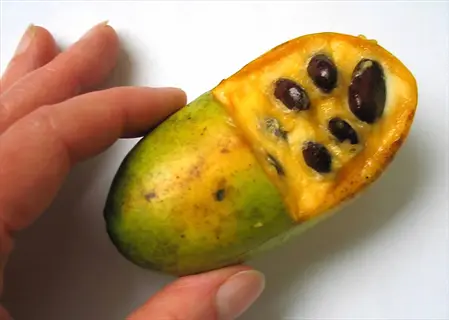
Sunflower
- Flavor: An heirloom-style selection with sweet, yellow, custardy flesh and a classic pawpaw taste that growers return to.
- Fruit: Large, rounded fruit borne on a tree noted in trials as one of the higher-yielding cultivars.
- Habit: Vigorous and productive, which has made it a long-time favorite for backyard and small-orchard planting.
- Best for: Growers who want dependable, heavy crops from a well-proven variety.
- Pairing: Even reliable croppers fruit best with a second genetically different tree, so still plant a partner.
- Region: Widely grown across the pawpaw belt and productive in northern trials such as those in Alabama.
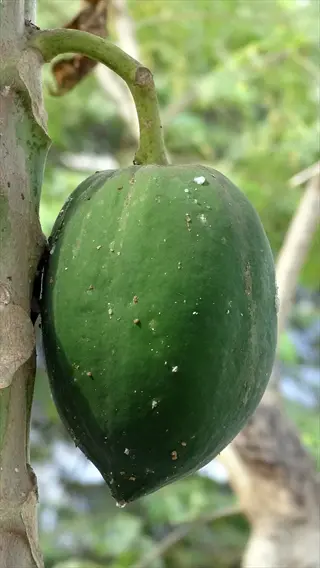
Overleese
- Flavor: A classic older cultivar with rich, aromatic flesh and a rounded, well-balanced flavor.
- Fruit: Large fruit with few seeds, long valued for its generous ratio of pulp to seed.
- Habit: A steady, productive tree that has stayed popular for decades among pawpaw growers.
- Best for: Gardeners who want a proven heritage variety with big, easy-eating fruit.
- Pairing: Combine with a Peterson cultivar or Sunflower for cross-pollination and a longer bloom overlap.
- Region: Reliable through the tree's main hardy range in the eastern and central United States.
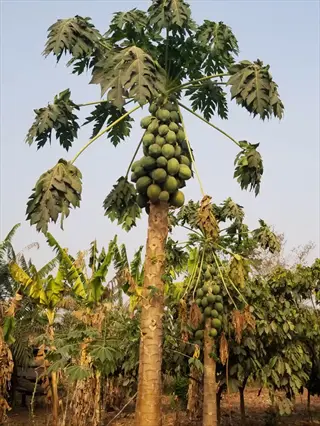
Mango
- Flavor: Named for its mango-like taste, this southern favorite offers bright, sweet, tropical flesh.
- Fruit: Medium to large fruit that ripens to soft, custardy pulp ideal for eating fresh with a spoon.
- Habit: A productive selection that performs especially well in warmer parts of the pawpaw range.
- Best for: Growers in the south, or anyone who wants the most tropical flavor profile.
- Pairing: Plant alongside a different cultivar to meet the cross-pollination requirement.
- Region: Best suited to the warmer end of the hardy range where longer seasons help it ripen fully.
A pawpaw tree earns its spot in a wildlife garden well beyond the fruit it drops. It is the only plant the zebra swallowtail butterfly will lay its eggs on. No pawpaw means no caterpillars for this native. Plant even one tree, and you give the butterfly the host it needs.
Deer leave pawpaw alone, which makes it a rare deer resistant native you can plant without fencing. One National Park Service survey checked 2,480 young trees and found deer had browsed 27% of them. Pawpaw still came back over 99% browse free. That resistance is one reason pawpaw is now the most common sapling in many regional parks.
5 Common Myths
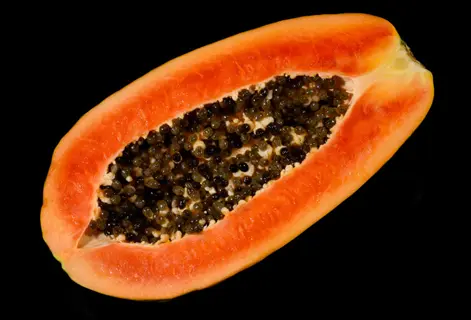
Pawpaw and papaya are simply two names for the very same tropical fruit that people buy at the grocery store.
They are different plants. Pawpaw is Asimina triloba, native to North America, while papaya is Carica papaya from the tropics; they share only a nickname.
A single pawpaw tree planted on its own will reliably fill up with fruit once it is finally old enough.
Pawpaws are self-incompatible, so one tree, or a patch of identical clones, cannot pollinate itself. You need two genetically different trees for fruit.
Honeybees do the main work of pollinating pawpaw flowers, just as they do for apple and other orchard trees.
Pawpaws are pollinated mainly by flies and beetles drawn to the flowers' faint, fermenting odor, not by bees, which is why natural fruit set is often low.
Pawpaw fruit is unsafe and basically poisonous, which is the reason almost nobody bothers to grow or eat it today.
The ripe pulp is edible and nutritious. Only the skin, seeds, and unripe fruit cause problems, so simply eat the ripe pulp in moderation.
Young pawpaw seedlings love full sun and will always grow fastest if you plant them out in the wide open.
Seedlings are very sensitive to full sun and can be killed by it. They need shade for the first year or two before moving into full sun.
Conclusion
You began with an odd, almost tropical fruit and plenty of doubt. Now you can read a pawpaw tree from its soft, custard flesh down to its deep taproot. You know how to pick a shady spot, set the tree in the ground, and protect young seedlings through their tender first years. The whole arc from bare root to ripe fruit makes sense now.
Two facts make all that patience worth it. This is the largest edible fruit native to North America, and no other temperate tree gives you flavor quite like it. It also feeds you well. Per 100 grams, pawpaw matches or beats banana, apple, and orange on vitamin C, magnesium, and iron. You get real nutrition from a fruit that tastes like dessert.
One rule matters more than any other. Plant at least two genetically different trees. Space them 8 to 15 feet (2.4 to 4.6 meters) apart. That gap lets cross-pollination happen. A lone tree, or a patch of clones, will flower and never fruit. Give the seedlings shade early, then be patient. Grafted trees can fruit in as few as 3 years, while seedlings take 5 to 8 years.
Growing pawpaw asks for patience, but the reward is rare. After 3 years of steady care, a grafted tree can set its very first fruit. Picture a late September morning, your own native fruit tree heavy with ripe fruit. You scoop a soft pawpaw harvest straight from the skin with a spoon. As more gardeners plant for wildlife and homegrown food, this hardy native earns its place.
Glossary
- Annonaceae
- The custard-apple plant family, mostly tropical, of which the pawpaw is the only temperate-climate member.
- Asimina triloba
- The botanical name for the pawpaw, the largest edible fruit tree native to North America.
- Cross-pollination
- The transfer of pollen between two genetically different plants so their flowers can produce fruit.
- Pollinizer
- A separate, genetically different plant that supplies compatible pollen so another plant can set fruit.
- Protogynous
- Describes a flower whose female part becomes receptive before that same flower releases its own pollen.
- Self-incompatible
- A plant whose flowers cannot fertilize themselves and need pollen from a genetically different plant to set fruit.
- Taproot
- A deep, central root that anchors the tree and resists being disturbed or transplanted.
- Understory tree
- A small tree that naturally grows in the shade beneath taller forest trees.
External Sources
Frequently Asked Questions
Is a pawpaw the same as a papaya?
No. The pawpaw is Asimina triloba, a tree native to North America, while the papaya is Carica papaya, a tropical plant from Central America. They share a nickname but are unrelated.
Where do pawpaw trees grow in the United States?
Pawpaws grow wild across 26 eastern states, from northern Florida north to the Great Lakes and southern Ontario, and west to eastern Nebraska.
Why are pawpaws so hard to find in stores?
Pawpaw fruit bruises easily and keeps only a few days at room temperature, so it does not survive long-distance shipping. That keeps it out of most supermarkets.
Do pawpaw trees grow in the UK?
Yes. Pawpaws can grow in the United Kingdom in mild, sheltered positions, but cool, short summers can make it hard for the fruit to fully ripen in northern areas.
How many years does it take a pawpaw tree to bear fruit?
Grafted pawpaw trees can bear fruit in as few as 3 years, while seedlings grown from seed usually take 5 to 8 years to begin fruiting.
How many pawpaw trees do you need to get fruit?
You need at least two genetically different pawpaw trees, because a pawpaw cannot pollinate its own flowers or those of an identical clone.
Do pawpaw trees produce fruit every year?
Established pawpaw trees usually fruit every year, but because pollination is patchy, some seasons bring a heavy crop and others very little.
Are pawpaw trees hard to grow?
Not really. Mature pawpaws are hardy, pest-resistant, and low-maintenance. The main challenges are shading young seedlings and providing a second tree for pollination.
Does pawpaw fruit have any side effects?
The ripe pulp is safe for most people, but the skin, seeds, and unripe fruit can cause stomach upset or skin irritation, so eat ripe pulp in moderation.
What does a pawpaw taste like?
A ripe pawpaw has soft, custard-like flesh that tastes like a blend of banana, mango, and pineapple, with hints of vanilla and citrus.