
You cannot buy a ripe pawpaw the way you grab a banana, and that gap explains poor pawpaw availability. A ripe pawpaw turns to soft custard within days of picking. Once it hits that stage, it will not ride a truck or hold up on a store shelf. The fruit is too perishable to sell like other produce. A banana ships green and hard, then ripens on the way. A pawpaw gives you no such window. So the tree stays a backyard secret for most of us.
The main reason why pawpaws are rare in stores comes down to how fast they spoil. The skin is thin and bruises at the lightest touch. Left on a counter, the fruit stays good for only two or three days. Ship it any real distance and it arrives as brown paste. A grocer cannot build a supply chain around fruit that turns to mush that fast. So the pawpaw never earns a steady spot in the produce aisle.
The season makes things harder still. Pawpaws ripen in a short window from late August into October. The fruit drops from the tree when it is ready, often bruised from the fall. You have to gather it off the ground and use it right away. No packing house grades and boxes a crop like that. Big grocery chains want fruit they can order year round from far away. A pawpaw cannot play that game, so it never joined the lineup of everyday fruit.
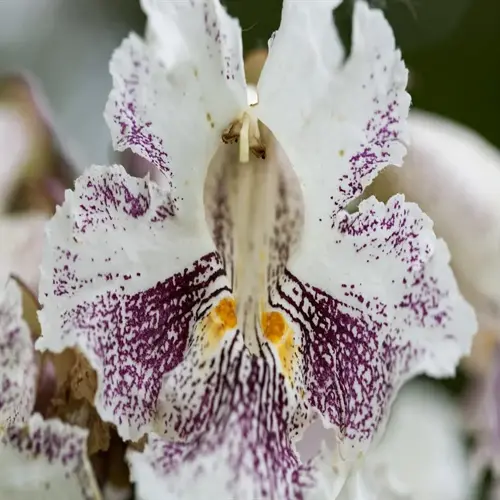
The short pawpaw shelf life is the core of the problem, but it is not the whole story. The trees are hard to grow at scale too. Flies and beetles do the pollinating, and they do a spotty job of it. Many flowers never set fruit at all. The dark red blooms give off a faint whiff of rotting meat to draw those bugs in. Growers cannot count on a full crop each year, so few plant large orchards.
Small orchards plus a fruit that spoils in days keep the numbers tiny. The total pawpaw availability you see in shops stays near zero. Chefs and cideries buy up much of the small crop before it hits a shelf. Extension sources call the market small but growing as more folks plant the trees. You may see the fruit show up more over the next ten years. For now, you have to know where to look.
- Farmers markets: Local sellers bring ripe fruit straight from the tree in late summer and early fall.
- Pawpaw festivals: Fall festivals across the eastern states sell fresh fruit, pulp, and even young trees.
- Local growers: Ask small orchards and orchard clubs near you, since the fruit rarely travels far.
- Plant your own: Set two trees in the yard for cross-pollination and pick your own fruit each fall.
- Freeze the pulp in bags right after harvest to keep the flavor for months.
Once you get a ripe pawpaw, eat it in a day or two or freeze the pulp fast. The flesh browns and sours fast, so you cannot wait long. Scoop it out, pass the seeds, and stash the pulp in the freezer for later. Blend the pulp into bread, ice cream, or a smoothie and you get that banana-mango taste all winter. That way one good haul lasts you well past the short season. The fruit stays scarce in stores, but a little effort puts it in your hands.
Read the full article: Pawpaw Tree: Complete Growing and Care Guide