
My neighbor leaned over the fence last spring and asked me a question. Why had his pawpaw flowered every April for six years but never set a single fruit? I asked how many trees he had planted. Just the one, he said, quite proud. A lone pawpaw cannot pollinate its own flowers, so every bloom opened, faded, and dropped. The number of pawpaw trees needed for a real crop is at least two, and you have to plant two separate trees.
So you plant two pawpaw trees for fruit, never just one. Each pawpaw flower holds both male and female parts, yet those parts ripen days apart on purpose. The flower sheds its pollen before the eggs are ready. That gap in timing stops a tree from fertilizing itself. Pollen from one plant has to reach the flowers of a second, unrelated plant. Only then will a single pawpaw swell on the branch.
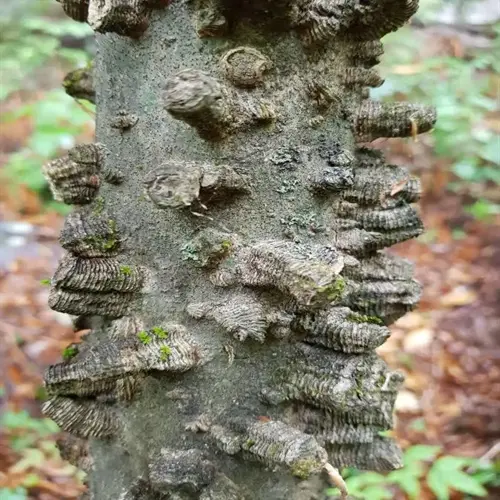
Here is the part that trips new growers. The pawpaw trees needed for cross-pollination must be two different plants, not root suckers pushed up by one parent. A pawpaw throws up clones around the base, and every clone carries the same genes. Two clones will not feed each other any pollen. You want two named cultivars, like Shenandoah and Sunflower. Or plant two seedlings grown from different parents, so the genes behind your two trees do not match.
The easiest mistake to make is grabbing two pots of the same cultivar because the two look identical and healthy. Two Shenandoahs are clones, so these plants share every gene and set no fruit together. Ask your nursery to write down the two names, or the two seed sources, before you pay. If a tree carries no name and no parent record, treat that plant as a gamble. You want proof that your two trees are strangers, not twins.
Good pawpaw tree spacing decides whether pollen ever makes the trip between your trees. The bugs that move pawpaw pollen are weak fliers, mostly small beetles and flies, and will not cross a wide-open lawn. Set two trees 8 to 15 feet (2.4 to 4.6 meters) apart for the best odds in your yard. Keep them within about 30 feet (9 meters) at the very most. Push them farther than that and your fruit set drops off fast. Measure the gap before you dig, not after.
Add a third tree whenever your yard has the room. Say your back corner runs about 12 feet (3.7 meters) across. Two different pawpaws at each end sit close enough for beetles to shuttle pollen back and forth. Drop a third tree in the middle and you tighten every gap between blooms. More trees also widen the bloom overlap, so a late flower on one still finds fresh pollen on another. Every added trip a beetle makes is one more shot at fruit for you.
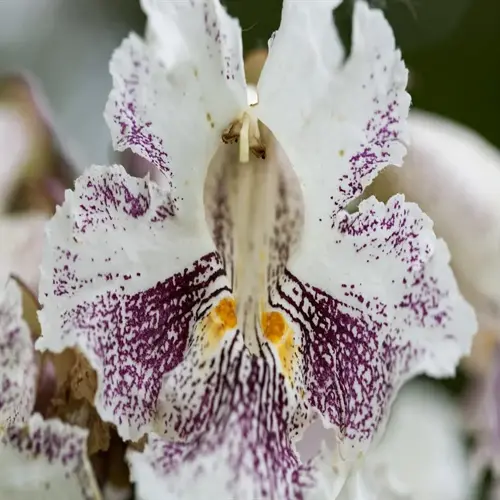
If your two trees end up far apart, or the fruit set still looks thin, take over the job yourself. Lift pollen from a fresh flower with a small soft brush, then dab it onto the dark maroon blooms on the other tree. My own two trees set three times the fruit the first year I brushed both by hand. Ten quiet minutes on a warm afternoon can load your branches with pawpaws by fall.
My neighbor went and planted a Sunflower beside his old tree that spring. Two autumns later he told me the trick had worked, and he was passing ripe pawpaws back over the fence to me by the bagful. One extra tree turned six empty years into a real harvest.
Read the full article: Pawpaw Tree: Complete Growing and Care Guide