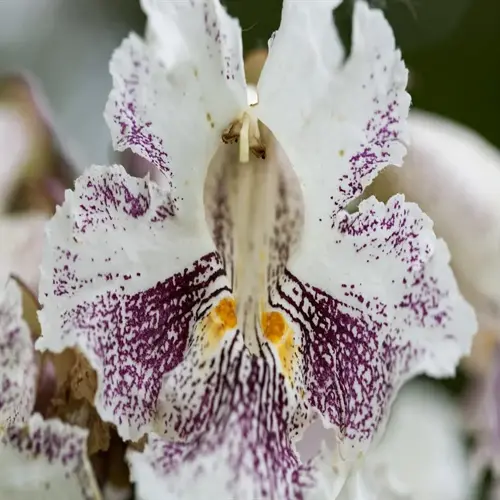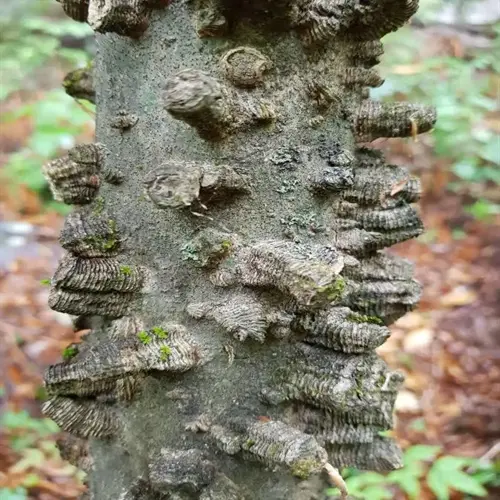

The two grafted pawpaws in the damp back corner of my yard have never met a bottle of spray. They still hang heavy with fruit each September. When I planted them I braced for a fight, since such an odd, tropical-looking fruit tree seemed sure to be fussy. It went the other way. The honest answer on pawpaw growing difficulty is short: no, these trees are not hard to grow once they take hold. A pawpaw is about the closest thing to an easy native fruit tree that you can put in the ground.
That pest-free run still surprises me. I keep waiting for aphids or borers to show up, and they never do. The trees just leaf out, flower, and set fruit on their own schedule. Pawpaws grow wild in the shade of eastern forests, so they carry a tough, low-fuss streak in their genes. Once the roots grab hold, a pawpaw asks less of you than almost any apple or peach tree ever will.
The real challenges are honest but small, and they all sit at the front end. Your young pawpaw seedlings scorch in full sun for their first year or two, so give them light shade while they settle in. The taproot grows long and brittle. A snapped root sets the tree back hard, so plant it deep and handle the roots with care. One tree on its own also cannot set fruit. You need a second tree from a different genetic line nearby, or the flowers open and drop with no fruit behind them.
Clear that first stretch and you get a tree that runs itself. Deer walk right past your pawpaws, and the pawpaw pest resistance here is close to unmatched among fruit trees. The leaves and bark hold natural compounds that most bugs refuse to touch, which is why the trees seldom need any spray. The National Park Service and NC State Extension both note that pawpaws have few serious pests and shrug off cold, as the numbers below show.
The reward is worth the short wait. A ripe pawpaw tastes like a blend of banana, mango, and vanilla custard, all in a soft fruit you scoop with a spoon. You will not find it in most stores, because the fruit bruises fast and does not ship well. Grow your own and you get a flavor almost no one else on your street has ever tried. Zebra swallowtail butterflies lay their eggs on the leaves, so a couple of trees feed pollinators and you at the same time.
Getting your own trees going takes just a handful of smart moves up front. Nail these and the pawpaws take it from there.
- Plant two: Buy two grafted cultivars rather than seedlings, so you get named fruit and reliable pollination from the start.
- Shade them: Screen young trees from harsh afternoon sun for the first year or two while their roots take hold.
- Keep moist: Give the soil even moisture all summer, since young pawpaws hate to dry out between waterings.
- Feed each spring: Add one light dose of balanced fertilizer each spring and skip any heavy feeding.
- Prune in winter: Trim a little in winter to shape the tree and cut out dead wood, then leave it alone.
So the real verdict on pawpaw growing difficulty comes down to a slow start, not a hard one. You watch over two young trees for a season or two, and after that they hand you sweet, custard-like fruit for decades with almost no work. Grafted cultivars often fruit in three to four years, so the wait is shorter than most people fear. Few fruit trees ask so little and give back so much.
Read the full article: Pawpaw Tree: Complete Growing and Care Guide