
Yes, pawpaw trees grow in the UK. The catch with growing pawpaws UK gardeners run into is not winter cold at all. This tree is tough. It comes from the cold-winter woods of eastern North America, and it survives down to about -15°F (-26°C). That is far below anything a British winter throws out. The real job is handing the fruit enough summer warmth to ripen before autumn ends.
Here is the climate logic in plain terms. A pawpaw in Britain meets winters it can shrug off with room to spare. The tree is hardy across USDA zones 5 to 8, which covers colder ground than most of England ever sees. So the plant lives and grows back year after year. What it needs on top of that is a warm summer and a long season. The fruit ripens from late August through October, but the weeks before that have to stay warm.
Where you plant inside the UK matters more than most people expect. A warm, sheltered, sunny spot in southern England gives you the best shot at ripe fruit. A south-facing wall that soaks up heat helps even more. Farther north, cool and short summers often leave the fruit green and hard when the cold comes back. The tree still lives up there. The fruit just runs out of time before it can soften and sweeten.
One more quirk helps in Britain. Young pawpaws want light shade for their first year or two, then full sun once they settle in. Give a new tree a bit of cover from the harshest midday sun at the start. After that, open it up to as much light and warmth as your plot allows.
This is where pawpaw cold hardiness works in your favour. You are not fighting to keep the tree alive through frost. You are just nudging it toward ripe fruit. That flips the whole task. Forget winter cover. Put your effort into heat and shelter through the warm months.
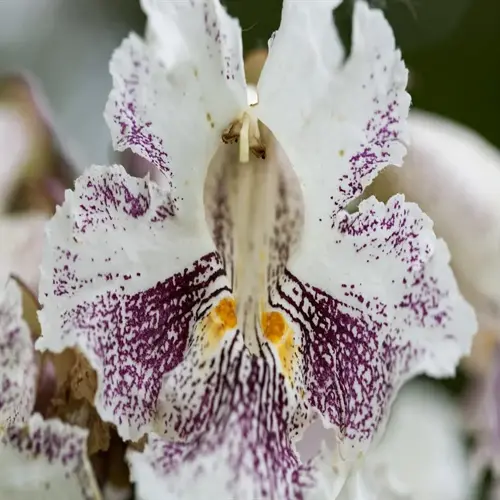
Two details decide whether you get fruit at all. First, a pawpaw cannot pollinate itself, so you need two trees that are not clones of each other. Second, the flowers draw flies and beetles rather than bees, and those insects are thin on the ground in Britain. That combination means a lone tree in a cool garden often flowers and then sets nothing.
The fix is simple and it works. Move pollen from one tree's flowers to the other with a small soft brush, the way you might dab paint. Do it on a warm day when the blooms are open. Picking a variety that ripens early helps too, since it hands the fruit a head start on the season.
- Plant two: Put in two genetically different trees so they can cross-pollinate, since a lone pawpaw seldom sets fruit.
- Pick the spot: Choose the warmest, most sheltered position you have, best placed against a sunny south-facing wall.
- Hand-pollinate: Move pollen between the flowers with a small soft brush, because the tree's natural pollinators are thin in Britain.
- Stay patient, since a grafted tree can fruit in as few as 3 years while seedlings take longer.
That is what growing pawpaws UK gardens come down to: summer heat and a sheltered spot. A grafted tree can carry its first fruit in as few as 3 years, while a seed-grown tree makes you wait five or more. The reward is a soft, custard-like fruit that tastes of banana and mango, grown in your own British garden. Plant two trees in the warmest corner you have, and let a good summer finish the job.
Read the full article: Pawpaw Tree: Complete Growing and Care Guide