
One October, I watched from the kitchen window as my Sunflower pawpaw bent low under heavy green fruit. Its branches hung over the damp back corner of my own yard. The next autumn the same tree stood almost bare. I noticed only a handful of fruit hidden in the leaves. That swing is the normal pattern. Established pawpaw trees do fruit most seasons once they mature. So pawpaw yearly fruiting is more the rule than the exception. What changes is the size of the crop, not whether fruit shows up at all.
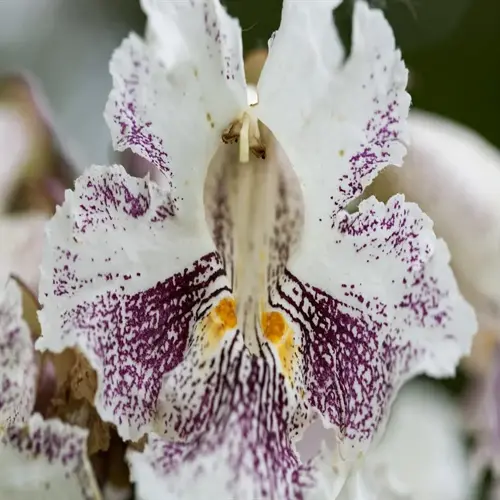
Pawpaws do not swing into a hard on-year, off-year cycle the way some apple and pecan trees do. The bigger reason for the change is pollination. Pawpaw fruit set depends on flies and beetles, not bees, and those insects turn up in different numbers each spring. The maroon flowers even give off a faint smell of rotting meat to pull in carrion flies. That trick works better in some springs than others. In a warm season with plenty of insects working the blooms, you get a heavy crop. In a cool, lean spring few of them visit and your tree sets far less fruit.
There is a reason two trees are often not enough. Each pawpaw flower opens its female part first and its pollen later. So a flower rarely sets seed on its own. Two trees of the same cultivar can even count as one plant for pollination, since they may be clones. This is why a single pair sometimes gives almost no fruit for years. The flowers open, but the pollen never reaches a matching partner at the right time.
Several things can cut one year's crop below the last. A late frost during the spring bloom can kill open flowers before they set fruit. A cold, wet spring keeps the pollinating insects low. Drought stress in summer makes your tree drop its young fruit to protect itself. A small planting of only two trees limits cross-pollination too, since a pawpaw cannot fertilize its own flowers. The National Park Service and NC State Extension both name weak pollination as the main cause of a light crop.
If your tree gives you nothing at all, the question of why pawpaw not fruiting comes down to one of three causes. The tree may be too young, since a seedling often needs five to eight years before it flowers. It may lack a pollen partner of a different cultivar nearby. Or a late frost may have wiped out this year's flowers during bloom. A grafted tree fruits sooner, often within three years, so age matters less if you started with one.
You cannot control the weather, but you can shift the odds in favor of a good crop. A few habits during the growing season make the difference between a bare tree and a bent one. Here is where to put your effort.
- Plant more cultivars: Grow at least three different named cultivars so your bloom times overlap and cross-pollination has a real chance.
- Hand-pollinate: Brush pollen from one tree's flowers onto another during bloom to raise fruit set in a slow insect spring.
- Water in summer: Soak your tree deep during dry spells so it holds its young fruit instead of dropping the load.
- Guard the flowers: Cover small trees on frost nights during bloom to shield the open blooms when a cold snap threatens.
None of this makes a pawpaw a heavy, steady producer like an apple tree. Pawpaw yearly fruiting is real, but the crop still rises and falls with the weather and the insects each spring. A small orchard of three or four cultivars, watered through summer, will give you fruit most years and a big haul in the best ones. That is the trade you make for growing a wild native fruit in your own yard.
Read the full article: Pawpaw Tree: Complete Growing and Care Guide