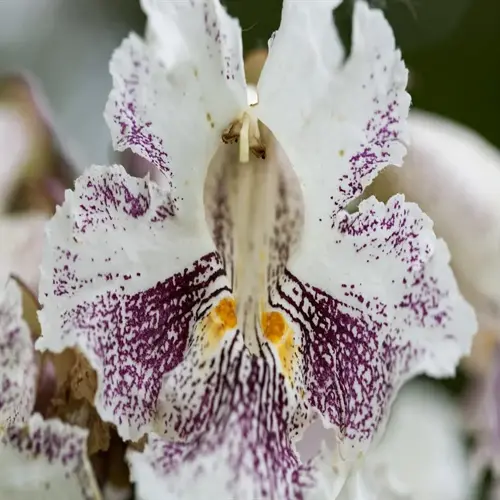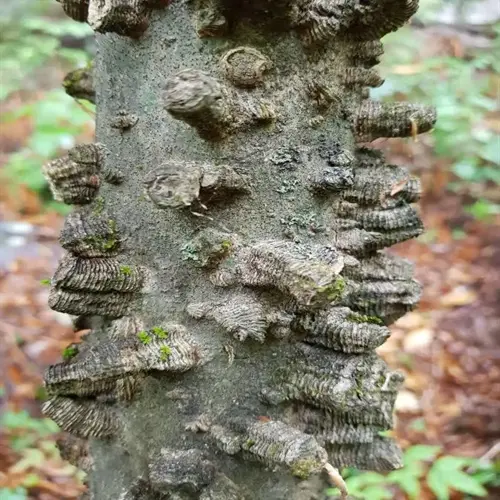

I bit into a pawpaw I picked too green, and my whole mouth went chalk-dry in a second. The flesh was starchy and harsh, more raw potato than fruit, so I spit it out. That Sunflower tree in my yard drops fruit by the dozen every fall. Four days later I ate one from the same batch, left on the counter until it gave under my thumb. The flesh had turned soft and spoonable, sweet as pudding. Same tree, same fruit, two worlds apart.
The ripe pawpaw fruit taste is sweet and tropical, a blend of banana, mango, and pineapple all at once. That soft flesh carries a pawpaw flavor closer to a dessert than to anything you forage from a tree. Most people who try a ripe one cannot believe it grew wild in North America.
The closest match on a grocery shelf is a very ripe banana mashed with mango pulp. Even that misses the vanilla and the silky body. Some people catch a note of cantaloupe, while others swear they taste apricot or a faint bubblegum sweetness. Your read depends a lot on the tree and how ripe the fruit gets. Two pawpaws off different trees can taste as different as two apple varieties.
Bite past that first burst of sweetness and the pawpaw fruit taste turns more layered. You pick up soft notes of vanilla, a faint citrus lift, and a hint of melon near the skin. The texture carries the other half of the story, silky and custard-like as it slides across your tongue. Researchers who study the fruit sum up the flavor the same way, banana and mango. Kentucky State University, a leader in pawpaw work, backs that up. The National Park Service and Penn State describe the same tropical profile.
- Soft custard flesh you can scoop with a spoon.
- Sweet tropical flavor of banana, mango, and pineapple.
- Gives under a gentle squeeze, like a ripe peach.
- Starchy, firm flesh that resists your spoon.
- A harsh, astringent bite that dries out your mouth.
- Feels hard and green, with no give at all.
Leave a soft pawpaw another day or two and the flavor deepens even more. The banana note fades as a deeper sweetness takes over. Think caramel and ripe mango, with a light funk close to overripe pineapple. The thin skin turns a little bitter, so most folks skip it and eat only the golden flesh. The large brown seeds are not for eating either, and you spit them out like watermelon seeds as you go.
You will not find this taste in a supermarket, and the texture is the reason. Ripe pawpaw is so soft it bruises in a day and turns to mush in transit. That short shelf life keeps it off store shelves. A farmers market, a foraging walk, or your own tree is the only way to taste one. The reward for the hunt is a pawpaw fruit taste no shipped fruit can match. Pick one up and eat it within a day or two of that first soft give.
Ripeness makes or breaks the whole thing. A pawpaw ready to eat gives under a gentle squeeze, the same way a ripe peach does. The skin may show a few brown freckles by then. Cut it in half and scoop the flesh with a spoon, working around the large seeds. As a custard texture fruit, the pawpaw tastes best soft all the way through, almost too soft to hold. Firm fruit stays starchy and will pucker your mouth the way my green one did.
Chill a ripe pawpaw for an hour before you eat it. The cold firms the flesh into a smoother, cleaner custard and tames the flavor if it feels too strong.
Eat your pawpaws at peak softness and you get the best of that sweet custard. If the fresh flavor hits stronger than you expected, blend the pulp into ice cream or quick bread. That is what I do with my extras every fall, and the cream and heat round the tropical punch into something worth craving. Give the fruit a few days on the counter, wait for that gentle give, and skip the green ones until they soften.
Read the full article: Pawpaw Tree: Complete Growing and Care Guide