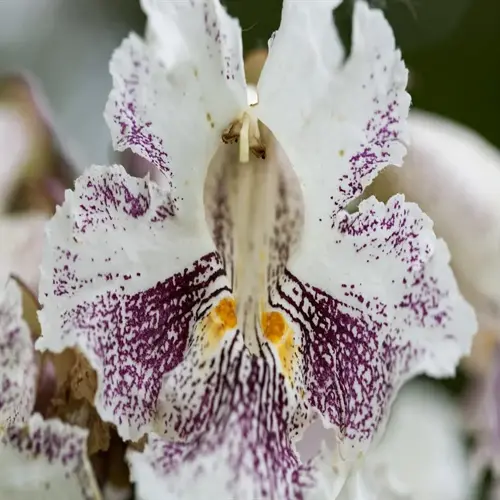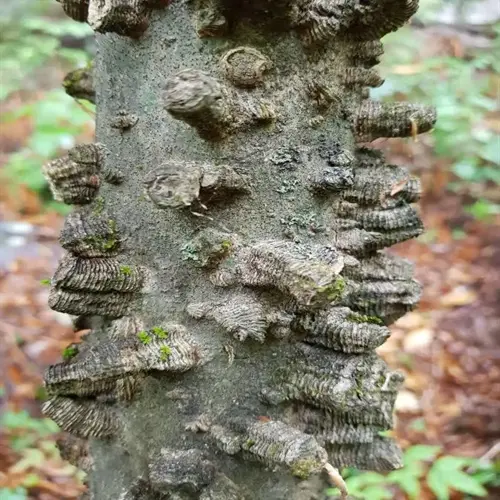

Pawpaw trees grow wild across 26 eastern states. The trees rise under bigger hardwoods, along rivers, and in shady low ground. You will not find pawpaw out in open, sunny fields. The pawpaw native range runs from northern Florida north to the Great Lakes. Want to know where pawpaws grow wild near you? Look to the shaded banks of creeks and the damp floor of a hardwood forest.
Pawpaw is an understory tree. You will find it happiest in the forest, not out in a field. Young shoots rise in the deep shade under oaks and maples, where the ground stays cool and moist. You seldom see the tree alone in a sunny pasture. Look for pawpaw in low, wet ground near streams and along the shaded slopes above a river. Give the roots rich, damp soil and your tree will settle in.
The tree is native to 26 states. You can trace the range from northern Florida up to the Great Lakes and southern Ontario, then west to eastern Nebraska. That is a wide band across the eastern half of the map. Most pawpaws are hardy in USDA zones 5 to 8, and some sources stretch that to zone 9. If you live in the East, pawpaw country sits close to you. So the tree handles both the warm, humid South and the colder Midwest winters.
Pawpaw is thriving in the wild right now, and the numbers back that up. In many mid-Atlantic forests run by the National Park Service, you will find pawpaw as the most common sapling on the forest floor. Deer walk right past the young trees and never touch the leaves. That deer resistance gives pawpaw seedlings a real head start over other plants. The University of Maryland Extension sees the same shift. The tree now moves into drier upland woods, far from the usual wet ground. You can watch this play out on many shaded forest floors.
This spread is a new turn for pawpaw. For a long time you found the tree in wet, low ground near water. Now young pawpaws climb into drier, higher woods where the soil is not as rich. The deer resistance is a big part of why. With fewer seedlings getting eaten down, pawpaw fills the gaps and forms thick patches under the canopy. You can see these dense stands on many wooded slopes.
The heart of the pawpaw native range sits in the Ohio and Mississippi River valleys, where rich soil and steady moisture suit the tree well. You also find strong wild stands through the Appalachian foothills and across the mid-Atlantic. Pawpaw thins out near the dry western edge around Nebraska and Kansas. Cold air sets the northern limit close to the Great Lakes. If you hike these regions, watch the shaded low ground and you will spot young pawpaws.
If you live inside zones 5 to 8, you have a good shot at growing pawpaw right in your own yard. Check the pawpaw growing zones against your local hardiness zone before you buy a tree. Then match your soil to what pawpaw loves. Aim for ground that stays moist and drains well, with a mild acidity in the pH range of 5.5 to 7.0. Poor drainage or bone-dry ground will slow your young tree down fast.
Young pawpaws need shade for the first year or two before taking full sun. Plant your saplings where taller plants give cover at first, then let the young trees reach the light as the season warms. Keep your soil damp through that first summer. Once the roots settle in, your pawpaw gets tough and asks far less of you.
The pawpaw native range covers the eastern United States. The tree reaches from Florida to the Great Lakes and west to Nebraska. Give pawpaw damp, shaded ground and the right soil pH, and your tree will settle in fast. That holds true whether you plant one on purpose or find a wild patch growing beside a creek near you.
Read the full article: Pawpaw Tree: Complete Growing and Care Guide