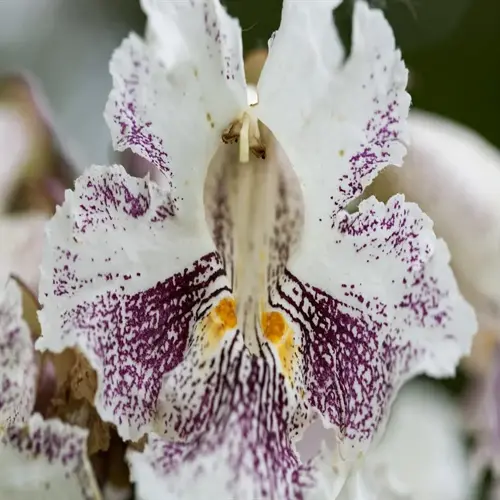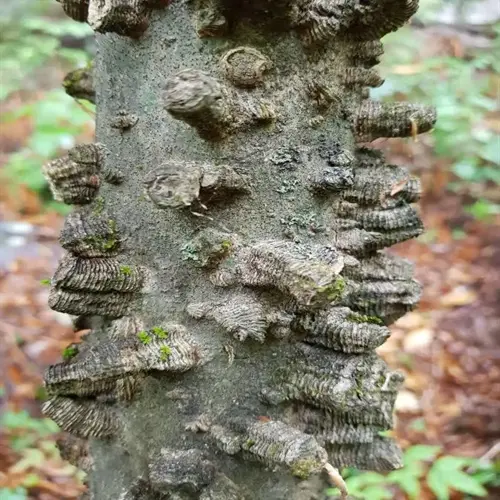

No, a pawpaw is not the same as a papaya. The two fruits share a nickname and little else. The whole pawpaw vs papaya mix-up started with names, not biology. Early European explorers gave us the confusion. They reached North America and found a soft, sweet fruit. It reminded them of the tropical papaya back home, so they used the same word. That loose naming stuck for centuries. You can still hear it trip people up at the market and in recipes today.
The main pawpaw and papaya difference shows up the moment you look at the plants. A pawpaw is a small tree called Asimina triloba. It belongs to the custard-apple family, Annonaceae. That family gives you the cherimoya and the soursop, not the papaya. The papaya is Carica papaya, and it sits in its own family, Caricaceae. So the two are not botanical relatives at all. They just grow fruit with a similar soft, custard-like feel inside.
Look past the names and the plants could not be more different. The pawpaw is a cold-hardy tree native to eastern North America. It survives winters that would kill a tropical plant. You can find it growing wild from the Gulf Coast up into Canada. The papaya is a fast-growing tropical plant that needs frost-free heat all year. One hard freeze will finish it off. The pawpaw is also the largest edible fruit native to North America, so its 3 to 6 inch fruit still beats a wild berry by far. Here is how the two stack up when you set them side by side.
Cut them open and you keep finding differences. Slice a papaya and you get a hollow center packed with round black seeds you scoop out. Slice a pawpaw and you find two rows of large brown seeds set in soft yellow flesh. Papaya skin turns from green to orange as it ripens. Pawpaw skin stays green and bruises fast. A ripe pawpaw gives a little when you press it, much like a soft peach. You eat it fresh with a spoon, since it will not hold up to shipping or long storage.
Keep the Asimina triloba vs Carica papaya split in mind when you read growing advice too. A guide written for one plant will steer you wrong for the other. Pawpaw seeds need a cold, damp winter before they will sprout for you. Papaya seeds want steady warmth instead. Plant them the same way and only one will come up. You can grow pawpaw outdoors across much of the eastern states. Papaya needs a warm greenhouse or a frost-free climate to fruit for you.
The shared name behind the whole pawpaw vs papaya question still causes real confusion when you shop. In Australia, parts of the Caribbean, and much of Africa, the word pawpaw means papaya, not the North American tree fruit. So a recipe that calls for pawpaw might want either one. If you see a tropical import, it is almost always papaya. If you find a soft green fruit at a fall farmers market in Ohio, that is the true pawpaw.
If a label or recipe just says pawpaw, check the botanical name. Asimina triloba is the North American tree fruit. Carica papaya is the tropical one.
So the short answer to pawpaw vs papaya holds for you. These are two separate plants from two separate families that got tangled up in one shared name. Taste them side by side and you will not confuse them again. The pawpaw is rich and banana-like, while the papaya is milder and more like melon.
Read the full article: Pawpaw Tree: Complete Growing and Care Guide