Houseplant · Moraceae
Fiddle-leaf Fig
Ficus lyrata
Give it bright indirect light and one steady spot, and the fiddle-leaf fig rewards you with bold, glossy leaves.
Bright indirect
USDA 10–12
2–10 ft · 0.6–3 m
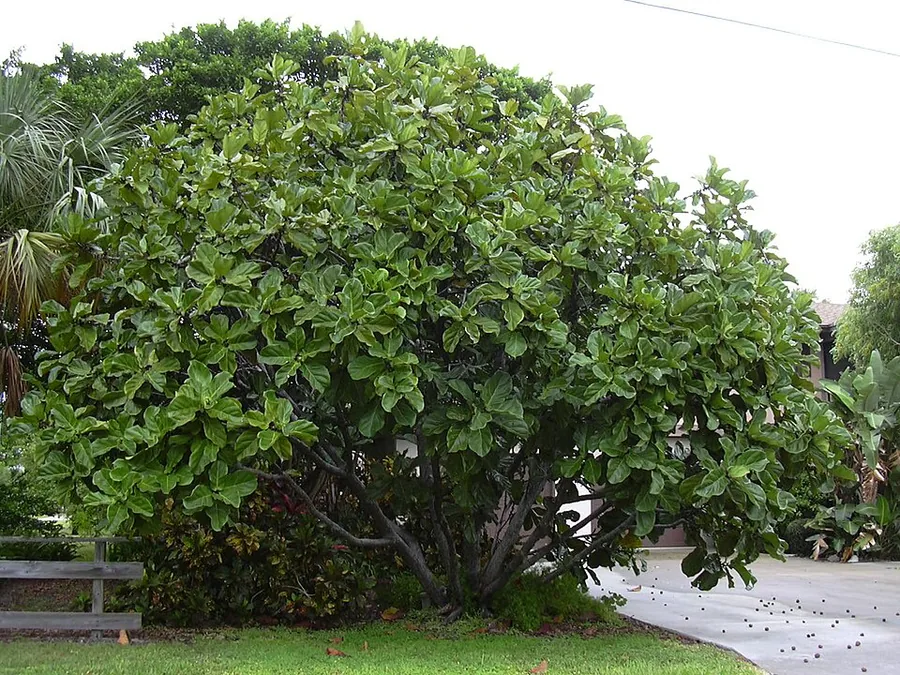
Overview
The fiddle-leaf fig has become the houseplant people reach for when they want a single bold statement in a room. It belongs to the fig family and comes from the tropical forests of western and west-central Africa, where it grows into a real tree. Indoors it stays a tall, upright specimen plant carrying broad, glossy, violin-shaped leaves.
Its reputation for being difficult runs ahead of the truth. The plant doesn't ask for much, but it does ask for consistency: the same bright corner, the same watering rhythm, no sudden moves or cold drafts. Get those right and it forgives the rest. Push it around the house or let the watering swing wildly and it answers with brown spots and dropped leaves.
Grown well, it climbs from a tabletop plant toward the ceiling over a few years, reaching 2 to 10 feet (60 cm to 3 m) indoors. The trade-off for that drama is the milky sap, which irritates skin and isn't safe for pets, so it earns a spot out of reach of cats, dogs, and children.
Care
The short version: bright indirect light, a steady watering routine that lets the top few centimeters dry out, fast-draining acidic potting mix, and one warm, draft-free spot the plant can settle into and stay.
Light
Give it bright indirect light, ideally near a window where the sun doesn't strike the leaves head-on. It tolerates part shade, but harsh direct afternoon sun scorches the foliage, so filter or pull it back from the hottest light.
Water
Water when the top few centimeters of soil dry out, checking with a finger about 2 inches deep. The plant resents both extremes, so never let the rootball go fully dry or pull away from the pot, and never leave it sitting wet. Ease off through fall and winter.
Soil
Plant it in a fast-draining, loamy, acidic potting mix that holds some moisture without staying soggy. Aim for a pH at or below 6.0, and always use a pot with drainage holes so water runs straight through.
Temperature
Keep it warm, above 55°F (12.8°C), and away from cold windows and drafts. Sudden temperature swings are a common reason leaves spot or drop, so a stable indoor spot suits it best.
Humidity
Average household humidity is enough, so there's no number to chase. Wiping the broad leaves now and then does more good than misting, since clean leaves take in light better.
Feeding
During spring and summer, feed it weekly with a diluted liquid fertilizer at a 3-1-2 (N-P-K) ratio, mixed into the watering. The extra nitrogen suits the plant's leafy growth. Stop feeding once growth slows for the year.
Pruning
The fiddle-leaf fig takes pruning well, so trim it to shape or hold its size whenever you need to. Wear gloves, because the milky sap that bleeds from cut stems irritates skin.
Repotting
Repot every 1 to 2 years once the plant outgrows its container, though it doesn't mind being a little potbound. Move up when you see roots creeping out the drainage holes or the soil drying out fast and pulling from the pot's edge.
Size & spacing
24–120 in (61–305 cm) tall
Troubleshooting
Most fiddle-leaf fig trouble shows up on the leaves, and most of it traces back to watering or a change in the plant's surroundings. Read the signs early and you can fix the cause before it spreads. Match what you see below, then act.
Brown spots spreading across the leaves
Brown spotting usually points to overwatering and root rot, not thirst. Cold drafts, a nearby heat vent, or watering that swings between soaked and bone dry can bring it on too. Check the soil and the roots first, move the plant away from drafts, and settle into a steady watering rhythm before you reach for the watering can again.
Fix:
- Let the soil dry appropriately and confirm the pot drains freely
- Move the plant away from drafts, vents, and cold windows
- Re-establish a consistent watering routine; trim rotted roots if root rot is present
Leaves dropping off the plant
A fiddle-leaf fig sheds leaves when something in its world changes. Inconsistent watering is the usual culprit, but cold drafts, a sudden temperature swing, or simply moving the plant to a new spot can trigger a drop. Pick one stable location and keep the watering even, and the plant settles down.
Fix:
- Keep watering consistent
- Avoid moving the plant once it is settled
- Protect from cold drafts and hot/dry air from vents
Sticky residue, webbing, or insects on the foliage
Indoor figs draw the usual sap-sucking pests: scale, aphids, mealybugs, thrips, and spider mites, the last of which love dusty leaves and dry indoor air. Turn the leaves over and look for bugs, fine webbing, or sticky honeydew. Wipe and rinse the foliage, treat with insecticidal soap or horticultural oil, and keep the plant apart from your others until the problem is under control.
Fix:
- Wipe leaves and rinse foliage
- Treat with insecticidal soap or horticultural oil as directed
- Isolate the plant until the infestation is controlled
Bleached, scorched patches on sun-facing leaves
Pale, burned patches mean leaf scorch from too much direct sun. The giveaway is that the damage lands on the side facing the window, worst after harsh afternoon light. Pull the plant back into bright indirect light or shield it from the hottest sun and the new growth comes in clean.
Fix:
- Move to bright indirect light
- Shield from direct afternoon sun
Big leaves looking dull and gray with dust
Those broad leaves are dust magnets, and a thick film blocks the light the plant needs and slows how it breathes. A dull, gray surface is the tell. Wipe the tops and undersides with a damp cloth and the leaves go glossy again.
Fix:
- Wipe the top and bottom of the leaves with a damp cloth or paper towel
Toxicity
This is not a plant to grow within reach of pets. Every part carries a milky sap loaded with the enzyme ficin, which irritates the mouth and gut of cats, dogs, and other animals and brings on drooling and vomiting if chewed. The sap stings human skin too, and no part is edible, so handle it with gloves and keep it away from animals and children.
Toxic to
Cats · Dogs · Horses · Rabbits · Livestock · Birds · People
Cats Toxic
A cat that chews a leaf gets a sore, irritated mouth, drools heavily, and often vomits soon after. The milky sap can also redden and inflame the skin on contact.
Dogs Toxic
Expect mouth and stomach irritation, a lot of drooling, and vomiting once a dog bites into the foliage. Sap on the muzzle or paws may leave the skin sore and inflamed.
Horses Toxic
The same ficin-laden latex irritates a horse's mouth and gut, bringing drooling and digestive upset. Keep the plant well out of reach.
Rabbits Toxic
Rabbits shouldn't nibble any part of this fig. The irritating sap upsets the mouth and digestion, so treat the whole plant as off-limits.
Livestock Toxic
Grazing animals such as goats and sheep can suffer mouth and stomach irritation from the latex. There's nothing on the plant worth the risk to them.
Birds Toxic
The caustic sap is unsafe for pet birds, which can react to even a small taste. Keep them clear of the leaves and any cut stems.
People Caution
No part is edible, and the milky sap can leave skin red, itchy, and irritated. Wear gloves when you prune or handle cut stems, and wash up afterward.
The milky sap (latex) can irritate skin; wear gloves when pruning or handling cut stems
Helpline numbers

United States
ASPCA Animal Poison Control: (888) 426-4435 (fee applies)
Poison Control: (800) 222-1222



Canada
Poison Centres: 1-844-764-7669
Varieties
Most fiddle-leaf figs sold are the plain species, but a few named selections turn up, mostly smaller or variegated forms. These are the ones worth knowing.
Bambino
A dwarf cultivar that stays far smaller than the species, which makes it the easy pick for a tabletop or a tight corner.
Compacta
Tops out around 5 feet with smaller leaves packed closer together, giving it a fuller, bushier look than the lanky species.
Little Sunshine
A compact, variegated selection prized for its small size and patterned foliage.
Variegata
Carries green-and-cream variegated leaves and rarely turns up in shops, so it's a find when you spot one.
How to propagate
You can grow a new fiddle-leaf fig from the plant you already have, and a stem cutting is the way to do it. The catch is patience and a pair of gloves.
Stem cuttingsModerate
Spring through summer during active growth · Roots over several weeks under warm, humid conditions
The reliable way to make more fiddle-leaf figs is from a stem cutting, taken in spring or summer while the plant is putting out new growth. Keep the cutting warm and humid and it sets roots over several weeks. Pull on gloves first, since the milky sap stings the skin.
Myths
Fiddle-leaf figs are nearly impossible houseplants to keep alive.
Their reputation runs ahead of the facts. The plant looks fussy, but steady light, careful watering, and one settled spot are most of the job. Give it those and it grows without much drama.
Brown spots on the leaves always mean the plant is thirsty.
More water is usually the wrong move. Brown spots come far more often from overwatering and root rot, or from cold drafts and temperature swings, than from a plant going dry. Check the soil moisture and the spot it's sitting in before you water again.