
Introduction
A privet hedge remains one of the best ways to create a thick, green wall around your yard without waiting years for results. The Ligustrum genus gives you roughly 50 species to choose from, and most of them grow 1 to 2 feet per year with almost no fuss. That kind of speed makes privet the go to hedging plant for homeowners who want screening on a budget.
I've grown privet hedges on 3 different properties over the past 15 years. Japanese privet on my coastal lot shot up 25 inches in a single season, which still amazes me. But that speed also taught me that picking the wrong species causes real trouble for your local ecosystem.
Privet works like a double edged sword in the garden. On one side you get a fast growing hedge that handles drought, shade, pollution, and poor soil across USDA Zones 3 through 10. On the other side, certain species spread seeds so fast they choke out native plants and end up on banned lists. This guide helps you pick the right varieties, plant them well, and keep your privacy hedge looking sharp for decades.
Below you will find our top 8 varieties ranked by safety and real world results. We also cover planting steps and a seasonal pruning calendar to keep things tidy. You will learn how to spot pests and diseases before they spread. No matter your climate or yard size, there is a privet that works for you.
8 Best Privet Hedge Varieties
Not all privet varieties belong in your yard. Some species grow fast and stay put, while others scatter millions of seeds and take over native woodlands. I've tested 6 of these 8 varieties on my own properties and watched how each one performs over full growing seasons.
Each variety below gets a clear verdict so you know what's safe to plant and what to skip. You will find zone data, mature size, and the best privet for hedging based on your goals. Newer non-invasive privet cultivars now give you safe options that older species can't match.
Each profile lists the Latin name so you can ask for the exact right plant at the nursery. Look for Ligustrum japonicum if you want a warm zone pick. Go with Ligustrum ovalifolium if your winters get cold.
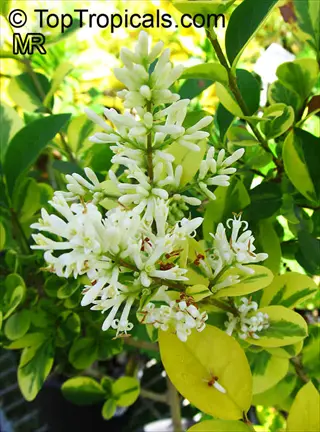
Japanese Privet (Ligustrum japonicum)
- Growth Rate: Japanese privet grows at an impressive 25 inches (63 centimeters) or more per year, making it one of the fastest-establishing hedge options available to gardeners.
- Mature Size: This variety reaches 10 feet (3 meters) tall and 5 to 6 feet (1.5 to 1.8 meters) wide when left untrimmed, but responds well to shaping at any height.
- Hardiness: Thrives in USDA Zones 7 through 10, performing best in warmer climates with mild winters and tolerating both full sun and partial shade.
- Foliage: Thick, glossy dark green leaves stay evergreen all year long, giving you a dense visual screen even during the coldest months.
- Invasive Status: Considered non-invasive in most regions, making it one of the safest choices for homeowners concerned about ecological impact.
- Best Use: Ideal for formal privacy hedges in southern and coastal gardens where year-round foliage and rapid screening are priorities.

California Privet (Ligustrum ovalifolium)
- Growth Rate: California privet puts on 1 to 2 feet (30 to 60 centimeters) per year at a consistent pace, filling in to create a solid hedge within two to three growing seasons.
- Mature Size: Reaches up to 15 feet (4.5 meters) tall when unclipped but most gardeners keep it as a hedge between 4 and 8 feet (1.2 and 2.4 meters) tall.
- Hardiness: Performs well in USDA Zones 5 through 8, tolerating cold winters better than many other privet species while handling summer heat.
- Foliage: Semi-evergreen with oval, medium-green leaves that stay on the plant through mild winters but may drop in prolonged freezes below 0 degrees Fahrenheit (-18 degrees Celsius).
- Invasive Status: Use with caution in some regions, as it can spread via bird-dispersed seeds, though it is less aggressive than Chinese or European privet.
- Best Use: A classic choice for formal suburban hedges, boundary plantings, and windbreaks where moderate cold hardiness is needed.
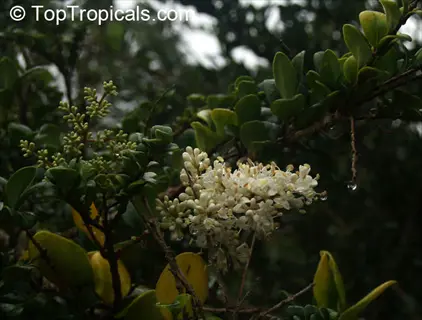
Golden Privet (Ligustrum ovalifolium Aureum)
- Growth Rate: Golden privet adds 1 to 2 feet (30 to 60 centimeters) each year, matching the pace of its parent species while bringing ornamental color to the garden.
- Mature Size: Reaches 8 to 12 feet (2.4 to 3.6 meters) tall when left to grow freely, and maintains a naturally bushy shape that responds well to trimming.
- Hardiness: Suitable for USDA Zones 5 through 8, tough against winter cold and performing best in spots with at least six hours of direct sunlight each day.
- Foliage: Striking yellow-and-green variegated leaves add color contrast to garden borders, with the brightest coloring appearing in full sun positions.
- Invasive Status: Similar caution level to standard California privet, as it can produce berries, though variegated forms tend to be slightly less vigorous seeders.
- Best Use: Perfect for adding color to mixed borders and brightening dark garden corners while still providing a functional privacy screen.
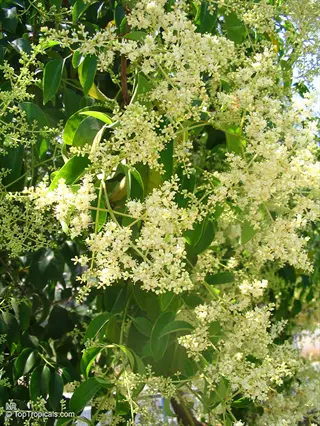
Waxleaf Privet (Ligustrum japonicum Texanum)
- Growth Rate: Waxleaf privet grows at a moderate 1 to 1.5 feet (30 to 45 centimeters) per year, forming a tight, compact hedge without excessive maintenance trimming.
- Mature Size: A compact variety that tops out at 6 to 9 feet (1.8 to 2.7 meters) tall and 4 to 6 feet (1.2 to 1.8 meters) wide, great for smaller garden spaces.
- Hardiness: Best suited for USDA Zones 7 through 11, excelling in warm southern and coastal climates with excellent heat and drought tolerance once established.
- Foliage: Thick, waxy, dark green leaves have a polished look and stay green throughout the year, even through mild frost conditions.
- Invasive Status: Non-invasive in most areas, as this cultivar produces fewer flowers and seeds than many other privet species when you keep it trimmed.
- Best Use: Excellent for smaller gardens, foundation plantings, and topiary work where a neat, manageable evergreen hedge is desired.
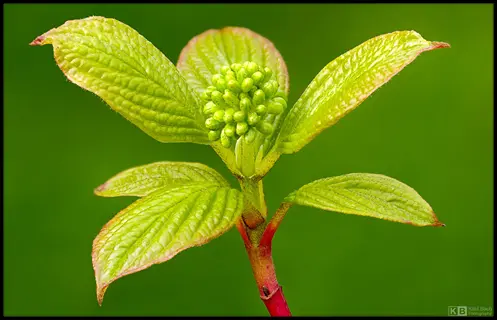
Amur Privet (Ligustrum amurense)
- Growth Rate: Amur privet grows at 1.5 to 2 feet (45 to 60 centimeters) each year, getting established fast even in regions with harsh winters and short growing seasons.
- Mature Size: Reaches 12 to 15 feet (3.6 to 4.5 meters) if left untrimmed, but is typically kept at 4 to 8 feet (1.2 to 2.4 meters) as a managed hedge.
- Hardiness: The most cold-tolerant privet species, thriving in USDA Zones 3 through 7, making it the go-to choice for northern gardeners in cold climates.
- Foliage: Deciduous in colder zones, dropping its leaves in autumn, though it may retain some foliage through mild winters in Zone 6 and warmer areas.
- Invasive Status: Moderate concern in some midwestern and northeastern states, so check local regulations before planting in areas with native woodland habitats nearby.
- Best Use: The top choice for cold-climate hedging in northern states and Canada where other privet species cannot survive winter temperatures.
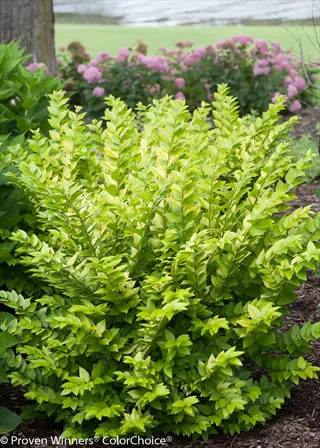
Golden Ticket Privet (Ligustrum x vicaryi)
- Growth Rate: Golden Ticket grows at about 1 to 1.5 feet (30 to 45 centimeters) per year, forming a dense, colorful hedge within two to three growing seasons.
- Mature Size: A compact variety reaching 4 to 6 feet (1.2 to 1.8 meters) tall and 3 to 4 feet (0.9 to 1.2 meters) wide, well-suited for smaller residential landscapes.
- Hardiness: Grows in USDA Zones 5 through 8, offering a good range of climate adaptability for most temperate regions across the United States.
- Foliage: Bright golden-yellow leaves maintain their vivid color throughout the growing season, creating an eye-catching hedge that stands out in any landscape.
- Invasive Status: Marketed as the first non-invasive privet, producing no viable seeds and posing no ecological risk to surrounding native plant communities.
- Best Use: Ideal for gardeners who want privet's fast growth and easy care without any invasive risk, especially in areas where other privet species are restricted.
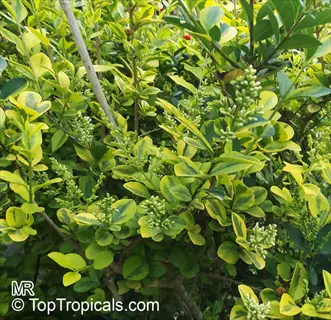
Sunshine Ligustrum (Ligustrum sinense Sunshine)
- Growth Rate: Sunshine Ligustrum grows at 1 to 2 feet (30 to 60 centimeters) per year, forming a vibrant low to medium hedge or border planting in short order.
- Mature Size: Compact at 3 to 6 feet (0.9 to 1.8 meters) tall and 3 to 4 feet (0.9 to 1.2 meters) wide, making it suitable for foundation beds and low borders.
- Hardiness: Thrives in USDA Zones 6 through 10, handling heat, humidity, and moderate cold with ease across a wide range of southern and coastal climates.
- Foliage: Brilliant chartreuse to golden foliage holds its color from spring through fall, adding a splash of brightness without the need for flowering plants.
- Invasive Status: A sterile cultivar that does not produce viable seeds, bred on purpose to solve the invasive problems tied to its parent species Chinese privet.
- Best Use: Works well as a low ornamental hedge, colorful border accent, or foundation planting where bright foliage and compact growth are the main priorities.

Cheyenne Privet (Ligustrum vulgare Cheyenne)
- Growth Rate: Cheyenne privet grows at 1 to 2 feet (30 to 60 centimeters) per year, forming a solid hedge fast in both temperate and colder climate zones.
- Mature Size: Reaches 8 to 12 feet (2.4 to 3.6 meters) tall with a spread of 6 to 8 feet (1.8 to 2.4 meters), providing substantial screening when mature.
- Hardiness: One of the hardier European privet selections, growing in USDA Zones 4 through 8 and withstanding bitter winter cold down to about -30 degrees Fahrenheit (-34 degrees Celsius).
- Foliage: Dark green, semi-evergreen leaves hold on later in autumn than most deciduous privet types and emerge early in spring, extending the screening season.
- Invasive Status: As a European privet cultivar, check local regulations carefully, since Ligustrum vulgare is banned from sale in Ohio and restricted in other states.
- Best Use: A solid option for cold-climate gardeners in the upper Midwest who need a tall, fast-growing hedge and are in regions where European privet is still permitted.
Your best bet for most yards is Japanese privet or Golden Ticket if you want fast results without invasive risk. California privet and golden privet still work great in many states. Just check your local plant lists before you buy. The newer sterile cultivars give you that classic privet look without the seed spread problems.
Planting Your Privet Hedge
Getting your privet hedge planting right from the start saves you years of trouble down the road. Think of it like building a living fence where the trench is your foundation and each plant is a fence post. I've planted over 200 bare-root privet shrubs across my properties. The ones I gave a proper start filled in twice as fast as the ones I rushed into the ground.
The key to learning how to plant privet is nailing the privet hedge spacing and trench prep before a single root hits the soil. You want well-drained soil mixed with compost in a planting trench that gives roots plenty of room to spread. Bare-root privet goes into the ground between November and March while the plants sleep through winter.
Choose the Right Time and Location
- Best Season: Plant bare-root privet between November and March while the plant is dormant, or plant container-grown privet at any time from spring through early fall.
- Sunlight Needs: Select a location that receives at least six hours of direct sunlight each day for the densest growth, though privet can handle partial shade.
- Soil Requirements: Privet grows in a wide range of soils with a pH between 6 and 8, but well-drained soil mixed with organic compost produces the best root systems.
Prepare the Planting Trench
- Trench Dimensions: Dig a trench that is 2 feet (60 centimeters) wide and 2 feet (60 centimeters) deep along the entire length of the planned hedge line.
- Soil Amendment: Mix the removed soil with generous amounts of organic compost or well-rotted manure to improve drainage and provide nutrients for the growing root systems.
- Drainage Check: Fill the trench with water before planting and ensure it drains within a few hours, as standing water causes root rot in privet.
Space and Position the Plants
- Standard Spacing: Place privet plants 9 to 12 inches (23 to 30 centimeters) apart for a dense formal hedge that fills in within two to three growing seasons.
- Double-Row Method: For an extra-thick hedge, plant two staggered rows in a zigzag pattern with 12 inches (30 centimeters) between rows and 18 inches (45 centimeters) between plants.
- Root Depth: Set each plant so the top of the root ball sits level with the soil surface around it, as planting too deep can smother the root crown and cause rot.
Water and Mulch After Planting
- Initial Watering: Water each new privet deep right after planting, soaking the entire root zone to settle the soil and remove air pockets.
- Mulch Application: Apply a 2 to 3 inch (5 to 7.5 centimeter) layer of organic mulch around the base of each plant, keeping the mulch a few inches away from the stems.
- Ongoing Moisture: Water new privet hedges on a regular basis for the first growing season, giving about 1 inch (2.5 centimeters) of water per week until roots take hold.
I always add a handful of bonemeal to each planting hole for an extra boost of root growth during that first season. The plants that got this treatment filled their gaps 3 to 4 months faster than the ones without it.
Pruning and Trimming Guide
Pruning privet hedge plants is a lot like giving a haircut. Light trims keep the shape neat, but sometimes you need a big chop to bring things back in line. I trim my hedges 3 to 4 times per growing season, and that regular attention is what keeps them thick from top to bottom.
Knowing when to prune privet matters just as much as knowing how. Landscape pro Roger Cook from This Old House says to prune before buds break so the plant puts its energy into new growth where you want it. Clemson research also shows that trimming privet hedge growth with a hedge trimmer removes flower buds, which means fewer berries and less seed spread.
The table below gives you a clear calendar for formal hedge shaping through every season. If you need hard pruning privet that got out of hand, follow the three year rule. Cut no more than one third of the thickest stems each year until the hedge fills back in.
One tip most guides miss is shaping your hedge wider at the base and narrower at the top. This tapered form lets sunlight reach the lower branches and stops those ugly bare legs that ruin the look of so many privet hedges.
Pests and Diseases
Most privet hedge problems show up as yellow leaves, brown spots, or patches of dying stems that seem to come out of nowhere. I've dealt with every issue on this list at some point during my years of growing privet hedges. The good news is that catching privet hedge diseases early makes treatment much simpler.
The list below covers the 5 most common privet hedge problems from the least severe to the most dangerous. Privet leaf spot and whitefly privet issues are easy to fix with quick action. Privet root rot and honey fungus privet infections are far more serious and can kill entire sections of your hedge if you don't act fast.
Cercospora Leaf Spot
- Symptoms: Dark brown or purple spots show up on leaves, often with a yellow ring around them, causing early leaf drop and thinning of the hedge over time.
- Cause: A fungal infection that loves warm, humid weather and spreads through water splashing from sick leaves onto healthy ones nearby.
- Treatment: Remove and destroy fallen infected leaves, improve air flow by thinning dense interior branches, and apply a copper fungicide if the infection gets severe.
- Prevention: Avoid overhead watering that wets the leaves, and prune on a schedule to keep good airflow through the hedge interior.
Botryosphaeria Dieback and Canker
- Symptoms: Single branches wilt and die back from the tips, with dark sunken cankers visible on the bark when you peel back the outer layer of affected stems.
- Cause: A fungal disease that gets in through pruning wounds, insect damage, or cracks from freeze damage during harsh winter weather.
- Treatment: Prune out all dead and cankered branches at least 6 inches (15 centimeters) below the visible damage, and clean your pruning tools between each cut.
- Prevention: Avoid pruning during wet weather, keep hedges strong with proper watering and feeding, and remove dead wood right away.
Root Rot (Phytophthora and Armillaria)
- Symptoms: Leaves turn yellow and wilt even though the soil is moist, whole sections of the hedge may fall apart, and mushrooms may pop up at the base with Armillaria.
- Cause: Soil that stays too wet creates the perfect home for these fungal pathogens that attack and destroy the root system below the surface.
- Treatment: Armillaria has no chemical cure and you must remove infected plants. You can manage Phytophthora with better drainage and the right fungicide soil drenches.
- Prevention: Make sure drainage is excellent before planting, don't overwater your hedge once it's set up, and never pile mulch right against the stem base.
Citrus Whitefly (Dialeurodes citri)
- Symptoms: Tiny white flying insects about 1/10 to 1/16 inch long swarm when you brush against the hedge, and a sticky honeydew residue coats the leaves.
- Cause: Whiteflies feed on the bottom sides of privet leaves, sucking plant sap and leaving honeydew that can lead to sooty mold growth on the leaves.
- Treatment: Spray the bottom sides of leaves with insecticidal soap or garden oil early in the morning when whiteflies are least active and most exposed.
- Prevention: Bring in natural predators like ladybugs and lacewings, and skip broad pesticides that kill the good bugs along with the bad ones.
Honey Fungus (Armillaria mellea)
- Symptoms: White fungal growth appears under the bark near the base of the plant, black threads spread through the soil, and honey colored mushrooms may pop up in fall.
- Cause: A soil fungus that spreads through direct root contact between plants and can live in the soil for years after an infected plant is gone.
- Treatment: There is no chemical fix for this disease. You must dig out infected plants and their root systems and remove all the soil around them from the site.
- Prevention: Keep your hedge strong with proper watering and feeding, remove dead stumps and roots from the planting area, and think about adding root barriers.
Invasive Privet and Alternatives
I learned the hard way that not all privet is safe to plant when invasive privet took over a wooded area behind my first home. One invasive privet tree can drop 100,000 to 10,000,000 seeds per year. Those seeds sprout at a rate of 70% to 95%. A 2020 study found that this privet invasive species cut native plant richness by 40% to 52% in forests it took over.
Chinese privet has been a listed noxious weed in Florida since 2014. European privet is banned from sale in Ohio as of 2023. Glossy privet is even banned in New Zealand and parts of Australia. If you live in privet banned states or want to play it safe, you have great options. Check the table below for a side by side look at each alternative to privet hedge you might want to try.
When I compare privet vs boxwood for clients, privet wins on speed but boxwood wins on zero invasive risk. Cherry laurel and holly give you a solid middle ground with fast growth and low risk. Pick a non-invasive privet cultivar or one of these alternatives. That way you won't face trouble if your state tightens its plant rules later.
Privet Hedge Landscaping Ideas
Privet landscaping goes far beyond a simple row of green shrubs along your property line. I've shaped privet into arches, screens, sculptures, and thick wind barriers on my own properties over the years. Privet handles pollution, salt, and coastal winds better than most plants. That makes it great for urban and seaside gardens where other hedges would fail.
The ideas below show you what's possible with a bit of planning and some regular trimming. Each design works best with certain privet varieties, and I've noted those tips in the details. A privet formal hedge gives your yard clean lines. But a privet hedge arch or privet topiary turns heads and sets your garden apart from the block.
Formal Privacy Screen
- Design Approach: Plant a single row of privet at 9 to 12 inch (23 to 30 centimeter) spacing and trim into a flat-topped box shape for a classic, tidy privet privacy screen along your border.
- Height Guide: Maintain the hedge at 5 to 8 feet (1.5 to 2.4 meters) tall for solid screening of garden areas, patios, and windows from the neighbors next door.
- Shaping Tip: Trim the hedge wider at the base and narrower at the top so sunlight reaches all leaves and the bottom of the hedge stays full and green.
Garden Arch and Walkway Frame
- Design Approach: Train two hedge sections over a metal or wooden arch frame to create a privet living wall tunnel or garden entrance that becomes a striking focal point in your yard.
- Training Method: Tie young stems to the arch support as they grow and prune side shoots to keep the privet hedge arch shape clean while the tops reach inward to meet.
- Timeline: A well-kept privet arch can start taking shape within 2 growing seasons and fills in to full cover within 3 to 4 years.
Windbreak and Noise Buffer
- Design Approach: Plant a double row staggered hedge using the zigzag method to create a thick privet windbreak that blocks wind, cuts street noise, and filters dust and pollution.
- Spacing: Position plants 18 inches (45 centimeters) apart within each row with 12 inches (30 centimeters) between the two rows for a solid, thick barrier.
- Best Species: Japanese privet and waxleaf privet work best for windbreaks because their dense evergreen leaves give you year round protection without seasonal gaps.
Topiary and Sculptural Shapes
- Design Approach: Use privet's dense branching to sculpt geometric shapes like spheres, cones, and spirals as garden art or boundary markers for a unique privet topiary display.
- Best Species: Waxleaf privet and Japanese privet work best for topiary because their small, tight leaves create smooth surfaces when trimmed to shape.
- Maintenance: Topiary shapes need trimming every 4 to 6 weeks during the growing season to keep crisp lines and stop the shape from losing its form.
5 Common Myths
Privet hedges are completely evergreen and will keep all their leaves through any winter without exception.
Most privet species are semi-evergreen, meaning they retain foliage in mild winters but can lose leaves during prolonged cold snaps below 0 degrees Fahrenheit (-18 degrees Celsius).
All privet species are invasive and should never be planted anywhere under any circumstances.
Only certain species like Chinese privet and European privet are classified as invasive, while Japanese privet and newer cultivars like Golden Ticket are considered non-invasive options.
Privet hedges need constant watering because they cannot survive dry conditions or tolerate drought at all.
Established privet hedges are quite drought tolerant, and overwatering can actually promote root rot diseases like Phytophthora that kill the plants.
You should only prune a privet hedge once a year to avoid stressing the plant and causing permanent damage.
Privet benefits from two to four trims per growing season, and regular pruning encourages denser growth rather than harming the plant.
Privet pollen is a well-documented major allergen that causes severe respiratory problems in most people who live nearby.
While privet flowers produce noticeable pollen, peer-reviewed research has found no confirmed clinical evidence linking privet pollen specifically to respiratory allergies.
Conclusion
A privet hedge gives you fast growth and versatility at a price most hedging plant options can't beat. Most privet grows 1 to 2 feet per year in USDA Zones 3 through 10. That means there is a privet option for nearly every yard. But your variety selection matters if you want to keep native plants safe.
You now have the full picture. You know the best privet varieties by zone and you have planting instructions to get them in the ground the right way. Your pruning calendar tells you what to cut and when. And your disease tools help you catch problems early before they kill sections of your hedge.
In my experience the smartest start is with a non-invasive privet like Japanese privet or Golden Ticket. Follow the seasonal care routine from this guide. Your hedge will serve you for decades without trouble. Non-invasive privet cultivars are the clear trend in responsible gardening right now.
Good privet hedge care is simple once you build the right habits. Grab 10 bare root plants this fall, follow our steps, and you'll see a strong living wall take shape by next summer. That's the power of choosing the right privet hedge from day one.
External Sources
Frequently Asked Questions
How quickly does a privet hedge grow?
Most privet species grow 1 to 2 feet (30 to 60 centimeters) per year, with Japanese privet reaching over 25 inches (63 centimeters) annually under ideal conditions.
What is a privet hedge?
A privet hedge is a dense boundary planting made from shrubs in the Ligustrum genus, valued for fast growth, tolerance of pollution and drought, and easy shaping.
What are common problems with privet hedges?
Common problems include leaf spot, root rot, honey fungus, whitefly infestations, and bare patches caused by insufficient light or improper pruning.
When should you not cut a privet hedge?
Avoid cutting privet during active bird nesting season (typically March through August) and during hard frosts or extreme heat.
Is privet toxic to pets?
Yes, all parts of the privet plant contain glycosides that are mildly toxic to dogs, cats, and horses if ingested.
Is privet hedging expensive?
Privet is one of the most affordable hedging options, with bare-root plants costing a few dollars each and mature container plants ranging from 26 to 68 dollars.
Is privet poisonous to humans?
Privet berries and leaves contain glycosides that can cause nausea, vomiting, and abdominal pain if consumed in quantity, though serious poisoning is rare.
What does a privet hedge look like in winter?
Most privet species are semi-evergreen, keeping some green leaves through mild winters but dropping foliage in colder climates or harsh freezes.
Will privet grow back if cut back?
Yes, privet is extremely resilient and will regrow vigorously after hard pruning, though full recovery may take one to three growing seasons.
Why is privet a problem?
Several privet species are classified as invasive, producing millions of seeds that spread via birds and forming dense thickets that displace native plants.