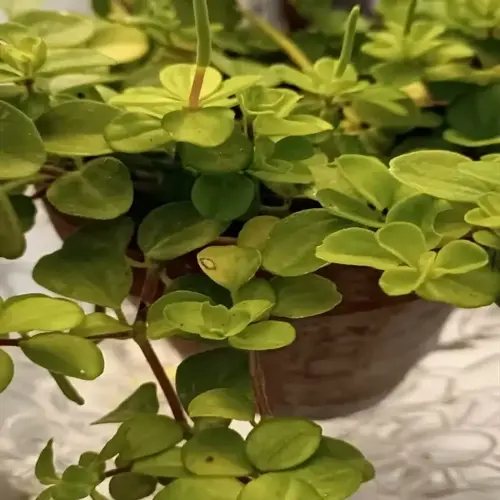

Your privet hedge in winter will look different depending on the species you planted. Most privet types are semi-green, holding some of their leaves through mild winters but dropping them when the cold gets severe. The species you pick at planting time decides how much green you see once the frost arrives.
I saw this contrast firsthand on a walk through my town last January. One house had a Japanese privet hedge that looked full, lush, and green as if summer never left. The house next door had California privet that had thinned out enough to see through in several spots. That side-by-side view showed me how big the gap in privet winter appearance can be between two species just one yard apart.
The reason some privet keeps its leaves comes down to where each species first grew. Types from warm places like Japan and southern China hold their foliage year round. They never needed to shed leaves for cold survival. Cold-hardy species like Amur privet drop all their leaves in autumn to protect themselves from deep freezes.
If you want an evergreen privet hedge that stays thick and green all year, pick Japanese privet or waxleaf privet. Both hold their glossy leaves in Zones 7 through 10 without any winter damage. You get a full privacy screen on the coldest day of January just like you do in the middle of July.
California privet falls in the middle. In a mild winter it keeps most of its leaves and looks a bit thin but still provides some screening. When a hard freeze hits, it may drop all its foliage and leave you with a row of bare stems until spring. I've seen California privet look fine through one winter and lose everything the next when temps dipped below 10°F (-12°C).
Amur privet trades its winter looks for cold hardiness. It survives temps as low as -40°F (-40°C). That makes it the only real option for gardeners in Zones 3 and 4. You lose the green screen from November through March, but the dense branch structure still blocks some wind and provides a framework that fills back in fast once spring hits.
In my experience, you can also help your semi-green privet hold more leaves by keeping it healthy through fall. Water it well in September and October so the plant enters dormancy in strong shape. A healthy plant holds onto its leaves longer than a stressed one. That extra fall care makes a visible difference when December rolls around.
Your best approach is to match your choice to your climate and your needs. Pick Japanese or waxleaf privet if you want an evergreen privet hedge with year-round green. Go with California privet if you live in a temperate zone and can accept some winter thinning. Choose Amur privet only if your winters are too harsh for the other types. The right species gives you the privet winter appearance that works best for your yard.
Read the full article: Privet Hedge: 8 Best Varieties and Care Guide