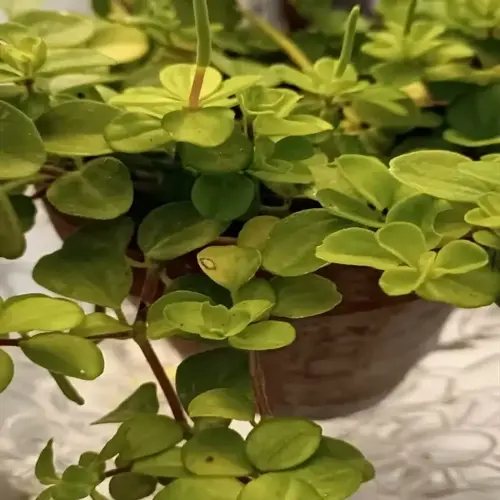

Yes, privet toxic to pets is a real concern for anyone who owns dogs, cats, or horses. All parts of the plant contain glycosides that cause harm. The risk level is mild to moderate, but you should take it serious if your animal eats any part of a privet hedge.
I first worried about this when I caught my neighbor's dog chewing on a pile of hedge clippings I left on the ground after trimming. The dog had grabbed a few small branches and was gnawing on the leaves. That moment made me realize how easy it is for pets to get into trouble with privet. Now I bag every scrap before the trimmings hit the ground.
With privet poisonous dogs and cats face a real threat from its chemistry. The plant holds ligustrin and other glycosides that irritate the stomach and gut lining. If your dog eats privet leaves or stems, you may see vomiting, nausea, diarrhea, and in worse cases a loss of coordination. Cats and horses show similar symptoms at about the same dose levels.
Berries carry the highest risk of all the plant parts. The small dark fruits look tempting to curious pets, and they pack a higher dose of toxins than the leaves. A dog that eats a handful of privet berries will get sicker than one that chews on a few leaves. Keep this in mind during fall and winter when the berries appear on untrimmed hedges.
Clean Up After Trimming
- Why it matters: Loose clippings on the ground are the easiest way for your pet to eat privet material without you noticing.
- What to do: Bag all trimmings right away and put them in a sealed bin that your pets can't reach.
- Extra tip: Rake the area under the hedge after each trim to catch any small pieces you missed.
Block Access to the Hedge
- For dogs: Install a low wire fence or garden border 6 to 12 inches (15 to 30 centimeters) from the hedge base to keep your dog away.
- For puppies: Young dogs chew on everything, so block access until they learn to leave the plants alone.
- For cats: Cats rarely eat privet, but outdoor cats may nibble leaves out of boredom or curiosity.
Know When to Call the Vet
- Mild signs: A small nibble may cause drooling or a single round of vomiting that passes on its own.
- Serious signs: Repeated vomiting, bloody stool, or trouble walking mean you should call your vet right away.
- Bring a sample: Take a piece of the plant with you to the vet so they can confirm what your pet ate.
In my experience, the best approach to privet hedge pet safety is prevention. If you have a young puppy or a dog that chews on plants, think about whether privet is the right choice for your yard. Pet-safe hedge options like boxwood or yew-free hollies can give you a dense screen without the worry. You can also keep your privet trimmed tight so it produces fewer berries.
The fact that privet toxic to pets is well proven means you should plan your yard with your animals in mind. A fence between your dog's play area and the hedge line works well. You can also train your dog to avoid the hedge with a simple boundary command and some treats as a reward for staying away.
If your pet does eat privet, don't panic. Contact your vet right away and describe what was eaten and how much. Most cases of privet toxicity in pets resolve with basic treatment within 24 to 48 hours. The key is to act fast and keep your vet informed so your animal gets the right care.
Read the full article: Privet Hedge: 8 Best Varieties and Care Guide