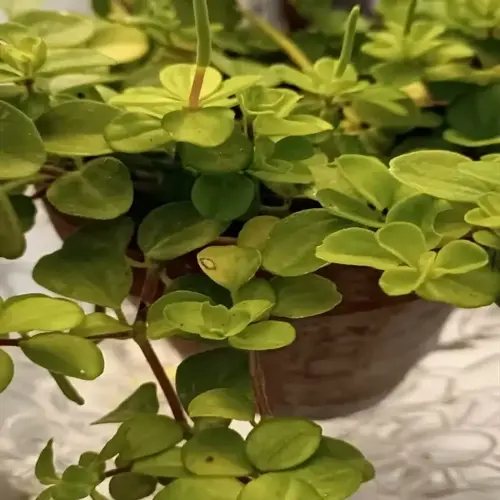

Yes, privet poisonous to humans is a confirmed fact. The berries and leaves contain glycosides that cause nausea, vomiting, and stomach pain if you eat them. Serious cases are rare in adults, but you should still know the risks before planting a privet hedge near your home.
I first thought about this risk when I noticed clusters of dark berries on an untrimmed privet hedge near a playground. Small kids were playing just a few feet away, and a couple of those berries had fallen on the ground. Any parent would worry about a toddler grabbing those shiny little fruits and putting them in their mouth.
The glycoside compounds in privet irritate your digestive tract on contact. Adults would need to eat a large amount of berries to get very sick. Children face a bigger threat because their smaller body weight means a handful of berries packs a stronger dose. Clemson Extension confirms that privet is mildly toxic. Reactions range from an upset stomach to more serious gut distress depending on the amount eaten.
The berries carry the most risk of all the plant parts. Privet berries toxic enough to cause symptoms grow in clusters of small dark blue-black fruits during fall and winter. The leaves can also cause problems if chewed, but you would have to eat quite a few to feel any effects. Most human cases involve young children who eat the berries out of curiosity while playing outside.
Here is the good news for your privet hedge safety plan. If you clip your hedge on a regular schedule, you remove most of the flower-bearing branches before they set fruit. A well-trimmed hedge makes far fewer berries than one that grows wild. Two or three trims per year should keep berry production close to zero in most cases.
Reduce Berry Production
- Trim timing: Clip your hedge in late spring before flowers open to stop most berries from forming in the first place.
- Trim frequency: Two to three trims per year keeps the hedge neat and cuts berry output by 90% or more.
- Fallen fruit: Rake up any berries that drop on the ground, since these attract the most attention from young children.
Teach Kids Plant Safety
- Simple rule: Tell your children never to eat any berry or fruit from a garden plant unless you say it's safe.
- Visual cues: Show them what privet berries look like so they can point them out instead of picking them up.
- Outdoor play: Watch young children near any hedge and guide them to play in areas clear of fallen berries.
What to Do If Someone Eats Privet
- Stay calm: Most cases cause only mild stomach upset that passes within a few hours on its own.
- Call for help: Contact poison control or your doctor if a child eats more than a couple of berries right away.
- Save a sample: Keep a piece of the plant or berry to show the doctor so they can confirm what was eaten.
In my experience, the easiest way to handle privet hedge safety is to keep your hedge trimmed tight and teach your kids the basics about plants. I trim mine three times a year and I haven't seen a single berry on it in over two seasons. That small effort gives me peace of mind every time the kids play in the yard.
Privet poisonous to humans remains a low-level risk when you manage it the right way. Trim before the flowers set, clean up any fallen fruit, and make sure everyone in your household knows not to eat parts of the hedge. These simple steps let you enjoy your privet hedge without any worry at all.
Read the full article: Privet Hedge: 8 Best Varieties and Care Guide