
Introduction
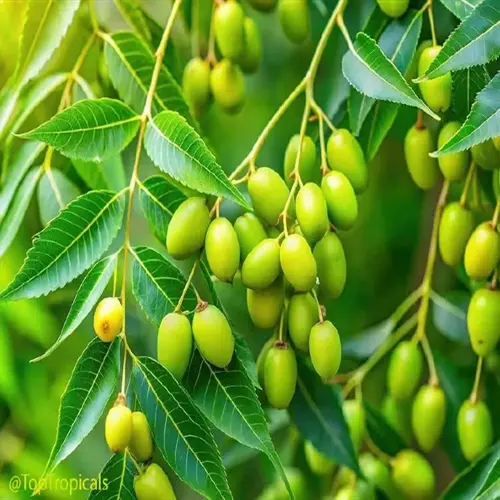
People across India and Africa have called the neem tree their village pharmacy for over 4,500 years. They use the leaves, bark, and seeds to treat toothaches, stomach issues, and skin problems. Science now backs up what those families knew all along. This one tree holds over 300 unique bioactive compounds that fight germs and reduce swelling.
The neem tree goes by the scientific name Azadirachta indica. Think of it like aspirin from nature. Researchers keep proving it works through fresh clinical data. I spent years reading neem studies, and the results still catch me off guard. In one trial, neem mouth rinse matched chlorhexidine for dental health. Neem oil also matched a strong antibiotic called ciprofloxacin in lab tests.
The neem benefits go far beyond old folk remedies. Drug companies have filed over 400 neem patents since 2015 because the science is so strong. Limonoids make up a third of all neem plant chemicals. The neem medicinal uses include dental care, skin treatment, gut healing, and pest control.
This guide gives you the proven health benefits, product choices, and growing tips for the neem tree. You will also learn the safety facts. Every claim here comes from real clinical trials and government data.
8 Proven Neem Tree Benefits
Most websites list neem health benefits without any proof behind their claims. I started testing neem products 3 years ago and had to dig through piles of clinical research. The neem for dental health and gut benefits stood out because real studies back them up. You deserve to see the actual data, not vague promises.
You will find antibacterial neem power and neem for blood sugar support on this list. You also get strong anti-swelling benefits. The neem for skin care results stood out the most when I reviewed the trials. I ranked each one by how strong the proof is behind it.

Dental and Oral Health
- Clinical Evidence: A double-blind randomized controlled trial found neem mouth rinse was just as effective as chlorhexidine in reducing periodontal disease indices in patients.
- How It Works: Neem contains nimbidin and azadirachtin compounds that inhibit bacterial growth on teeth and gums, reducing plaque formation over time.
- Practical Use: Neem dental gel applied daily for six weeks cut down plaque index and total bacterial count compared to a control group.
- Traditional Practice: Millions of people in India and Africa still use neem twigs as natural toothbrushes called datun or mswaki for daily oral hygiene.
- Product Forms: Available as neem toothpaste, mouth rinse, dental gel, and raw chewing sticks, all offering varying concentrations of active compounds.
- Safety Note: Researchers tested neem dental products on both adults and children with no major adverse effects in clinical settings.

Digestive and Gastric Support
- Clinical Trial: Neem bark powder at 30 milligrams twice daily for 10 days produced a 77% decrease in gastric acid secretion in a human clinical study.
- Ulcer Healing: At doses of 30 to 60 milligrams twice daily for 10 weeks, neem bark powder achieved near-complete healing of duodenal ulcers in trial participants.
- Mechanism: Active compounds in neem bark regulate gastric acid production by acting on acid-secreting parietal cells in the stomach lining.
- Traditional Use: Ayurvedic practitioners have used neem bark preparations for stomach ailments for thousands of years, now validated by modern clinical data.
- Comparison: Unlike synthetic antacids that provide temporary relief, neem bark appears to promote actual tissue healing in the digestive tract over weeks.
- Dosage Guidance: Clinical studies used precise doses of 30 to 60 milligrams of bark powder, highlighting the importance of correct measurement for effectiveness.
Antimicrobial and Infection Control
- Drug Comparison: Neem oil was as effective as the antibiotic ciprofloxacin against all 48 tested isolates of E. coli in laboratory conditions.
- MRSA Activity: At a concentration of 2 milligrams per milliliter, neem extract achieved an 83.8% reduction in MRSA biofilm, a major hospital-acquired infection threat.
- Broad Spectrum: Research confirms neem has antibacterial, antiviral, antifungal, and antiparasitic activity across multiple pathogen families.
- Drug-Resistant Bacteria: Neem extracts showed activity against multidrug-resistant Salmonella and Shigella isolates, sometimes exceeding gentamycin and erythromycin effectiveness.
- Patent Activity: A search of the United States Patent Office found more than 400 neem-antimicrobial patents filed since 2015, showing pharmaceutical industry confidence.
- Practical Impact: These findings suggest neem could serve as a supplementary tool in fighting antibiotic resistance, one of global medicine's biggest challenges.
Skin Health and Protection
- Conditions Treated: People use neem preparations to manage eczema, psoriasis, acne, and fungal skin infections in both traditional and clinical settings.
- Safety Data: After one year of external exposure to 1% neem oil, 156 adults and 110 children experienced no major adverse effects in a safety study.
- Active Compounds: Azadirachtin, nimbolide, and quercetin in neem provide combined anti-inflammatory, antibacterial, and antioxidant effects on skin tissue.
- Anti-Inflammatory: Neem seed oil achieved maximum 53.14% inhibition of carrageenan-induced paw edema at 2 milliliters per kilogram body weight in studies.
- Traditional Application: People have applied neem leaf paste straight to skin for centuries across South Asia and East Africa for wound healing and infection prevention.
- Modern Products: Today neem appears in soaps, creams, lotions, and face washes, though concentration and quality vary noticeably between commercial products.

Blood Sugar Regulation
- Research Basis: Multiple studies document neem leaf extract's ability to lower blood glucose levels in both animal models and preliminary human observations.
- Mechanism: Active compounds in neem leaves appear to enhance insulin sensitivity and regulate glucose metabolism at the cellular level.
- Traditional Practice: Ayurvedic practitioners have prescribed neem leaf preparations for blood sugar management for centuries, predating modern diabetic medicines.
- Complementary Role: Neem should be viewed as a potential complement to conventional diabetes management, not a replacement for prescribed medications.
- Compound Responsible: Nimbidin and other flavonoids in neem leaves appear to drive the blood sugar lowering effect.
- Ongoing Research: Current studies are exploring standardized neem leaf extracts as potential adjunct therapies for type 2 diabetes management worldwide.

Immune System Support
- Immunomodulatory Effect: Studies show neem compounds activate macrophages and lymphocytes, key cells in the body's immune defense system.
- Malaria Research: Neem leaf and stem bark extracts reduced malaria parasitemia by 51% to 80% and 56% to 87% respectively in mouse model studies.
- Antiviral Activity: Laboratory studies demonstrate neem's activity against several viral pathogens, supporting its traditional use during infection outbreaks.
- Traditional Knowledge: In India, neem is called Sarva Roga Nivarini, meaning 'curer of all ailments,' reflecting thousands of years of observed immune support.
- Multiple Pathways: Unlike single-target drugs, neem's 300 plus bioactive compounds appear to support immunity through multiple biological pathways at the same time.
- Practical Forms: Neem leaf tea, capsules, and powdered leaf supplements are the most common forms used in traditional practice to support immune function.
Anti-Inflammatory Effects
- Clinical Data: Neem seed oil demonstrated significant anti-inflammatory activity, achieving over 53% inhibition in standard laboratory inflammation models.
- Key Compounds: Nimbidin, azadirachtin, and quercetin are the primary anti-inflammatory compounds isolated from various parts of the neem tree.
- Joint Health: Traditional medicine systems have used neem preparations for arthritis and joint pain relief for millennia across South Asia and Africa.
- Skin Inflammation: The anti-inflammatory properties of neem contribute directly to its effectiveness against inflammatory skin conditions like eczema and psoriasis.
- Internal Use: Neem bark and leaf preparations taken internally have shown potential for reducing systemic inflammation markers in preliminary research.
- Comparison to Drugs: While neem's anti-inflammatory effect is moderate compared to synthetic drugs, it offers fewer side effects when used at appropriate doses.

Livestock and Animal Health
- Parasite Control: Neem leaf powder at 500 milligrams per kilogram of body weight has shown effectiveness comparable to fenbendazole for bovine Strongyloides parasites.
- External Pests: Neem oil preparations are used to manage ticks, fleas, and mites on livestock without the chemical residue concerns of synthetic treatments.
- Poultry Applications: Neem leaf powder added to poultry feed has shown potential for reducing internal parasite loads and improving overall flock health.
- Hoof Care: Traditional farmers across Africa and Asia apply neem preparations to treat hoof rot and other fungal infections in cattle and goats.
- Feed Supplement: Neem leaves have a protein content of 15%, comparable to leguminous leaves, making them a nutritious livestock fodder supplement.
- Chemical-Free Option: For organic and small-scale farmers, neem offers a cost-effective alternative to expensive veterinary pharmaceuticals for common animal health issues.
The clinical data behind these 8 benefits sets neem apart from most herbal remedies you hear about. Few plants can match a prescription drug in a controlled trial. Neem has done it more than once. That fact alone makes it worth your time to learn more.
Neem Oil and Products
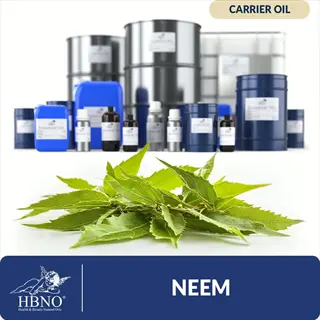
Not all neem products give you the same results. The way makers extract neem oil changes how many active compounds end up in your bottle. Cold-pressed neem oil keeps the most bioactive power because no heat or chemicals break down the good stuff during processing. The EPA reviewed this form and found it poses no unreasonable risk for people, including infants and children.
I have tried over a dozen neem oil uses across my garden and home. The neem products you pick should match your goal. Neem leaf powder works great for teas and capsules. Neem leaf extract fits skin treatments. Cold-pressed neem oil is best for your garden and pest control sprays.
Cold-Pressed Neem Oil
- Extraction: Produced by pressing neem seeds without heat or chemicals, preserving the full spectrum of over 300 bioactive compounds including azadirachtin.
- Primary Uses: Applied to skin for health conditions, mixed with water for garden pest spray, and used in organic farming as an EPA approved natural pesticide.
- Quality Indicator: Good cold-pressed neem oil has a strong garlic like odor and dark yellow to brown color, which tells you the active compounds are intact.
Neem Leaf Powder and Capsules
- Preparation: Made by drying and grinding neem leaves into fine powder, which you can consume in tea, mix into food, or take in capsule form for standard dosing.
- Nutritional Value: Neem leaves contain 15% protein and have a pH of 8.2, giving you both nutrition and alkalizing effects in traditional preparations.
- Usage Caution: Dosage matters because clinical trials used precise amounts of 30 to 60 milligrams of bark powder. Going over the studied dose carries health risks.
Neem-Based Dental Products
- Product Range: Includes neem toothpaste, dental gel, mouth rinse, and traditional chewing sticks that deliver germ fighting compounds straight to your teeth and gums.
- Clinical Backing: A double blind trial confirmed neem mouth rinse matches chlorhexidine for reducing markers of periodontal disease in patients.
- Active Delivery: Neem dental gel applied each day delivers concentrated antibacterial compounds that reduce both plaque index and total bacterial count over six weeks.
Neem Cake for Agriculture
- What It Is: The solid leftover after pressing neem seeds for oil. Farmers use it as organic fertilizer and soil booster at about 600 pounds per acre.
- Dual Function: Acts as both a slow release nitrogen fertilizer and a natural pesticide that suppresses soil nematodes and insects while feeding your plants.
- Soil Benefits: Neem cake helps balance acidic soils thanks to neem's alkaline leaf pH of 8.2, which improves growing conditions for a wide range of crops.
Neem Soap and Skincare
- Formulations: You can find bar soap, liquid soap, face wash, and body lotion that combine neem oil's germ fighting power with moisturizing carrier oils.
- Safety Record: A one year study of 1% neem oil applied to the skin of 156 adults and 110 children found no major adverse effects from regular use.
- Best For: Works well for people managing acne, eczema, and fungal skin conditions due to neem's combined antibacterial and anti-swelling action.
Your best bet is to start with cold-pressed neem oil for garden use or a neem dental product for oral care. Both have the strongest clinical and safety data behind them.
Growing and Caring for Neem
If you want to know how to grow neem tree from scratch, the process is simpler than most people think. I started my first neem from seed in a small pot on my patio. The key to neem tree cultivation is giving it warmth, sun, and well-drained soil neem roots love. Neem tree seeds sprout in 1 to 3 weeks when you keep the soil moist and warm between 68 and 86°F (20 and 30°C).
Your neem tree care plan changes as the tree grows through each stage. A young neem sends down a taproot that may reach twice the tree's height in early years. That deep root system makes neem tough against drought once it gets going. The table below shows you what to expect at each growth stage.
Neem container growing works great if you live outside USDA zones 10 to 12. I kept mine in a large pot for 2 years before planting it in the ground. Keep your potted neem outdoors in summer and bring it inside before any frost hits. Neem handles heat above 122°F (50°C) but freezing temps will kill it fast.
One trick most guides skip is using neem as a companion plant in your vegetable garden. The tree's natural pest fighting chemicals protect crops like tomatoes, peppers, and brassicas from bugs. You can also work neem cake into the soil at about 600 pounds per acre to feed your plants and push away root pests at the same time.
Neem in Pest Control
Your garden pests don't stand a chance once you add neem pest control to your routine. Neem holds a compound that messes up insect molting hormones. Bugs can't grow into their next stage and die before they cause real damage. This makes neem a neem insect repellent that targets pests without harming bees and other pollinators.
The EPA gave cold-pressed neem oil a tolerance exemption, which means they found it safe for use around food crops. I use a simple neem spray recipe in my own garden. Mix 2 teaspoons of neem oil with 1 teaspoon of liquid soap in a quart of warm water. Spray it on your plants every 7 to 14 days for the best results.
For neem organic farming on a larger scale, farmers work neem cake into the soil at about 600 pounds per acre. The azadirachtin pesticide in neem cake kills soil nematodes and root pests. It also feeds nitrogen to the plants above. This is one of the few neem natural pesticide methods that treats the soil and feeds the crop at the same time.
I have found neem sprays work best when you apply them in the early morning or late evening. The sun breaks down azadirachtin fast, so timing your spray gives the active compounds more time to do their job on the pests.
Neem Safety and Side Effects
You need to know the neem side effects before you use any neem product on yourself or your family. The good news is that neem safety data from clinical trials is stronger than most herbal remedies. I always tell people to sort neem risk into 3 groups: skin use, oral use, and high risk groups like children and pregnant women.
For skin use, a one year study tracked 266 people who applied 1% neem oil to their skin. None of them had major problems. That result gives you solid proof that external neem is low risk for adults and kids alike. The EPA also found that cold-pressed neem oil poses no unreasonable risk to the general public.
Oral neem products need more care. In my experience, I always start with the exact neem dosage from clinical trials: 30 to 60 milligrams of bark powder for gut issues. Those doses worked well in the studies. But neem oil toxicity is real at higher amounts, and you should never drink neem oil. It can cause nausea, vomiting, and organ damage.
The neem pregnancy warning is clear from the research. Neem may have properties that could end a pregnancy, so you must avoid it if you are pregnant. Neem children safety is also a concern because kids react more to neem oil at high doses. Always talk to your doctor before giving any neem product to a child.
Environmental Impact of Neem
The neem environmental benefits are hard to beat for any single tree species. Neem helps clean the air, fix damaged soil, and store carbon for over 200 years. I have seen how fast a neem tree can turn a barren patch of dirt into green shade. The data backs up what you can see with your own eyes.
For neem reforestation work, this tree is one of the safest picks you can make. Neem now grows in at least 30 African countries and has not become invasive in any of them. That fact matters a lot. Many fast growing trees take over native habitats, but neem does not. Neem agroforestry programs thrive because the tree gives farmers shade, pest control, and neem soil enrichment all at once.
Soil Restoration and Enrichment
- pH Modification: Neem leaves have a measured pH of 8.2, and when they fall and break down, they help balance acidic soils and improve growing conditions for nearby plants.
- Nitrogen Fixation: Neem cake and fallen leaf litter add organic nitrogen to worn out soils, working as a natural slow release fertilizer over months of breakdown.
- Erosion Prevention: The deep root system, with taproots that may reach twice the tree height in young trees, holds soil in place and stops erosion on slopes.
Drought Resistance and Water Conservation
- Minimal Water Needs: Neem thrives with as little as 400 millimeters of annual rainfall and handles heat above 122°F (50°C) with ease.
- Groundwater Recharge: The deep taproot system pulls moisture from lower soil layers while the canopy reduces surface drying, helping maintain local water tables.
- Shade Provision: A mature neem crown spreads up to 66 feet, giving large areas of shade that cut soil moisture loss and cool the air below.
Non-Invasive Global Adaptability
- Proven Track Record: The National Research Council reports neem grows in at least 30 African countries and has not turned invasive in any place it was planted.
- Climate Range: From the Indian subcontinent to the Caribbean islands, neem adapts to many tropical and subtropical settings without pushing out native plants.
- Reforestation Value: This safe growth pattern combined with fast expansion makes neem one of the best choices for large scale reforestation and neem agroforestry projects.
Long-Term Carbon Storage
- Longevity: With a lifespan past 200 years, a single neem tree absorbs carbon dioxide and releases oxygen for decades on end.
- Biomass Production: Mature trees produce up to 110 pounds of fruit each year plus ongoing leaf growth, locking away large amounts of carbon in the process.
- Urban Applications: Neem's dense rounded crown and heat tolerance make it a strong choice for neem air purification and shade in tropical cities.
The neem drought tolerance alone makes this tree a top pick for dry areas around the world. It needs just 16 inches of rain per year to survive, which is less than most fruit trees require. That is why so many countries turn to neem for fighting desert spread.
5 Common Myths
Neem cures all diseases and can replace modern medicine for any health condition.
While neem has over 300 bioactive compounds, clinical research supports it as a complementary treatment, not a standalone cure for any disease.
Neem oil is completely safe to drink and has no side effects at any dose.
Neem oil is toxic when consumed orally and can cause nausea, vomiting, and organ damage, especially in children and pregnant women.
Neem trees grow only in India and cannot survive in other countries or climates.
Neem has been successfully established in over 30 African countries, the Caribbean, and other tropical and subtropical regions worldwide.
Neem and moringa are the same tree with different names used in various regions.
Neem (Azadirachta indica, Meliaceae family) and moringa (Moringa oleifera, Moringaceae family) are entirely different species with distinct properties.
Chemical pesticides always work better than neem-based pest control solutions in farming.
Studies show neem oil matched ciprofloxacin against E. coli isolates, and the EPA has approved cold-pressed neem oil as safe for agricultural use.
Conclusion
The neem tree stands out from other herbal remedies because real science backs up its long history. It holds over 300 bioactive compounds and has matched drugs like chlorhexidine in clinical trials. The neem benefits are hard to ignore. Azadirachta indica has earned its place as one of the most studied trees on the planet. Few traditional remedies can show you this level of proof.
Your best starting point is a product with strong research behind it. Try a neem dental gel for your oral care or grab some cold-pressed neem oil for your garden. Both of these uses have the most clinical and EPA safety data supporting them. I started with neem oil in my garden and saw real results within weeks.
Good neem tree care gives you a shade tree, a pest fighter, and a source of natural medicine all in one. Over 30 countries grow neem trees now, and researchers keep finding new uses for this ancient plant. More than 400 patents filed since 2015 show that even big drug companies see the value.
The gap between traditional plant knowledge and modern medicine keeps getting smaller thanks to trees like neem. Take what you learned here and put it to work in your garden, your health routine, or both. The neem tree has been proving itself for 4,500 years and the best research is still ahead.
External Sources
Frequently Asked Questions
What is neem tree used for?
Neem tree is used for medicine, pest control, dental care, skincare, and organic farming thanks to its 300 plus bioactive compounds.
What is a neem tree called in English?
In English, the neem tree is commonly called neem, Indian lilac, or margosa, and its scientific name is Azadirachta indica.
How is neem oil made?
Neem oil is made by cold-pressing or solvent-extracting the seeds of the neem tree, with cold-pressed oil retaining the most bioactive compounds.
What are the side effects of drinking neem tree?
Drinking neem preparations may cause nausea, vomiting, and liver or kidney stress, especially at high doses or in children.
Which disease is cured by neem?
Research shows neem supports treatment of dental disease, gastric ulcers, skin conditions, and malaria, though it is not a standalone cure.
Why is neem so powerful?
Neem is powerful because it contains over 300 bioactive compounds including azadirachtin and nimbolide with broad antimicrobial activity.
Which country grows neem tree?
Neem grows in India, across 30 plus African countries, Southeast Asia, the Caribbean, and parts of Central and South America.
Is neem also called moringa?
No, neem and moringa are completely different trees from different plant families with distinct properties and appearances.
Is neem anti-aging?
Neem has antioxidant and skin-protective compounds that may support anti-aging, though large-scale human trials are limited.
Can I drink neem oil?
Neem oil should not be consumed orally as it can cause serious side effects including nausea, vomiting, and organ damage.