
No, neem also called moringa is a myth that trips up a lot of people. These are two different trees from separate plant families with their own uses and chemistry. Neem sits in the mahogany family. Moringa comes from a whole other plant group. These two trees share nothing in their family trees at all. Mixing them up means you might buy the wrong product for your needs.
I get why this mix-up happens so often though. Both trees grow in hot tropical climates across Asia and Africa. Both have a name as "miracle trees" in folk medicine. Both have thin, feathery leaves that look alike from a distance. When you first see them side by side, you can see why someone would think they are the same tree. But once you look closer, the gap between them gets wide fast.
The neem vs moringa split shows up best when you look at what each tree does. Neem is a healing and pest-fighting tree. Its star compounds are azadirachtin and nimbolide, which fight bugs, germs, fungi, and swelling. People use neem oil in gardens, neem bark for teeth, and neem leaves for skin care. Moringa fills a very different role as a food and nutrition source. Its leaves pack protein, vitamin A, vitamin C, calcium, and iron into every bite. Poor communities grow moringa to fight hunger, not to kill pests.
The biggest neem moringa difference hits you at the dinner table. You can eat moringa leaves in large amounts and people toss them into soups, smoothies, and salads every day as a normal food. Neem leaves taste so bitter that your mouth rejects them on contact. You also need careful dosing with neem because the same compounds that make it useful for medicine can hurt you if you take too much. You would never throw neem leaves into a salad the way you would with moringa.
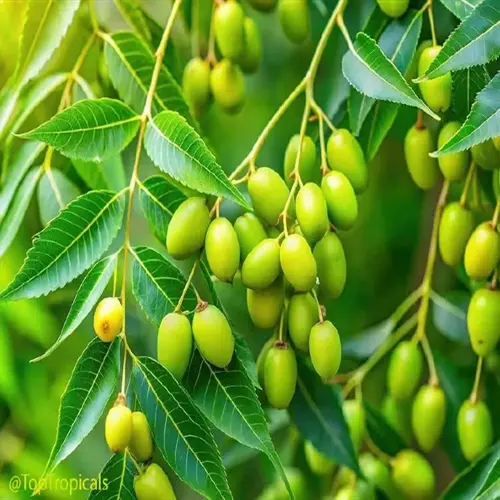
You can also tell these trees apart by looking at them up close. Neem grows up to 65 feet tall with a thick, round crown and dark green leaves with jagged edges. Moringa stays thinner with an open shape, and its leaves are smaller and rounder with smooth edges. Neem bark is rough and cracked while moringa bark stays smooth and pale. The flowers are different too. Neem has small white clusters while moringa blooms with bigger, sweet-smelling white petals.
Both trees offer real value for your life, but they serve very different roles. You want neem when you need to fix a health or pest problem. You want moringa when you need to add nutrition to your diet. Picking the right tree for your goal saves you time, money, and frustration down the road. A little homework now means better results for you later.
When you shop for either product, flip the bottle and find the Latin name on the back. Azadirachta indica means you have neem in your hands. If you see Moringa oleifera on the label, you grabbed moringa by mistake. Watch out for vague labels like "miracle tree oil" that could mean either one. The neem moringa difference matters for your results. Neem oil goes in your garden spray bottle. Moringa powder goes in your morning smoothie. I've seen people waste money buying moringa when they needed neem for their garden. Don't make that same mistake with your cash.
Read the full article: Neem Tree Benefits, Uses and Care