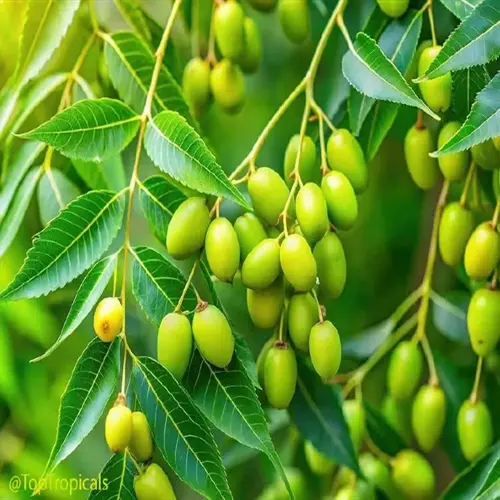

A neem tree called in English goes by three main names: neem, Indian lilac, and margosa. The word "neem" comes from the Hindi word "nim" and is the most common name you will hear. Indian lilac shows up in older plant guides. Margosa comes from the Portuguese word for bitter.
I find it amazing how many neem common names exist for this one tree. In Swahili, they call it Mwarobaini. That word means "tree of forty cures." People in West Africa know it as Dogonyaro. Old Sanskrit texts call it Nimba. The French say margousier. Each name tells you how that culture values this plant. When one species has this many names, you know it matters to a lot of people around the world.
The Latin name Azadirachta indica has a story behind it too. It comes from a Persian phrase that means "free tree of India." A French plant expert named Antoine de Jussieu gave it this formal tag back in 1830. The tree sits in the mahogany family. That makes it a cousin of mahogany and Spanish cedar. You can see the link in the shape of its wood and leaves.
The USDA Forest Service lists this tree as Azadirachta indica A. Juss. They note margosa as the other main English name. This detail matters more than you might think when you shop for neem products. Some brands label their items as "Indian lilac oil" or "margosa extract" to sound fancy. These are just neem by another name. Knowing the neem common names saves you from paying extra for the same thing in a nicer bottle.
Two other trees get mixed up with neem all the time. Chinaberry looks like neem from far away and belongs to the same plant family. But chinaberry berries are toxic to people, unlike neem fruit. Moringa also gets confused with neem because both grow in hot places and have thin leafy branches. Moringa comes from a whole different plant family and works as a food, not a medicine or pest killer.
I've seen online stores charge double for "Indian lilac essential oil" when it's just neem oil in a fancier bottle. Don't fall for that trick. Read the back label and look for Azadirachta indica to confirm you have real neem. If the front says margosa or Indian lilac, that's fine too. All three English names point to the same tree and the same compounds inside.
When you buy neem products, flip the bottle and check the Latin name on the back. This one step tells you that you have real neem in your hands. Don't pay extra for fancy naming when it's the same tree inside. And make sure you aren't buying chinaberry or moringa by mistake. Your wallet and your health will thank you for taking five seconds to read the label before you check out.
Read the full article: Neem Tree Benefits, Uses and Care