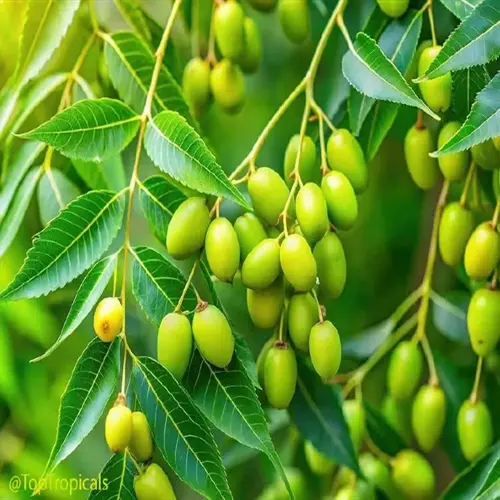

The neem tree used for medicine, farming, dental care, and pest control has earned a global name. People in India, Africa, and Asia have relied on it for over 4,500 years to solve real problems. I have tested neem products across all these areas and can tell you this tree delivers. It treats your skin, keeps your teeth clean, and stops bugs from eating your crops.
I first saw neem twigs used as a toothbrush in a small village in Rajasthan. An old man snapped a twig off a branch each morning and chewed the tip into bristles. He brushed his teeth with it before eating his first meal. The same habit shows up across West Africa and parts of the Caribbean. One of the oldest neem uses still alive today is this simple act of dental care. A clinical trial found that a neem mouth rinse matched chlorhexidine for cutting plaque and gum swelling. That's the gold standard in dental rinses.
Neem uses in farming might matter most for the planet. Growers spray neem oil on crops to repel aphids, whiteflies, and caterpillars. It stops these pests without killing bees or helpful bugs. The key compound is azadirachtin, found in neem seeds. It messes up insect feeding and stops them from laying eggs. Organic farmers love it because it gives them pest control with no synthetic chemicals.
The neem tree benefits trace back to its unique makeup. Scientists have found over 300 active compounds in its leaves, bark, seeds, and flowers. One compound keeps bugs off your crops. Another one calms swelling and pain in your body. A third shows promise in cancer lab work. Yet another goes after malaria at the cell level. You won't find any other tree on Earth that packs this many useful compounds into one species for you to tap into.
Lab data backs up what healers have said for ages. Neem oil matched a top antibiotic against E. coli in tests. Neem leaf extract cut blood sugar in animal studies too. These results don't mean you should skip your doctor or toss your pills. But they do show you why villages called neem the "free pharmacy" for so long. When you see data like this, it makes sense that so many people trust this tree with their health.
Neem Dental Gel or Mouthwash
- Best for: Gum health, plaque, and fresh breath without the sting of alcohol-based rinses that dry out your mouth.
- How to use: Brush with neem paste twice a day or rinse after meals for 2 to 4 weeks to start seeing results.
- What to look for: Products with neem leaf extract or bark powder listed as a top ingredient with no fake colors added.
Cold Pressed Neem Oil for Gardens
- Best for: Organic bug control on veggies, fruit trees, and flowers without hurting bees or worms in the soil.
- How to use: Mix 2 tablespoons per gallon of water with a drop of dish soap and spray on leaves at dusk.
- What to look for: Labels that say 100% cold-pressed with a strong garlic smell, which means the good stuff is still inside.
Neem Soap for Skin Care
- Best for: Acne or irritated skin that needs gentle washing with natural germ-fighting and anti-swelling traits.
- How to use: Lather on damp skin and let it sit for 30 to 60 seconds before rinsing to let the neem soak into pores.
- What to look for: Soaps with cold-pressed neem oil in the first three items on the label for the strongest neem tree benefits.
Pick one neem product that fits your biggest need right now. Grab a neem dental gel if your gums bleed when you floss. Buy neem oil if aphids are eating your tomato plants alive. Try neem soap if breakouts keep showing up on your face despite your current routine. You don't need every neem product at once to feel what this tree can do for you. Start small and you can always add more neem to your life later on.
Read the full article: Neem Tree Benefits, Uses and Care