
Introduction
The mint plant has been a kitchen and garden staple for thousands of years. The genus Mentha holds 19 species and 13 natural hybrids, each with its own flavor and use. Few herbs give you this much range from a single plant family.
In my experience growing mint over 8 years, the biggest surprise was how useful this herb turned out to be. Research shows mint antioxidant levels reach 88.6% in lab tests, close to vitamin C at 93.0%. Your herb garden does far more than just flavor your food.
Think of mint as that friend who shows up everywhere uninvited. The good news is this friend always brings something useful. It's one of the easy herbs to grow on a windowsill or in a big backyard. You can cook with it, brew tea from it, or use it to keep pests away from other plants.
This guide walks you through picking the right variety for your herb garden. You'll also learn proven health benefits backed by real science and the growing tips I wish I had known from day one.
8 Best Mint Plant Varieties
Not all mint varieties taste the same, and picking the wrong one can ruin a recipe. I tested over a dozen types of mint in my garden before I found the ones that perform best for home growers. The 8 varieties below cover every use from cooking to pest control.
Each mint variety has a different chemical makeup that changes its flavor. Spearmint contains 29 to 79.70% carvone in its essential oil, while peppermint packs a strong menthol punch. Chocolate mint adds cocoa notes, and apple mint brings a soft fruity sweetness. Knowing the best mint to grow for your needs saves you time and garden space.
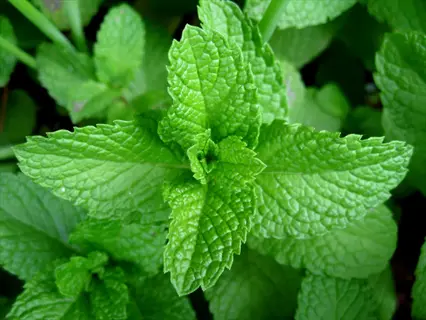
Peppermint (Mentha piperita)
- Flavor Profile: Strong cooling menthol taste with a sharp, refreshing bite that makes it the most recognizable mint flavor worldwide.
- Best Uses: Ideal for teas, desserts, chocolate pairings, and homemade extracts because the high menthol content holds up well in cooking and baking.
- Growing Habits: Grows 2 to 3 feet (60 to 90 cm) tall with dark green to purple-tinged leaves on square stems and spreads aggressively through underground rhizomes.
- Light and Water: Thrives in partial shade with consistent moisture at 1 to 2 inches (2.5 to 5 cm) of water per week and tolerates cooler temperatures well.
- Special Notes: A natural hybrid of spearmint and watermint that does not grow true from seed, so always start from cuttings or transplants for reliable results.
- Hardiness: Cold-hardy to negative 20°F (negative 29°C) and performs well in USDA zones 3 through 8 with proper mulching.
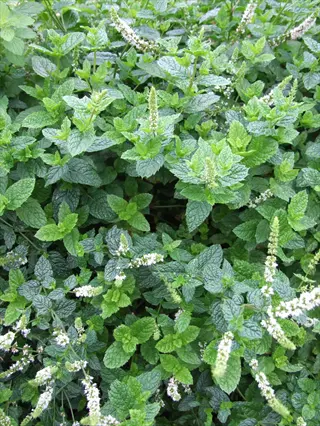
Spearmint (Mentha spicata)
- Flavor Profile: Sweet, mild, and slightly fruity taste with less menthol than peppermint, making it the preferred choice for most culinary applications.
- Best Uses: Perfect for savory dishes, salads, Middle Eastern cuisine like tabouli, mojitos, and mint water because its gentle flavor complements rather than overpowers food.
- Growing Habits: Reaches 30 to 100 cm (12 to 39 inches) tall with bright green, pointed leaves that are 5 to 9 cm (2 to 3.5 inches) long and 1.5 to 3 cm (0.6 to 1.2 inches) wide.
- Light and Water: Prefers partial shade to full sun with regular watering and adapts well to a wide range of soil conditions including slightly acidic to neutral pH.
- Special Notes: Contains rosmarinic acid derivatives making up 88% of total phenolic compounds, giving it significant antioxidant properties among all mint species.
- Hardiness: Extremely resilient perennial that naturalizes easily across temperate regions and can be grown from seed more reliably than most other mint varieties.
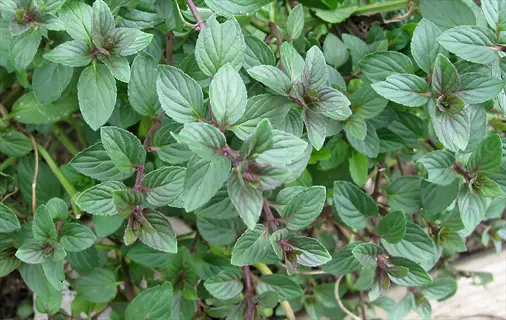
Chocolate Mint
- Flavor Profile: Subtle cocoa and vanilla undertones blended with classic mint flavor, reminiscent of a thin mint cookie or chocolate mint ice cream.
- Best Uses: Excellent for desserts, hot chocolate garnish, ice cream toppings, and baked goods where its unique chocolate-mint combination adds a gourmet touch.
- Growing Habits: A peppermint cultivar that grows 1 to 2 feet (30 to 60 cm) tall with distinctive dark brown stems and dark green leaves with brownish undersides.
- Light and Water: Performs best in partial shade with consistently moist soil and benefits from afternoon shade in hot climates to maintain its rich color.
- Special Notes: The chocolate scent and flavor are strongest when leaves are freshly picked and diminish with drying, so use fresh whenever possible for best results.
- Hardiness: Hardy in USDA zones 3 through 9 and spreads readily through runners, making container growing the recommended approach for most gardeners.
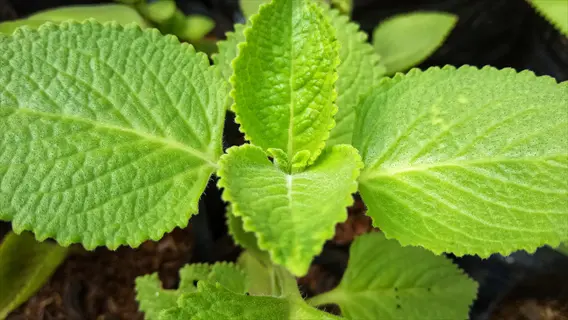
Apple Mint (Mentha suaveolens)
- Flavor Profile: Mild, fruity, and slightly sweet flavor with a gentle apple-like aroma that is less sharp and more rounded than peppermint or spearmint.
- Best Uses: Works beautifully in fruit salads, cold beverages, jellies, and as a fresh garnish because its soft flavor pairs well with light dishes and desserts.
- Growing Habits: Grows 1 to 3 feet (30 to 90 cm) tall with distinctive fuzzy, rounded leaves that are lighter green than other mint varieties and have a woolly texture.
- Light and Water: Tolerates more sun than most mints and handles slightly drier conditions, making it a forgiving choice for beginners or warmer climates.
- Special Notes: The variegated form known as pineapple mint features cream and green leaves and is often grown as an ornamental in addition to its culinary uses.
- Hardiness: Hardy in USDA zones 5 through 9 and somewhat less aggressive than peppermint or spearmint, though container growing is still recommended.
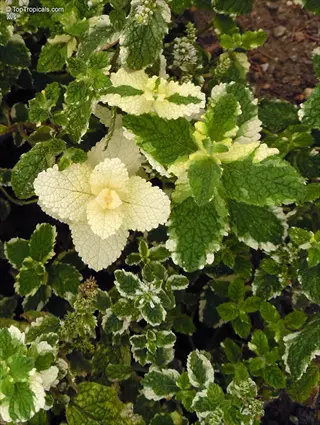
Pineapple Mint
- Flavor Profile: Light, fruity flavor with tropical pineapple undertones and a mild sweetness that is less intense than traditional spearmint or peppermint varieties.
- Best Uses: Ideal for cold drinks, fruit-based desserts, decorative garnishes, and ornamental plantings where its variegated leaves add visual interest alongside flavor.
- Growing Habits: A variegated cultivar of apple mint growing 1 to 2 feet (30 to 60 cm) tall with striking cream and green bicolor leaves on upright stems.
- Light and Water: Prefers partial shade as the variegated leaves can scorch in full sun, and needs consistent moisture to maintain its colorful foliage pattern.
- Special Notes: Less vigorous than solid-green mint varieties because the white portions of variegated leaves produce less chlorophyll, resulting in slower growth overall.
- Hardiness: Hardy in USDA zones 6 through 9 and makes an excellent container plant for patios and windowsills where its decorative foliage can be appreciated.
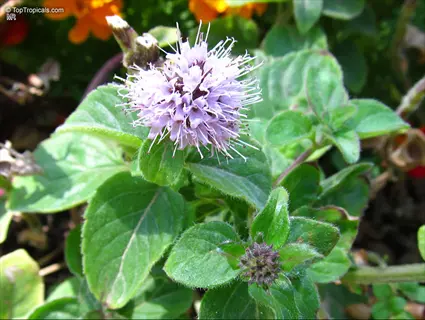
Orange Mint (Mentha citrata)
- Flavor Profile: Bright citrus aroma with distinct orange and bergamot notes that make it smell like Earl Grey tea with a refreshing minty finish.
- Best Uses: Perfect for teas, potpourri, desserts, and infused waters where its citrus-mint combination creates a unique and sophisticated flavor experience.
- Growing Habits: Grows 1 to 2 feet (30 to 60 cm) tall with smooth, rounded, dark green leaves often tinged with purple along the edges and stems.
- Light and Water: Performs well in partial shade with regular watering and appreciates rich, moist soil with good organic matter content for best essential oil production.
- Special Notes: Also called bergamot mint or eau de cologne mint, this variety is popular in aromatherapy and homemade beauty products due to its complex scent profile.
- Hardiness: Hardy in USDA zones 4 through 9 and spreads moderately through runners, making it manageable in garden beds but still best contained in pots.
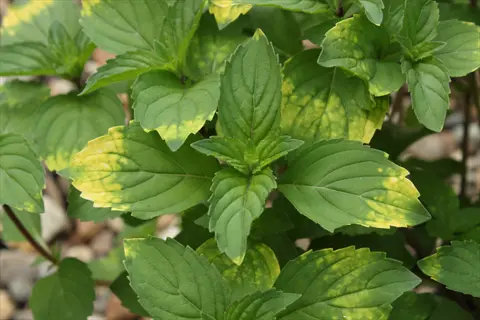
Ginger Mint (Mentha gracilis)
- Flavor Profile: Warm, spicy ginger notes layered with cool mint flavor, creating a complex taste that adds depth to both sweet and savory dishes.
- Best Uses: Excellent in Asian-inspired dishes, stir-fries, teas, and desserts where the ginger-mint combination provides a warming yet refreshing flavor dimension.
- Growing Habits: Grows 1 to 2 feet (30 to 60 cm) tall with smooth, yellow-green variegated leaves on reddish stems that add ornamental value to herb gardens.
- Light and Water: Prefers partial shade to full sun with consistent moisture and benefits from mulching to keep roots cool and retain soil moisture during summer.
- Special Notes: A natural hybrid also known as Scotch mint that combines the vigor of spearmint with unique ginger aromatics not found in other mint species.
- Hardiness: Hardy in USDA zones 5 through 9 and spreads moderately through runners, performing well in both containers and controlled garden beds with barriers.
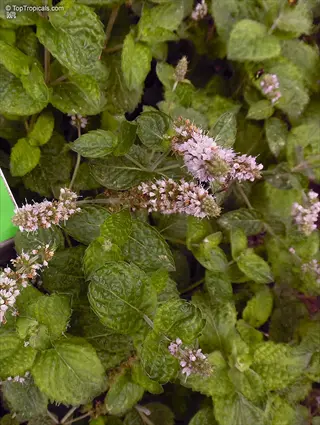
Pennyroyal (Mentha pulegium)
- Flavor Profile: Very strong, pungent, and medicinal mint flavor with intense menthone content that makes it too powerful for most culinary uses in large quantities.
- Best Uses: Primarily used as a natural insect repellent, ground cover plant, and ornamental rather than for cooking because of its extremely concentrated flavor.
- Growing Habits: Low-growing variety reaching only 6 to 12 inches (15 to 30 cm) tall with small, oval leaves and a creeping, mat-forming growth habit ideal for ground cover.
- Light and Water: Thrives in partial shade to full sun with moist soil and spreads quickly along the ground, filling in gaps between stepping stones and garden paths.
- Special Notes: Use with caution as pennyroyal oil is toxic in concentrated doses and should never be ingested as an essential oil or given to pets or pregnant individuals.
- Hardiness: Hardy in USDA zones 6 through 9 but less cold-tolerant than peppermint and spearmint, requiring winter protection in colder northern regions.
Growing and Planting Mint
The most important choice you make when you plant mint is where to put it. I learned this the hard way when mint I planted in a garden bed took over the entire row within one season. Container gardening mint keeps things under control and prevents mint spreading where you don't want it.
Think of mint rhizomes like underground highways that send up new exits everywhere. That's why barriers need to go at least 10 inches (25 cm) below the surface if you grow in the ground. Use a pot that's 12 to 16 inches wide and 10 to 15 inches deep to give your mint in pots enough room to thrive without escaping.
When you plant mint in the ground, space each plant 18 inches (45 cm) apart so air flows between them. Mint is cold hardy to negative 20°F (negative 29°C), so most climates can support it year round. The bottomless container trick works great too. Bury a pot with the bottom cut off and leave 1 inch above the soil line to catch runners before they escape.
You can propagate mint from stem cuttings, root division, or seeds. Mint cuttings are the best method for beginners because you see roots form in water within 7 to 14 days. Seeds work fine for spearmint but don't give you true plants for hybrids like peppermint. The chart below breaks down each method so you can pick the right one for your setup.
Stem Cuttings in Water
- Method: Cut a 4 to 6 inch (10 to 15 cm) stem just below a leaf node, remove the bottom leaves, and place the cutting in a glass of clean water on a sunny windowsill.
- Timeline: Roots typically appear within 7 to 14 days, and the cutting is ready to transplant when roots reach 1 to 2 inches (2.5 to 5 cm) in length.
- Best For: Beginners and indoor gardeners who want to watch the rooting process and easily start new plants from an existing mint without any special equipment.
Root Division
- Method: Dig up an established mint plant in spring or fall, gently separate the root ball into sections ensuring each piece has healthy roots and stems attached.
- Timeline: Divided sections establish quickly within 2 to 3 weeks when planted in moist soil and given partial shade during the initial recovery period.
- Best For: Gardeners with mature mint plants that need thinning or rejuvenation, as division also helps maintain plant vigor every 2 to 3 years.
Planting from Nursery Transplants
- Method: Purchase potted mint from a garden center, harden off for 3 to 5 days if greenhouse-grown, then plant at the same depth as the nursery container in prepared soil.
- Timeline: Transplants establish within 1 to 2 weeks and can be harvested lightly within the first month once new growth appears at the stem tips.
- Best For: Gardeners wanting a specific named variety with guaranteed identity, as this is the most reliable way to get the exact mint cultivar you want.
Growing from Seed
- Method: Sow seeds on the soil surface without covering them since mint seeds need light to germinate, keep moist at 65 to 75°F (18 to 24°C).
- Timeline: Germination takes 10 to 15 days, and seedlings need 8 to 10 weeks of growing before they are large enough for outdoor transplanting.
- Best For: Only recommended for spearmint and a few species mints, as hybrid varieties like peppermint do not produce true-to-type plants from seed.
Watering, Soil, and Fertilizing
Watering mint the right way makes the difference between a bushy, fragrant plant and a sad, wilting one. Your mint needs 1 to 2 inches (2.5 to 5 cm) of water per week to stay healthy. Many guides say "keep the soil moist" without telling you what that means, which causes more confusion than help.
Container mint dries out faster than garden mint, much like a small cup of water dries up faster than a pond. I check my potted mint soil every single day during summer. If the top inch feels dry, it's time to water. Overwatering is just as bad since soggy soil leads to root rot that can kill your plant fast. Good drainage holes in your pot solve this problem.
The mint soil requirements are simple but important. The ideal soil pH mint prefers falls between 6.0 and 7.0, which is slightly acidic to neutral. Mix in aged compost before planting to boost both drainage and moisture at the same time. Rich, loamy soil gives your mint the best start.
Fertilizing mint takes a light touch. Apply just 1 teaspoon of 16-16-16 fertilizer per plant in early spring and leave it at that. Too much fertilizer promotes rust disease and cuts down on the essential oils that give mint its flavor. I made this mistake once and ended up with big leaves that tasted like nothing.
Harvesting and Storing Mint
Knowing when to harvest mint makes a big difference in the flavor you get from your leaves. You can harvest 2 to 3 times per season, and the best window is right before your mint starts blooming. Young leaves at the top of each stem pack the strongest essential oils and the most flavor.
The golden rule of harvesting mint is to never take more than one third of the plant at one time. I ignored this rule once and my plant took weeks to bounce back. Cut stems right above a leaf pair so the plant branches out and gives you a fuller bush for your next harvest. Pinch off any flower buds you see since blooming shifts energy away from leaf growth.
Preserving mint comes down to your cooking style. Dried mint retains flavor for up to a year in a sealed jar, while freezing mint keeps the bright green color and fresh taste intact. The mint ice cubes method works great for cocktails and soups since you just drop a cube into your drink or pot. Fresh mint storage in the fridge keeps leaves usable for 7 to 14 days if you stand the stems in water like a bouquet. Drying mint is the best option if you want to stock your pantry for the whole year.
Air Drying Mint Leaves
- Process: Bundle 4 to 6 stems together and hang upside down in a warm, dry area away from direct sunlight for 1 to 2 weeks until the leaves feel crisp.
- Shelf Life: Dried mint stored in an airtight container in a cool, dark place retains good flavor for up to 12 months before the essential oils begin fading.
- Best For: Making mint tea blends, seasoning mixes, and dried herb pantry staples that you want available year round without needing freezer space.
Freezing in Ice Cube Trays
- Process: Chop fresh mint leaves, pack them into ice cube trays about two thirds full, then top off with water or olive oil and freeze until solid.
- Shelf Life: Frozen mint cubes maintain excellent color and flavor for 3 to 6 months in freezer bags, offering convenient single portions ready to use.
- Best For: Adding to soups, stews, smoothies, cocktails, and sauces where you want the brightness of fresh mint flavor without last minute prep work.
Refrigerator Fresh Storage
- Process: Trim stem ends and place mint stems in a glass of water like a bouquet, then cover with a loose plastic bag and store in the refrigerator door.
- Shelf Life: Fresh mint stored this way stays vibrant and usable for 7 to 14 days with water changed every 2 to 3 days to prevent bacterial growth.
- Best For: Short term storage when you have a large harvest and plan to use the mint within the next week or two for fresh cooking and garnishing.
Dehydrator Drying
- Process: Spread individual mint leaves in a single layer on dehydrator trays and dry at 95 to 105°F (35 to 40°C) for 2 to 4 hours until crisp.
- Shelf Life: Dehydrator dried mint maintains strong flavor for up to 12 months when stored in airtight glass jars away from heat, light, and moisture.
- Best For: Gardeners with large harvests who want consistent, quick results and more control over the drying process than traditional air drying provides.
Mint Health Benefits
Most guides list mint health benefits without showing any real proof. In my experience, the science behind the medicinal uses of mint is far more impressive than most people realize. I started drinking mint tea daily after reading the research, and it became a kitchen staple.
The mint antioxidant power is backed by real lab data. Tests show mint hits 88.6% antioxidant activity while vitamin C scores 93.0%. Spearmint gets most of its power from rosmarinic acid, which makes up 88% of its phenolic compounds. Think of it like a security team where almost every guard has the same elite training.
Peppermint for digestion is one of the best known uses. The oil relaxes smooth muscles in your gut by blocking calcium channels. This helps ease cramps and bloating after meals. You also get mint anti-inflammatory effects from compounds in the leaves.
Spearmint tea benefits include those same protective compounds in a milder, sweeter cup you can sip every day. Keep in mind that most data comes from lab and animal studies so far. Clinical trials in humans still need to happen, but the early findings make a daily cup of mint tea a smart bet.
5 Common Myths
Mint needs full direct sunlight all day long to grow properly and produce flavorful leaves.
Mint actually prefers partial shade with 4 to 6 hours of morning sunlight, and too much direct sun can cause leaf scorch and wilting.
You should start mint from seeds because it is the easiest and most reliable method of propagation.
Mint is best started from cuttings or division because seeds do not reliably produce true-to-type plants, especially for hybrid varieties like peppermint.
Adding more fertilizer to mint plants will produce stronger flavor and bigger harvests every time.
Over-fertilizing mint actually promotes rust disease and diminishes essential oil production, reducing both flavor and aroma quality.
Mint plants are completely maintenance-free once established and require no ongoing attention at all.
Mint needs regular harvesting, watering at 1 to 2 inches (2.5 to 5 cm) per week, and containment management to prevent invasive spreading through rhizomes.
All mint varieties taste exactly the same and can be used interchangeably in any recipe or application.
Different mint species have distinctly different chemical profiles, with spearmint containing 29 to 80 percent carvone while peppermint is rich in menthol, giving each unique flavors.
Conclusion
Growing mint is one of the most rewarding things you can do in your herb garden. Pick peppermint for tea and desserts. Go with spearmint for savory dishes. Try a specialty variety like chocolate or orange mint for something new.
Your mint plant needs very little to thrive. Give it 1 to 2 inches (2.5 to 5 cm) of water each week with some partial shade. This herb handles winters down to negative 20°F (negative 29°C), so most climates work just fine.
Consider which variety suits your needs and don't let the content about spreading scare you. Container gardening mint solves that concern with zero hassle. In my experience, a 12 to 16 inch pot keeps your mint in check while giving roots enough room.
I invite you to put together everything from this article and try growing mint this season. The three pillars of advice, variety selection, and health benefits all point one way. Mint earns its spot in every kitchen garden.
External Sources
Frequently Asked Questions
Does mint need sun or shade?
Mint grows best in partial shade with 4 to 6 hours of morning sunlight, though it tolerates full sun if kept well-watered.
Does mint grow in Germany?
Mint grows very well in Germany across all climate zones, thriving in the country's temperate maritime conditions.
What are the benefits of mint?
Mint offers benefits including:
- Supports digestion
- Provides antioxidants
- Freshens breath
- Relieves headaches
- Repels insects
- Reduces inflammation
- Soothes nausea
- Supports respiratory health
- Adds flavor without calories
- Promotes skin health
Is mint a good indoor plant?
Mint makes an excellent indoor plant when placed near a sunny window with at least 4 to 6 hours of light daily.
Does mint grow better in pots or ground?
Mint grows well in both pots and ground, but containers are recommended because mint spreads aggressively through underground rhizomes.
Can mint survive winter indoors?
Mint can survive winter indoors when given adequate light and proper care, though it may go partially dormant.
What animals does mint repel?
Mint repels mice, deer, ants, mosquitoes, and several other pests with its strong aromatic oils.
What grows well with mint?
Mint pairs well with tomatoes, cabbage, broccoli, and carrots, as its strong aromatic oils help repel aphids, flea beetles, and cabbage moths.
Can I eat mint leaves raw every day?
Eating fresh mint leaves daily is generally safe for most people, as spearmint extract has an experimentally safe toxicity profile.
What are common mint plant problems?
Common mint plant problems include:
- Mint rust
- Aphid infestations
- Root rot from overwatering
- Powdery mildew
- Yellowing leaves