
Introduction
The japanese beetle drains over $460 million per year from American wallets in control costs alone. This invasive species landed in New Jersey back in 1916. It now feeds on more than 300 plant types across most states east of the Mississippi.
In my experience, these metallic green pests wrecked my rose bushes and shade trees for years before I cracked the code on garden pest control. Their feeding creates a lace curtain effect on your leaves. They chew away the soft green tissue and leave nothing but see through skeletons behind.
Japanese beetle damage grows worse each year as climate change pushes them north into Canada and west across the country. New finds in Washington, Colorado, and Oregon prove these pests keep spreading. You need a smart, proven plan to protect your yard.
This guide covers how to spot, stop, and prevent the damage in your yard. You'll learn which plants they target and which ones they skip. Every method comes from university research and hands on field testing I've done over the years.
How to Identify Japanese Beetles
Good japanese beetle identification saves you time and money on your pest plan. This scarab beetle looks a lot like other species in your yard. In my experience, most gardeners panic over June bugs while the real pests eat their roses.
Adults measure about 7/16 inch long, close to the size of a coffee bean you'd find in your kitchen. Look for the metallic green thorax and copper-brown wing covers that shine in the sun. The key feature is 5 white tufts of hair on each side of the belly.
Below ground, you'll find white grubs that curl into a C shape. Flip them over and check the last body segment for a V shaped spine pattern that only this species has. Other scarab beetle grubs lack this marking.
The table below helps you tell these beetles apart from the 2 species you'll mix them up with most often. Check these features before you pick any control method for your yard.
8 Plants They Love and Hate
Knowing which plants japanese beetles eat saves you from planting a buffet in your own yard. These beetles target over 300 host plants, but some species attract them far more than others. I learned this lesson when I planted roses right next to my vegetable garden and watched beetles swarm in from across the street.
The list below pairs the 4 most attacked plants with 4 japanese beetle resistant plants you can swap in. Wisconsin Extension lists 26 resistant species for you to pick from. Japanese beetle damage to roses gets worse when you group your favorites together. Feeding beetles give off scents that pull in even more pests to your yard.
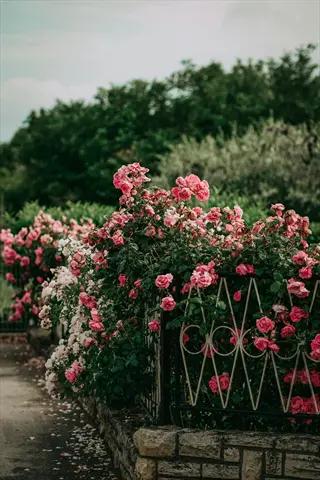
Roses - Most Preferred Host
- Damage level: Roses are the single most targeted plant by Japanese beetles across all university extension sources reviewed, with severe skeletonization of leaves and destruction of flower petals.
- Feeding pattern: Adults consume the soft tissue between leaf veins, leaving behind a lace-like skeleton, and also feed directly on rose petals reducing blooms to brown, tattered remnants.
- Peak vulnerability: Rose damage is heaviest from late June through August during the adult beetle flight period, with climbing and hybrid tea roses suffering the worst attacks.
- Protection options: Cover prized rose bushes with fine mesh netting during peak season, apply neem oil every seven to fourteen days, or use chlorantraniliprole for longer-lasting protection.
- Companion myth: University of Kentucky researchers confirmed that planting garlic, chives, or marigolds near roses does not repel Japanese beetles despite widespread recommendations.
- Alternative choice: Consider knockout roses or rugosa varieties that recover faster from feeding damage, or switch to resistant flowering shrubs like lilac or forsythia.
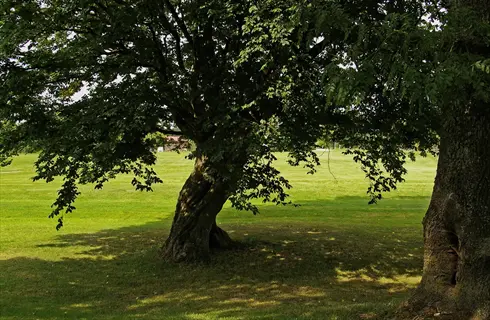
Linden Trees - Top Tree Target
- Damage level: Lindens, especially American and littleleaf varieties, rank among the most targeted trees by Japanese beetles according to both Wisconsin and Kentucky extension sources.
- Feeding pattern: Adults feed on linden foliage from the top of the canopy downward, creating a brown, scorched appearance that is visible from a distance during heavy infestations.
- Tree health impact: Healthy mature lindens can tolerate several years of moderate defoliation, but repeated heavy feeding weakens trees and makes them susceptible to secondary borers and disease.
- Protection challenge: Large linden trees are close to impossible to protect with physical barriers, making systemic insecticide soil drenches or trunk injections the most practical treatment option.
- Timing matters: Apply systemic treatments in early spring before beetle emergence so the active ingredient has time to move through the tree's vascular system to the leaves.
- Resistant alternative: Consider planting tulip trees, red oaks, or sweetgum trees which Japanese beetles seldom feed on and provide similar shade canopy coverage.
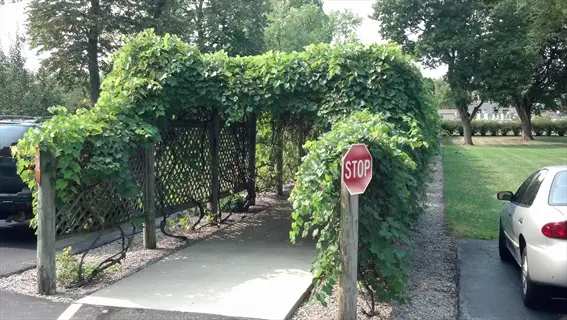
Grapes and Grapevines - Crop Threat
- Damage level: Japanese beetles are a major agricultural pest of grapevines, with adults capable of full defoliation of vines during heavy infestations in commercial and home vineyards.
- Economic impact: Soybean yield losses reach up to twenty percent in heavily infested areas, and grape growers face similar or worse production losses without active management programs.
- Feeding pattern: Beetles consume grape leaf tissue between the veins and also feed directly on ripening fruit clusters, creating entry points for secondary fungal infections and rot.
- Vineyard management: Commercial grape growers often use carbaryl or pyrethroids for quick knockdown, but these products are very toxic to pollinators and beneficial insects nearby.
- Home garden approach: For backyard grapevines, handpick beetles into soapy water during early morning when they are sluggish, and apply neem oil to foliage every seven to ten days.
- Resistant alternative: Muscadine grapes show greater tolerance to Japanese beetle feeding than European or American grape varieties and thrive in southeastern United States climates.
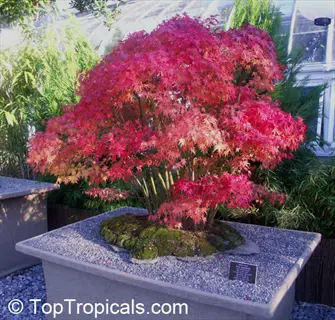
Japanese Maple - Ornamental Target
- Damage level: Japanese maples and Norway maples get heavy attacks by adult Japanese beetles, with their delicate ornamental foliage being extra vulnerable to skeletonization damage.
- Visual impact: Even moderate feeding turns the prized red or green lace-leaf foliage into brown, transparent skeletons that ruin the ornamental value these trees provide in landscape design.
- Recovery ability: Most healthy Japanese maples can recover from a single season of moderate defoliation, but repeated annual damage keeps weakening the tree and reduces growth.
- Protection strategy: Small ornamental Japanese maples can be well protected with lightweight fabric row covers or fine mesh netting during the six-week adult flight period.
- Chemical option: For valuable specimen trees, a systemic soil drench with imidacloprid applied in early spring provides season-long protection but poses risks to pollinators visiting nearby flowers.
- Resistant alternative: Consider planting red maple, silver maple, or dogwood trees which Japanese beetles seldom feed on and provide similar ornamental appeal in residential landscapes.
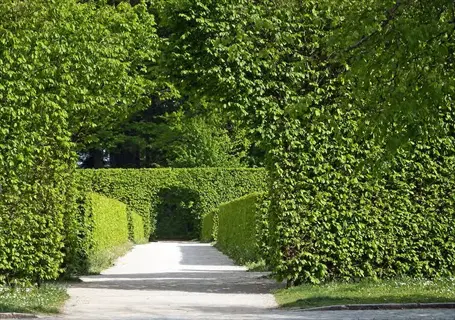
Boxwood - Naturally Resistant
- Resistance level: Boxwood is one of the most reliable Japanese beetle resistant shrubs documented by both Minnesota and Wisconsin extension services, making it a safe landscape choice.
- Why they avoid it: Japanese beetles much prefer soft, broad-leaved plants with accessible tissue between veins, and boxwood's dense, waxy, small leaves provide little feeding appeal.
- Landscape versatility: Boxwood works as hedging, foundation planting, border edging, and specimen topiary, offering year-round structure without the risk of summer beetle defoliation.
- Companion benefit: Planting boxwood near vulnerable species will not repel beetles from those plants, but replacing susceptible shrubs with boxwood eliminates feeding sites from your yard.
- Maintenance needs: Boxwood requires minimal pest management compared to beetle-prone alternatives, though it can be susceptible to boxwood blight and leafminer in certain humid regions.
- Design tip: Use boxwood as a structural anchor in mixed borders and pair with other resistant plants like lilac, arborvitae, and magnolia for a beetle-proof garden framework.
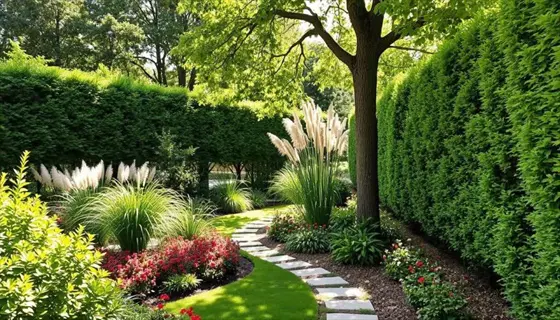
Arborvitae - Evergreen Safe Choice
- Resistance level: Arborvitae is listed as Japanese beetle resistant by multiple university sources, and its scale-like foliage is not at all appealing to adult beetles seeking broad leaves.
- Practical advantage: Because arborvitae provides dense year-round screening and privacy, it serves the same landscape function as beetle-prone lindens without the summer defoliation risk.
- Size options: Arborvitae varieties range from compact three-foot (one-meter) globes to towering fifty-foot (fifteen-meter) columns, fitting almost any residential landscape design need.
- Growing conditions: These evergreens thrive in full sun to partial shade with well-drained soil, and once established they require minimal watering and almost no pest control treatments.
- Deer consideration: While Japanese beetle resistant, arborvitae is a preferred food for deer in winter, so consider deer fencing if you live in an area with high deer populations.
- Replacement strategy: If lindens or other susceptible shade trees are hit with damage each year by beetles, consider gradually replacing them with arborvitae rows for beetle-free screening.
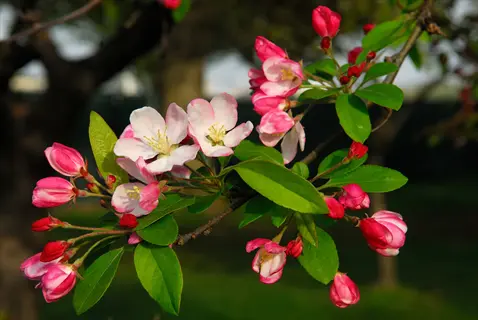
Crabapple - Heavily Attacked Tree
- Damage level: Flowering crabapples are among the most preferred tree hosts listed by Colorado State and Kentucky extension sources, with heavy annual defoliation common in infested regions.
- Feeding behavior: Japanese beetles congregate on crabapple foliage in large groups because damaged leaves release volatile compounds that attract additional beetles through aggregation pheromones.
- Seasonal timing: Adult beetles emerge in late June and feed on crabapple trees through August, with peak damage occurring in July when beetle populations are at their highest density.
- Secondary damage: Repeated defoliation weakens crabapple trees and makes them more susceptible to apple scab, fire blight, and secondary boring insects that attack stressed woody plants.
- Management approach: For large crabapple trees, systemic insecticide trunk injections administered by a certified arborist provide the most effective protection without exposing pollinators to surface residues.
- Resistant alternative: Consider planting dogwood, redbud, or hawthorn trees which provide similar spring flowering display with much less risk of Japanese beetle damage.
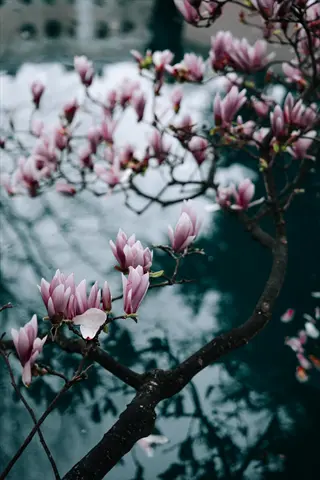
Magnolia - Reliable Resistant Tree
- Resistance level: Magnolia trees are listed again and again as Japanese beetle resistant across Minnesota and Wisconsin extension publications, making them an excellent ornamental tree choice.
- Why they resist: Magnolia leaves contain chemical compounds that Japanese beetles find unpalatable, and the thick, waxy leaf surface provides a physical barrier to their feeding mandibles.
- Ornamental value: Southern magnolia provides large glossy evergreen leaves and fragrant white flowers up to twelve inches (thirty centimeters) across, rivaling any beetle-prone ornamental tree.
- Climate range: Star magnolia and saucer magnolia varieties are hardy to USDA zones four and five which extends magnolia options well into northern Japanese beetle territory.
- Low maintenance: Once established, magnolias require minimal pest management and are seldom bothered by any major insect pest, reducing overall garden chemical use and maintenance effort.
- Design application: Use magnolia as a focal specimen tree to replace beetle-damaged crabapples or lindens, gaining superior ornamental value with zero Japanese beetle management requirements.
Damage to Lawns and Gardens
Japanese beetle damage hits your yard in two waves at once. Adults skeletonize leaves on your plants up top. Their grubs chew through grass roots below ground. In my experience, the grub damage often sneaks up on you first because it hides under the soil surface.
USDA puts grub damage costs at $234 million per year in the U.S. alone. That breaks down to $78 million for control and $156 million for turf damage and replacement. Corn crops in bad zones lose up to 32.4% of kernel weight. This pest threatens farms just as much as home gardens.
I've pulled back dead patches of lawn that peeled up like a loose carpet to find dozens of white grubs at the root zone. Up top, leaf skeletonization turns your garden to see through parchment. You can spot the dead patches from across the yard once damage sets in.
The good news is that your turf can handle up to 10 grubs per square foot before you need to treat. Check for these warning signs so you catch the turf damage before it spreads.
Skeletonized Leaves on Plants
- What it looks like: Adult Japanese beetles consume the soft green tissue between leaf veins, leaving behind a brown, lace-like skeleton that appears transparent when held up to sunlight.
- Most affected plants: Roses, grapes, lindens, Japanese maples, and crabapples show the worst skeletonization, but over 300 plant species are vulnerable to adult feeding damage.
- Timing: Skeletonization damage appears from late June through August during the adult flight period, with peak destruction in July when beetle populations are highest.
- Severity indicator: A single beetle causes minimal damage, but group feeding triggered by aggregation pheromones can strip entire branches bare within two to three days.
Brown Turf Patches in Lawns
- What it looks like: Japanese beetle grubs feed on grass roots below the soil surface, creating irregular brown patches that resemble drought stress but do not recover with watering.
- The carpet test: Heavily damaged turf peels back like a loose carpet when pulled, revealing white C-shaped grubs feeding at the root zone just below the thatch layer.
- Timing: Most visible turf damage occurs from middle to late August when third-instar grubs are largest and feeding most aggressively before burrowing deeper for winter.
- Damage threshold: Minnesota Extension research shows healthy, well-maintained turf can tolerate up to 10 grubs per square foot before visible damage and treatment becomes necessary.
Destroyed Flower Petals
- What it looks like: Adult beetles feed directly on flower petals, chewing large irregular holes that turn blooms into tattered, brown remnants and eliminate ornamental and pollination value.
- Most affected flowers: Rose blooms, hibiscus, and hollyhocks suffer the worst petal damage, with beetles often consuming entire flower heads during heavy group feeding episodes.
- Secondary effect: Damaged flowers attract even more beetles because the volatile compounds released from chewed tissue act as aggregation signals drawing beetles from surrounding areas.
- Economic impact: For commercial flower growers and nurseries, petal damage makes products unsellable even before plants suffer significant leaf or structural harm.
Animal Digging in Lawn
- What it looks like: Skunks, raccoons, and crows dig up sections of lawn to feed on Japanese beetle grubs, creating additional surface damage on top of the root destruction below.
- Why it happens: These animals detect grub concentrations by sound and smell, and a lawn with heavy grub populations becomes a consistent food source that attracts nightly digging activity.
- Timing: Animal digging damage typically appears in late summer and fall, coinciding with peak grub size and the period when grubs are closest to the soil surface.
- Management implication: Animal digging is actually a reliable indicator of grub infestations and can help you identify problem areas that need targeted treatment before visible turf death occurs.
Proven Control Methods
Learning how to get rid of japanese beetles starts with your budget and comfort level. In my experience, the best japanese beetle control plans use several methods at once. You don't need to spend a fortune to protect your garden from these pests.
The methods below go from free options to pro treatments. One thing every expert agrees on is to skip the beetle traps no matter what. Research from the University of Kentucky proves traps pull in far more beetles than they catch. Stick with these organic pest control options and targeted treatments for your yard instead.
Handpicking Into Soapy Water
- Method: Fill a bucket with water and a few drops of dish soap, then knock or pick beetles directly into the solution during early morning hours when they are sluggish and use thanatosis.
- Effectiveness: Handpicking is recommended by all five university extension sources as the safest and most effective method for small to medium garden areas.
- Best timing: Japanese beetles are most vulnerable in early morning before temperatures rise above 70°F (21°C) when they are slow-moving and drop easily.
- Cost and effort: Zero product cost but requires daily commitment during the six-week adult flight period from late June through August for consistent population reduction.
Physical Barriers and Netting
- Method: Cover vulnerable plants with lightweight fabric row covers or fine mesh netting with openings smaller than 1/4 inch (6 millimeters) to physically exclude adult beetles.
- Best candidates: Small ornamental trees, rose bushes, berry patches, and vegetable garden sections benefit most from netting during the peak July feeding period.
- Pollinator consideration: Remove netting during morning hours when pollinators are active if the covered plants require pollination for fruit production, then replace in afternoon.
- Limitation: Netting is impractical for large shade trees like lindens or mature crabapples, where systemic treatments or trunk injections become the more feasible option.
Neem Oil Foliar Spray
- Method: Apply neem oil or azadirachtin-based sprays to foliage every seven to fourteen days, which acts as both a feeding deterrent and a contact insecticide against adult beetles.
- Effectiveness: Neem provides moderate protection rated as low-risk to pollinators by multiple extension sources, making it the top organic spray option for Japanese beetle management.
- Application timing: Spray in late evening after pollinators finish foraging to minimize any contact exposure, and reapply after rain events which wash the active ingredient off leaves.
- Limitation: Neem oil breaks down fast in sunlight and heat, providing shorter protection windows than synthetic alternatives, requiring consistent reapplication throughout the flight season.
Resistant Plant Selection
- Method: Replace heavily damaged plants with Japanese beetle resistant species like boxwood, arborvitae, magnolia, red maple, dogwood, lilac, forsythia, and yew.
- Long-term value: Wisconsin Extension lists 26 resistant plant species that provide equivalent landscape function without annual beetle management costs or chemical applications.
- Weed host removal: University of Kentucky research shows that removing weed hosts like multiflora rose, wild grape, and poison ivy from property edges reduces beetle reinfestation pressure.
- Important note: Companion planting with garlic or herbs near susceptible plants does not repel Japanese beetles because aggregation pheromones from feeding beetles override any deterrent scents.
Targeted Chemical Treatments
- Method: Apply chlorantraniliprole for two to four weeks of foliar protection, or use systemic soil drenches with imidacloprid for season-long tree protection applied in early spring.
- Pollinator safety ranking: Chlorantraniliprole is rated lowest risk to bees among all synthetic options, while carbaryl and pyrethroids are very toxic and should be applied only in late evening.
- Grub prevention: Apply preventive grub control products containing chlorantraniliprole or clothianidin to lawn areas in June or July before eggs hatch for season-long larval suppression.
- Professional help: For large trees or severe infestations, certified arborists can administer trunk injections that deliver insecticide straight into the vascular system without surface pollinator exposure.
Physical removal gave me the best results in my garden with zero chemical risk. Start with handpicking into soapy water and netting first. Move to sprays if beetles keep coming back in large numbers.
Biological Control Options
You can use biological control and natural enemies to fight japanese beetles in your yard. In my experience, some of these options work much better than others. I wasted good money on milky spore before I learned it kills less than 5% of grubs in Colorado State trials. You deserve real numbers before you buy.
The Winsome fly is the top natural enemy right now. Minnesota's 2024 data shows parasitism rates between 16% and 30% on adult beetles. The parasitic wasp Tiphia vernalis also helps by going after grubs in your soil. Beneficial nematodes can work but need moist soil above 60°F to survive.
Bacillus thuringiensis galleriae goes after both adults and grubs at once. You can find it sold as BeetleGone and grubGONE at most garden stores. UC Davis also found a pheromone degrading enzyme that could lead to new tools. The table below gives you an honest look at each biological control agent.
Pollinator-Safe Treatments
Your bees matter when you fight japanese beetles with sprays. In my experience, bees and your garden can both win if you pick the right product. I tell every gardener to start with the least toxic option first.
Chlorantraniliprole has a low risk to bees rating from Colorado State. It's the safest pick among all the synthetic choices you can buy. A neonicotinoid like imidacloprid can hurt bees near your flowers. The EPA label language on these products is a legal requirement you must follow.
Spray in late evening after bees stop working for the day. Keep a 4 to 5 foot buffer between treated plants and bee favorites. Organic pest control like neem oil gives you a bee-safe choice too. The table below ranks each product for your pollinator safety needs.
5 Common Myths
Japanese beetle traps are an effective way to protect your garden from beetle damage during summer feeding season.
University of Kentucky research proves traps attract far more beetles than they capture, increasing damage to nearby plants by drawing beetles from surrounding areas.
Milky spore disease is a reliable biological control that will eliminate Japanese beetle grubs from your lawn within one season.
Colorado State University testing shows milky spore kills less than five percent of grubs annually, making it one of the least effective biological control options available.
Planting four o'clock flowers near roses and other garden plants will poison and kill Japanese beetles that feed on them.
A 2013 Colgate University study found no evidence that four o'clock flowers are toxic to Japanese beetles despite this widespread gardening myth.
Companion planting with garlic, chives, or catnip will repel Japanese beetles and protect vulnerable garden plants nearby.
University of Kentucky entomologists have confirmed that companion planting does not repel Japanese beetles because aggregation pheromones override any deterrent plant scents.
Treating your lawn for grubs in spring will prevent adult Japanese beetles from damaging your garden plants in summer.
Grub control only reduces lawn damage from larvae and has no effect on adult beetles, which fly in from surrounding areas up to several miles away.
Conclusion
In my experience, japanese beetle control works best when you mix several tools at once. Start by learning what they look like. Then swap out plants they love for ones they skip. Use handpicking as your first line of defense for integrated pest management.
Skip the traps and don't waste cash on milky spore. Neither one gives you real results. With over $460 million in yearly U.S. costs and this invasive species management problem growing, you need methods that work. Garden protection gets a boost from chlorantraniliprole when your other tools fall short.
New research keeps moving forward on better tools for you. UC Davis found a pheromone degrading enzyme that could change the game soon. Better biocontrol agents get closer to store shelves each year for home use.
You now have the same knowledge the pros use to protect gardens across the country. Put these proven methods to work this season and you'll see the results in your plants and your lawn.
External Sources
Frequently Asked Questions
Are Japanese beetles harmful?
Yes, Japanese beetles cause serious damage to over 300 plant species by skeletonizing leaves and destroying turf roots as grubs.
Why not squish Japanese beetles?
Squishing Japanese beetles releases aggregation pheromones that attract even more beetles to the area.
How do I get rid of Japanese beetles?
Combine handpicking into soapy water, neem oil sprays, and targeted insecticides for the most effective Japanese beetle removal.
Do we have Japanese beetles in the UK?
Japanese beetles are not yet established in the United Kingdom, but they have been found in mainland Europe near Milan, Italy since 2014.
Can I touch a Japanese beetle?
Yes, Japanese beetles are completely safe to handle as they do not bite, sting, or carry diseases harmful to humans.
What is the natural enemy of the Japanese beetle?
Key natural enemies include the Winsome fly, parasitic wasps like Tiphia vernalis, and beneficial nematodes.
What attracts Japanese beetles?
Japanese beetles are attracted by damaged-leaf odors, floral scents, and aggregation pheromones released by feeding beetles.
What scares away Japanese beetles?
Physical barriers like fine netting, neem oil sprays, and removing preferred host plants help repel Japanese beetles.
Why is my house full of Japanese beetles?
Japanese beetles cluster near homes when attractive host plants like roses, grapes, or lindens grow nearby.
Where do Japanese beetles lay eggs?
Female Japanese beetles burrow two to four inches into moist, well-maintained turf soil to lay 40 to 60 eggs per lifetime.