
Introduction
Every shade gardener hits the same wall at some point. You stare at that dark corner under the trees and wonder what on earth will grow there. Impatiens flowers remain the top answer to that question and have been for decades. They fill dim garden beds with bright color when most other plants just sit there and sulk.
The genus Impatiens contains over 1,000 species, but you only need to know 3 of them. Think of them like siblings with very different personalities. Walleriana is the classic shade lover that wants filtered light and moist soil. New Guinea is the bold sun seeker that handles direct morning rays without flinching. Garden balsam is the old school charmer your grandmother grew along the fence line.
I watched downy mildew destroy my own impatiens beds back in 2013. That water mold swept through gardens across the country and scared many growers away from these flowers. But breeders fought back hard. Resistant impatiens varieties like Beacon, Bounce, and Imara XDR now make these plants safe to grow again.
This guide walks you through the best shade garden plants in the impatiens family. You will find variety picks, seasonal care tips, and mildew prevention advice. Everything here helps you keep these flowers blooming from spring through fall frost.
8 Best Impatiens Varieties
Picking the right impatiens varieties matters more now than it did 15 years ago. Downy mildew pushed breeders to create disease resistant impatiens for your garden. I've grown most of these types myself and can tell you which ones earn their spot.
New Guinea impatiens first arrived in the US in 1970 with natural mildew resistance. SunPatiens thrive in full sun spots where you'd never plant standard types. Walleriana grows 6 to 24 inches tall and shines in shade with resistant picks like Beacon impatiens. You can also grab double impatiens from the Rockapulco series for rose shaped blooms.
Beacon Series
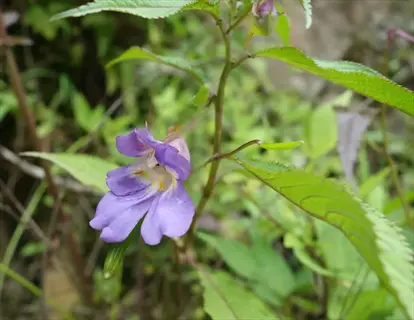
- Mildew Resistance: Beacon impatiens offer strong resistance to downy mildew caused by Plasmopara obducens, making them a reliable replacement for older susceptible walleriana cultivars in shade gardens.
- Light Needs: These plants perform best in partial to full shade with 2 to 4 hours of filtered sunlight per day, matching the classic walleriana shade preference gardeners expect.
- Size Range: Beacon plants grow 12 to 18 inches (30 to 46 centimeters) tall and spread to a similar width, forming neat mounds ideal for borders and mass plantings.
- Color Options: Available in a wide range of colors including coral, orange, red, rose, salmon, violet, and white, giving gardeners plenty of choices for shade bed color schemes.
- Best Use: Plant Beacon impatiens in woodland garden borders, foundation plantings, and shaded container arrangements where traditional impatiens once thrived before the mildew crisis.
- Growing Tips: Space plants 8 to 12 inches (20 to 30 centimeters) apart in moist, well-drained soil enriched with organic matter for best results throughout the growing season.
Imara XDR Series
- Mildew Resistance: Imara XDR stands for Extra Disease Resistance, providing top-tier protection against downy mildew that has been validated through university extension trial programs.
- Light Needs: These impatiens prefer partial shade conditions similar to standard walleriana but show good tolerance for brief periods of morning sunlight in cooler climates.
- Size Range: Plants reach 10 to 14 inches (25 to 36 centimeters) in height with a compact, well-branched habit that fills garden beds without excessive leggy growth.
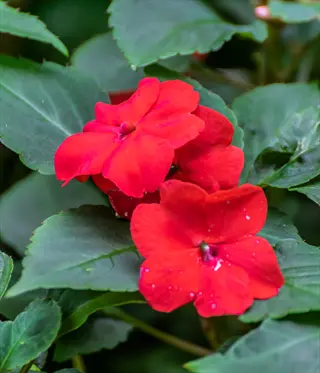
- Color Options: The Imara XDR series comes in bright shades including orange, pink, red, rose, salmon, violet, and white, as well as attractive bicolor combinations.
- Best Use: Ideal for mass plantings in shade beds and as a container filler where gardeners want the classic walleriana look with modern disease protection built in.
- Growing Tips: Feed with a balanced slow-release fertilizer at planting time and water on a regular schedule, keeping the soil moist but not waterlogged to prevent root rot issues.
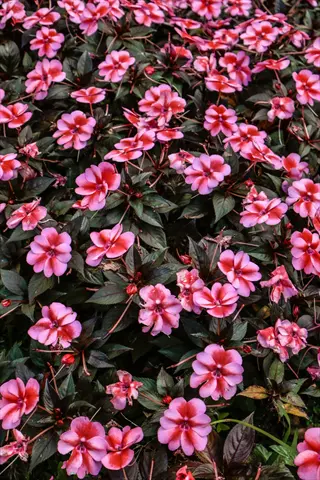
Bounce Series
- Mildew Resistance: Bounce impatiens are interspecific hybrids bred for downy mildew resistance, bouncing back fast from temporary wilt caused by heat or drought stress.
- Light Needs: These plants tolerate a wider range of light conditions than standard walleriana, performing well in both partial shade and areas receiving up to 6 hours of sunlight.
- Size Range: Bounce plants grow with vigor to 12 to 18 inches (30 to 46 centimeters) tall and can spread up to 24 inches (61 centimeters), making them excellent groundcover choices.
- Color Options: Available in a more limited palette including Pink Flame, Cherry, and Violet, with each color offering vivid saturation that stands out in shade garden settings.
- Best Use: Use Bounce impatiens as a spreading groundcover under trees, along shaded pathways, or in large hanging baskets where their trailing habit creates a cascading effect.
- Growing Tips: Allow a bit more space between plants than standard varieties because of their vigorous spreading habit, spacing them 14 to 18 inches (36 to 46 centimeters) apart.
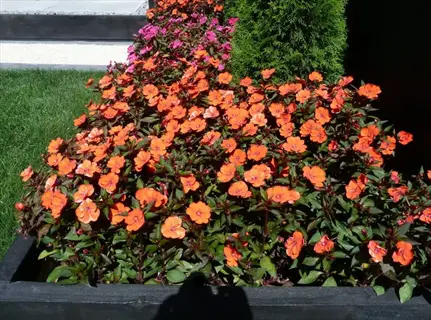
SunPatiens Compact Series
- Mildew Resistance: SunPatiens are a distinct hybrid group developed from New Guinea impatiens genetics, giving them natural resistance to downy mildew without special breeding interventions.
- Light Needs: Unlike most impatiens, SunPatiens thrive in full sun to partial shade, making them the top choice for gardeners who want impatiens color in sunny landscape spots.
- Size Range: The compact series stays at 18 to 24 inches (46 to 61 centimeters) tall and wide, while vigorous types can exceed 36 inches (91 centimeters) in optimal conditions.
- Color Options: SunPatiens offer vibrant shades including electric orange, hot pink, magenta, red, rose, lilac, and white, with colors that intensify in brighter light conditions.
- Best Use: Plant SunPatiens in mixed sun borders, large containers on sunny patios, and landscape beds that receive 6 or more hours of direct sunlight each day.
- Growing Tips: Water SunPatiens more often than shade varieties because full sun exposure increases moisture loss, providing about 4 inches (10 centimeters) of water per week in hot weather.
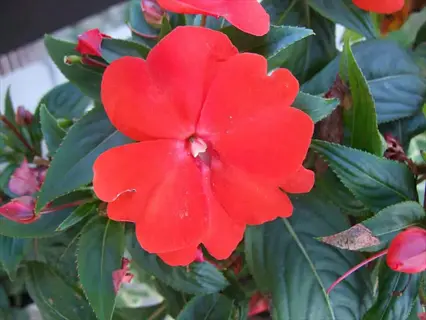
New Guinea Hybrids
- Mildew Resistance: New Guinea impatiens (Impatiens hawkeri) are naturally resistant to the downy mildew pathogen that devastates standard walleriana types in humid conditions.
- Light Needs: These plants tolerate more sunlight than walleriana, performing best with 4 to 6 hours of morning sun and afternoon shade in most climate zones.
- Size Range: New Guinea impatiens grow 12 to 24 inches (30 to 61 centimeters) tall with flowers up to 3 inches (8 centimeters) in diameter, larger than standard types.
- Color Options: Flowers come in bold shades of orange, pink, purple, red, salmon, and white, often paired with striking dark green to bronze foliage that adds ornamental interest.
- Best Use: Showcase New Guinea impatiens in prominent container displays, hanging baskets, and window boxes where their large flowers and colorful foliage create maximum visual impact.
- Growing Tips: Most New Guinea impatiens are propagated by cuttings rather than seed, so purchase transplants from nurseries for the most reliable and true-to-type results.
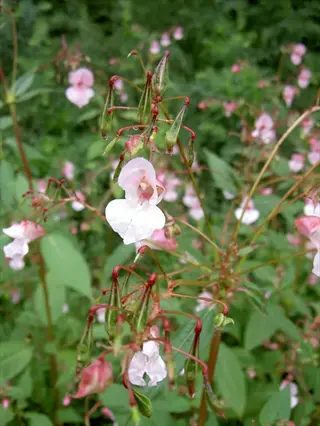
Rockapulco Double Series
- Mildew Resistance: Rockapulco impatiens show moderate resistance to downy mildew as an interspecific hybrid, though they perform best in well-ventilated locations with good air circulation.
- Light Needs: These double-flowered beauties prefer partial shade with 2 to 4 hours of soft morning light, similar to standard walleriana requirements for optimal bloom production.
- Size Range: Plants grow in compact mounds to 10 to 16 inches (25 to 41 centimeters) tall and wide, forming tidy mounds that work well as accent plants or container centerpieces.
- Color Options: Rockapulco flowers resemble miniature roses with fully double petals in shades of cherry red, coral, orange, purple, and white that add elegance to shade displays.
- Best Use: Feature Rockapulco impatiens in decorative pots, hanging baskets, and window boxes where the rose-like double blooms can be appreciated up close by visitors and passersby.
- Growing Tips: Keep soil at a consistent moisture level and provide balanced fertilizer every two to three weeks during the growing season to support the energy demands of continuous double blooming.
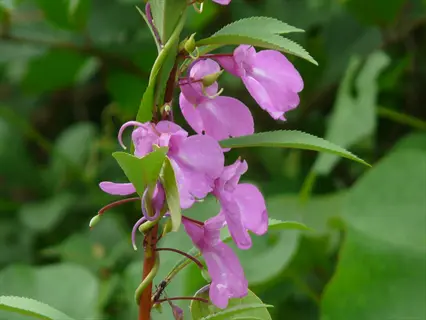
Garden Balsam
- Mildew Resistance: Garden balsam (Impatiens balsamina) is susceptible to downy mildew but its upright growth habit and different planting sites often reduce exposure to the water mold pathogen.
- Light Needs: Balsam tolerates more sun than walleriana, growing well in partial shade to almost full sun locations that receive up to 6 hours of direct light daily.
- Size Range: Plants grow upright to 12 to 30 inches (30 to 76 centimeters) tall with a narrow columnar form, very different from the mounding habit of other impatiens types.
- Color Options: Flowers bloom close to the stem in shades of pink, purple, red, white, and bicolors, creating a distinctive vertical display that resembles small camellias along the stalk.
- Best Use: Garden balsam works great in cottage garden borders, along fences, and in mixed annual beds where its upright form provides height contrast against low-growing companions.
- Growing Tips: Direct sow balsam seeds outdoors after the last frost or start indoors 6 to 8 weeks before planting out, as balsam seeds sprout with less effort than walleriana.
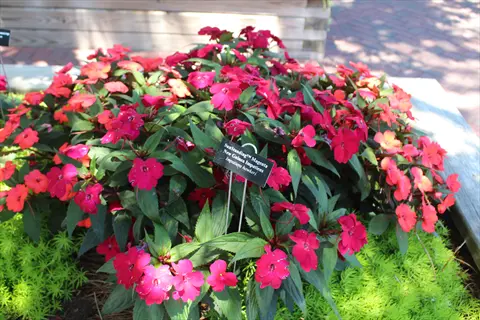
SunStanding Series
- Mildew Resistance: SunStanding impatiens are New Guinea type hybrids that carry natural downy mildew resistance while offering improved performance in university extension flower trials.
- Light Needs: These plants perform well in partial shade to partial sun, handling 4 to 6 hours of light and showing strong heat tolerance in warmer southern growing zones.
- Size Range: SunStanding plants reach 24 to 30 inches (61 to 76 centimeters) tall and up to 20 inches (51 centimeters) wide, providing substantial presence in landscape plantings.
- Color Options: The series features rich, saturated colors including lavender, orange, pink, salmon, and electric purple, with dark green foliage that creates attractive contrast.
- Best Use: Use SunStanding impatiens in large mixed containers, landscape borders, and garden beds where their tall stature provides a backdrop for shorter shade annuals in front.
- Growing Tips: Provide consistent moisture and apply a slow-release fertilizer at planting time, then supplement with liquid fertilizer every two weeks during peak summer growing months.
Your best choice depends on where you plan to plant. Shaded beds do best with Beacon or Imara XDR. Sunny spots call for SunPatiens or SunStanding. And if you want that vintage cottage garden feel, balsam adds a charm that no other type can match.
Planting and Growing Impatiens
Knowing when to plant impatiens saves you from wasted money and dead plants. Your soil must reach at least 60°F before you put transplants in the ground. In northern states that means late May or even June. Southern gardeners in USDA Zones 8 and above can start planting impatiens as soon as late March.
I hold all my new impatiens for 5 to 14 days in a shaded spot before they go into the garden. This quarantine period lets you watch for downy mildew signs before the plants join your beds. Where to plant impatiens matters just as much as when. Pick a spot with moist soil, a pH between 6.0 and 6.5, and filtered light for walleriana types.
Good plant spacing keeps your impatiens healthy and full. Set walleriana types 8 to 12 inches apart and New Guinea types 12 to 18 inches apart. Tight spacing fills in beds faster but also traps moisture and invites disease. For growing impatiens outdoors with success, work some compost into the top few inches of soil before you plant.
Harden off your indoor seedlings over 7 to 10 days before planting them outside. Set them in a shaded spot for a few hours each day and bring them back inside at night. In my experience, skipping this step causes transplant shock that sets your plants back by weeks. Your local frost date drives the whole planting schedule, so check yours and work backward from there.
Impatiens Care Essentials
Good impatiens care shifts with the seasons and that catches many new growers off guard. These plants are low maintenance compared to most annuals, but they still need the right amounts of water and food at the right times. I learned the hard way that ignoring small care details leads to weak stems and faded blooms by midsummer.
Watering impatiens is the single most important task you'll handle all season. Give your plants about 2 inches of water per week during normal weather. Push that up to 4 inches per week when temps climb above 80°F. Container plants dry out faster and may need water every single day during heat waves. If you notice impatiens leaves turning yellow, check the soil moisture first because that's the top cause.
Fertilizing impatiens starts at planting time with a slow release granular mix in the soil. Feed container plants with liquid fertilizer every 2 to 3 weeks through summer. Pruning impatiens keeps them bushy and full. Clip the top 2 inches of each stem above a leaf node once plants reach 6 inches tall. This one trick stops leggy growth and pushes out more side branches.
Spring Establishment
- Planting: Wait until soil temperatures reach at least 60°F and all threat of frost has passed before transplanting impatiens outdoors into garden beds or containers.
- Watering: Keep new impatiens at a steady moisture level with about 1 inch of water every 3 to 4 days to help roots establish in their new growing location.
- Feeding: Apply a balanced slow release granular fertilizer at planting time, working it into the top layer of soil around each plant without disturbing the delicate root system.
Summer Peak Season
- Watering: Increase watering to 2 inches per week during normal summer weather, and up to 4 inches per week when temperatures exceed 80°F.
- Pinching: Clip the top 2 inches of stems above a leaf node when plants reach 6 inches tall to encourage branching and a bushier, more compact growth habit.
- Monitoring: Check plants on a regular basis for signs of downy mildew, yellow leaves, wilting, or pest damage from aphids and spider mites, addressing any issues before they spread.
Fall Transition
- Watering: Cut back watering as temperatures cool and growth slows, but continue to keep soil a bit moist until the first frost ends the growing season outdoors.
- Cuttings: Take 4 to 6 inch stem cuttings from healthy plants in early fall before frost arrives if you plan to overwinter impatiens indoors for the next year.
- Cleanup: Remove and dispose of all impatiens plant material after frost kills the foliage, since downy mildew oospores can persist in the soil if infected debris stays behind.
Winter Indoor Care
- Light: Place overwintered impatiens or rooted cuttings in a bright location with indirect light, avoiding direct sun through windows that can scorch the tender indoor foliage.
- Watering: Reduce watering to when the top inch of soil feels dry, as indoor plants use far less water during the shorter days and cooler conditions of winter.
- Temperature: Maintain indoor temperatures above 50°F and between 65 and 70°F for healthy winter growth until spring replanting time arrives.
Downy Mildew Prevention
Impatiens downy mildew rocked the gardening world when it hit hard in 2012. The pathogen behind it is Plasmopara obducens, a water mold and not a true fungus. Standard fungicides won't touch it because they target fungi, not water molds. Think of this disease like a problem that needs its own treatment plan.
Symptoms can hide for 5 to 14 days after infection, which is what makes this disease so sneaky. Your plants may look perfect at the garden center but carry the mold home with them. I now treat every new purchase like a patient in quarantine. Hold your new impatiens in a separate spot and watch them for 2 weeks before you plant them near your garden beds.
In my experience, the warning signs show up fast once you know what to look for. Leaves that curl downward and turn pale green or yellow tell you something is wrong. A white fuzzy coating on the bottom of leaves confirms the mold is active. Stems may collapse and the whole plant can die within days once impatiens pests and diseases take hold.
Act fast if you spot infected plants in your garden. Pull out every impatiens within a 3 foot radius of the sick plant and bag them for the trash. Never toss infected material in your compost pile since home compost doesn't get hot enough to kill the oospores. Those spores survive in the soil and can attack your plants next season too.
Your best defense is choosing mildew resistant impatiens from the start. Beacon, Bounce, and Imara XDR are top disease resistant impatiens picks. They all passed university trials with strong results. New Guinea types also fight off the mold on their own. I switched to these types 5 years ago and haven't lost a plant since.
Shade Garden Companions
You get the best results when you pair impatiens with impatiens companion plants that share their love of shade and moisture. I've tested dozens of plant combos over the years and found that the pairings below create the most striking displays. Your shade garden plants should fill 3 roles: ground cover, mid height filler, and tall backdrop.
A cottage garden or woodland garden theme works best with impatiens at the center of the design. Use shade annuals like lobelia and torenia to fill gaps at ground level. Then bring in foliage stars like coleus and caladium for bold color that lasts even when flowers take a break. Container combinations with 3 to 5 plants in a single pot create a full display that sits on your porch all season long.
Coleus for Foliage Contrast
- Pairing Benefit: Coleus provides bold, colorful foliage in shades of burgundy, chartreuse, and copper that creates a stunning visual contrast against the solid green leaves and bright blooms of impatiens.
- Growing Conditions: Both coleus and impatiens thrive in partial shade with moist, well drained soil and similar watering needs, making them one of the easiest shade garden companion combos.
- Design Tip: Place taller coleus varieties behind shorter impatiens to create a layered effect, or mix them in containers for a combo that provides both flower color and foliage drama.
Ferns for Texture Variety
- Pairing Benefit: The feathery fronds of shade loving ferns provide a different texture that makes the rounded blooms and smooth leaves of impatiens stand out even more in your beds.
- Growing Conditions: Most garden ferns share the same love of shade and steady moisture as impatiens, though ferns prefer a bit more humidity and don't need fertilizer as often.
- Design Tip: Use upright ferns like autumn fern or Japanese painted fern as vertical accents behind a carpet of low growing impatiens to add height and structure to shaded beds.
Hostas for Bold Leaves
- Pairing Benefit: Large hosta leaves in blue green, gold, or mixed patterns create a dramatic backdrop that highlights the smaller, bright flowers of impatiens planted in front.
- Growing Conditions: Hostas and impatiens are classic shade garden partners because both prefer partial to full shade and rich, moist soil with steady watering through the growing season.
- Design Tip: Ring large hosta clumps with a border of colorful impatiens to brighten the base of these foliage focused perennials and add steady flower color to the planting.
Caladiums for Tropical Color
- Pairing Benefit: Caladium leaves in striking mixes of pink, red, white, and green add a tropical feel that pairs well with the cheerful blooms of impatiens in warm season shade gardens.
- Growing Conditions: Both caladiums and impatiens are warm season plants that cannot tolerate frost, so they share the same planting timeline and get removed together when cold arrives.
- Design Tip: Combine pink and white caladiums with matching pink or white impatiens for a coordinated single color shade garden that looks polished and planned from the start.
Wax Begonias for Reliability
- Pairing Benefit: Wax begonias share similar growing needs and bloom timing with impatiens while offering a different flower shape and glossy foliage that adds variety to shade beds.
- Growing Conditions: Both plants perform well in partial shade with moist soil, and Iowa State Extension lists wax begonias as one of the best alternatives in downy mildew affected areas.
- Design Tip: Alternate rows or clusters of impatiens and wax begonias in border plantings to create a ribbon effect of contrasting flower forms that provides visual rhythm along pathways.
Mix and match these companions based on what your garden needs. A shaded porch pot with impatiens, coleus, and a trailing fern gives you color and texture without a big bed to fill.
Propagation Methods
Impatiens propagation gives you free plants for next season if you know the right methods. I start new plants every fall and it saves me a good chunk of money each spring. You have 2 main options: starting impatiens from seed or rooting stem cuttings in water.
For seeds, start walleriana types indoors 8 to 10 weeks before your last frost date. Press seeds onto the surface of moist seed starting mix but don't cover them. They need light to sprout. Keep the germination temperature between 72 and 77°F and expect sprouts in 5 to 15 days. Balsam seeds are easier and you can direct sow them outside after frost passes. Most New Guinea impatiens don't come true from seed, so buy transplants or use cuttings for those types.
Impatiens cuttings work great for all types and give you exact copies of your favorite plants. Snip a healthy stem about 4 to 6 inches long just below a leaf node. Strip the bottom leaves and place the cutting in a glass of water. One trick I swear by is letting your tap water sit for 24 hours before using it. This lets the chlorine gas off and gives your cuttings a better start.
Change the water every few days and watch for roots to form in about 2 to 3 weeks. Once roots reach an inch long, pot them up in moist soil and keep them in bright indirect light. Self-seeding impatiens also pop up on their own in warm climates where seed pods burst and scatter seeds nearby. You can collect these volunteers in spring and move them where you want.
In my experience, cuttings root faster and produce stronger plants than seeds for most home gardeners. Seeds work best when you want large numbers of walleriana or balsam plants on a tight budget.
5 Common Myths
Impatiens cannot grow in any sunlight and must be kept in complete darkness or total shade at all times to survive.
Impatiens actually prefer partial shade with 2 to 4 hours of filtered or dappled sunlight daily, and New Guinea types can handle even more direct light.
Spraying regular fungicides on impatiens will effectively prevent and treat downy mildew disease in your garden beds.
Downy mildew is caused by a water mold called Plasmopara obducens, not a true fungus, so standard fungicides designed for fungal diseases will not work against it.
All impatiens varieties are equally vulnerable to downy mildew and there is no way to grow them safely anymore.
Disease-resistant cultivars like Beacon, Bounce, Imara XDR, and SunPatiens have been developed specifically to resist downy mildew and perform reliably in gardens.
Impatiens are toxic to household pets and should never be planted in gardens where dogs or cats roam freely.
Impatiens are classified as non-toxic to dogs, cats, and horses according to NC State University Extension, making them one of the safest flowering plants for pet owners.
You must deadhead impatiens regularly by removing spent blooms one by one or they will stop flowering entirely.
Impatiens are self-cleaning flowers that drop spent blooms on their own and continue producing new flowers without any deadheading throughout the growing season.
Conclusion
Impatiens flowers earn their place as the top shade garden choice when you pick the right types and follow a few simple steps. Start with impatiens varieties that resist downy mildew like Beacon, Bounce, or Imara XDR. These cultivars brought impatiens back from the brink after the mildew crisis hit gardens across the country.
Good impatiens care comes down to steady water, the right fertilizer schedule, and a quick pinch when stems get tall. Pair your impatiens with coleus, ferns, hostas, and caladiums for a layered look. In my experience, these simple combos turn a basic bed into a shade garden that pops with color and texture.
These flowers remain some of the easiest plants for beginners to grow well. You just need shade, moisture, and a resistant variety to get started. I've seen first time gardeners produce gorgeous beds in their very first season with just these basics. The genus has over 1,000 species and new cultivars hit the market each year, so your options keep growing.
Grab a few resistant plants this spring, tuck them into your shadiest spots, and watch them fill your beds with color from May through October. Your shade garden deserves the blooms that only impatiens can bring.
External Sources
Frequently Asked Questions
Do impatiens like sun or shade?
Impatiens prefer partial to full shade, thriving with 2 to 4 hours of filtered sunlight per day. Standard walleriana types scorch in direct afternoon sun, while New Guinea impatiens and SunPatiens tolerate more light.
Do impatiens come back every year?
Impatiens are tender perennials hardy only in USDA Zones 10 to 11, so they grow as annuals in most climates. They may self-seed in warm regions but do not reliably return from roots after frost.
Where not to plant impatiens?
Avoid planting impatiens in full sun locations, waterlogged soil, areas with poor air circulation, or sites where downy mildew infected plants grew previously, as oospores persist in the soil.
Why are they called impatiens?
The name comes from the Latin word meaning impatient, referring to the way mature seed pods burst open explosively at the slightest touch, flinging seeds several feet away.
Do impatiens need to be watered every day?
In-ground impatiens generally need about 2 inches (5 centimeters) of water per week and do not require daily watering. Container impatiens may need daily watering, especially when temperatures exceed 80°F (27°C).
How to keep impatiens blooming?
Keep impatiens blooming by providing consistent moisture, feeding with a balanced slow-release fertilizer, pinching back leggy stems above a leaf node, and maintaining partial shade conditions.
Do impatiens grow better in pots or in the ground?
Impatiens perform well in both settings. In-ground plants need less frequent watering, while potted impatiens offer better drainage control and can be moved to follow ideal light conditions.
How to care for impatiens in winter?
Before the first frost, take stem cuttings or bring entire potted plants indoors. Place them in a bright location with indirect light and reduce watering while maintaining temperatures above 50°F (10°C).
Do impatiens spread?
Impatiens spread moderately through lateral stem growth, forming mounds 12 to 24 inches (30 to 61 centimeters) wide. They also spread through self-seeding when seed pods burst open and scatter seeds nearby.
Do impatiens do well indoors?
Impatiens can grow indoors with bright indirect light, consistent moisture, and temperatures between 65 and 75°F (18 to 24°C). They work well as seasonal houseplants during winter months.