
The question of mint sun or shade has a simple answer: mint does best in partial shade with about 4 to 6 hours of gentle morning sunlight. Full afternoon sun can stress the plant, while deep shade makes it leggy and weak. A bright spot that gets direct light before noon and filtered shade after that is the sweet spot for most mint varieties.
Knowing your mint light requirements helps you pick the right spot from the start. I tested this myself by growing spearmint in three locations one summer. The pot in full afternoon sun had scorched brown leaf edges within two weeks. The one tucked in full shade grew tall and spindly with pale leaves. But the pot on my east-facing porch looked lush and green all season long with zero leaf damage.
Mint evolved as an understory plant near streams, riverbanks, and wetlands. It spent thousands of years growing under taller plants and trees where it got dappled light and consistent moisture. This history explains why harsh direct sun dries out the soil too fast and burns the soft leaves. The plant just isn't built for baking heat the way rosemary or thyme can handle it.
USU Extension data shows that mint produces the best essential oil content in mint partial shade with morning sun. The oils that give mint its strong flavor develop better when the plant stays cool. If you grow mint for cooking or tea, this detail matters more than most people think.
East-Facing Wall or Porch
- Morning sun exposure: Gives mint the 4 to 6 hours of gentle direct light it prefers before the intense afternoon heat kicks in.
- Natural afternoon shade: The wall or structure blocks hot western sun, mimicking the dappled light mint grows under in the wild.
- Soil stays cooler: Less direct heat means the soil holds moisture longer, so you won't need to water as often during summer.
Under Taller Garden Plants
- Filtered light all day: Tomatoes, sunflowers, or trellised beans cast partial shade that keeps mint happy and productive beneath them.
- Companion benefit: Mint's strong scent helps repel pests from the taller plants, creating a win-win garden setup.
- Moisture retention: The canopy above slows evaporation from the soil surface, keeping roots consistently moist.
Full Sun Adaptation
- Water increase needed: Provide 1 to 2 inches (2.5 to 5 cm) of water per week to prevent wilting and leaf scorch in hot conditions.
- Mulch the base: A 2-inch (5 cm) layer of organic mulch keeps roots cool and slows moisture loss from the top of the soil.
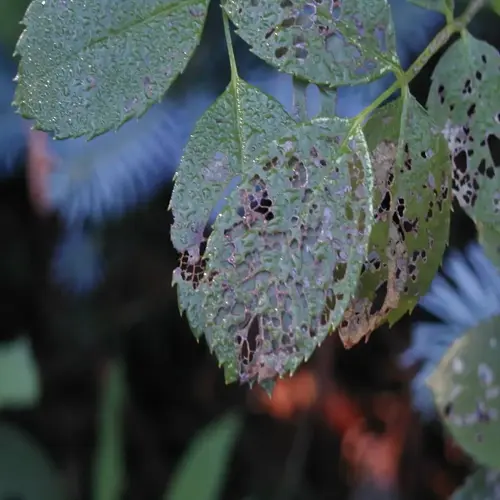
- Watch for stress signs: Curling leaves, brown edges, and drooping stems mean your mint is getting too much direct sun exposure.
If your garden only offers full sun, don't give up on mint. Keep the soil moist with 1 to 2 inches (2.5 to 5 cm) of water per week and spread a thick layer of mulch around the base. Straw or shredded bark works great for holding moisture in. You can also group your mint pot behind taller containers to create a bit of afternoon shade without rearranging your whole garden layout.
Container-grown mint has an advantage here because you can move the pot throughout the day. Start it in morning sun on your east side and shift it to a shadier spot after lunch. This takes about ten seconds and keeps your mint in perfect light conditions all summer long. Scooting the pot a few feet under a patio umbrella makes a clear difference on hot days.
Mint forgives bad light spots. Good light, though, makes a huge difference. Give it morning sun and afternoon shade. Keep the soil damp. You'll have a thick patch of fragrant mint that lasts for years. The right light turns an average mint plant into one that overflows your recipes all season.
Read the full article: Mint Plant: How to Grow and Care for It