
The most common mint plant problems are mint rust, aphid swarms, root rot, powdery mildew, and yellow leaves. Mint is tough, but these issues show up often enough that every grower hits at least one. Catching them early makes the difference between a quick fix and losing your whole plant.
I ran into my first real problem when orange-brown bumps showed up under my spearmint leaves one humid August. That was mint rust. It spread to a third of my plant before I caught it. I cut every sick stem down to the soil, thinned the plants for more airflow, and stopped watering from above. The mint came back clean within a month and looked great the next spring. That taught me to check leaf undersides during my weekly garden walk.
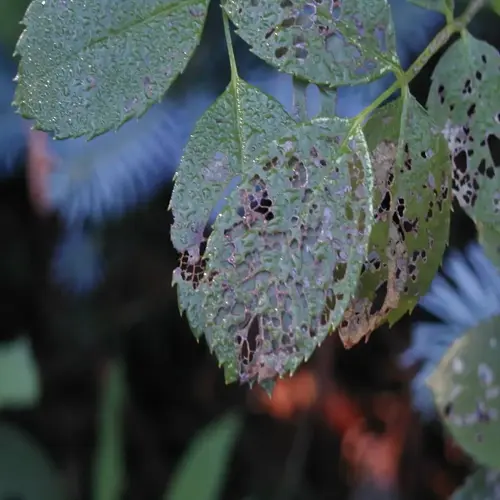
Mint pests diseases cover a wide range of threats to your plants. USU Extension lists anthracnose, mint rust, and verticillium wilt as the top diseases. On the bug side, aphids, flea beetles, spider mites, and cutworms do the most harm. Aphids cluster on new growth and drain sap from soft stems. Flea beetles chew tiny holes in your leaves. Spider mites spin fine webs under leaves and make yellow dots on the surface.
Mint Rust
- What you see: Orange or brown bumps on leaf undersides. Leaves may curl, turn yellow, or fall off your plant early.
- How to fix it: Cut all sick stems at the base and throw them away. Don't compost them since rust spores survive the process.
- How to prevent it: Space your plants 12 inches (30 cm) apart for airflow. Water the soil, not the leaves.
Aphids and Spider Mites
- What you see: Clusters of tiny bugs on stem tips, or fine webbing and yellow dots under the leaves from spider mites.
- How to fix it: Spray with neem oil or soap spray every 5 to 7 days until the bugs are gone. Blast aphids off with water first.
- How to prevent it: Check new growth tips each week. Treat at the first sign before bug numbers get out of hand.
Root Rot
- What you see: Leaves yellow and wilt even though the soil is wet. Stems feel soft at the base. Roots look brown and mushy.
- How to fix it: Repot into fresh, draining soil with a pot that has holes in the bottom. Trim away all brown roots first.
- How to prevent it: Let the top inch dry between waterings. Never leave pots in standing water for more than 30 minutes.
Powdery Mildew
- What you see: White powder coating on leaf surfaces, often on older leaves near the base of your plant in humid weather.
- How to fix it: Pull off sick leaves. Spray the rest with 1 tablespoon baking soda mixed into a quart of water.
- How to prevent it: Give your plants more space for air flow. Water at the soil line to keep leaves dry.
Mint troubleshooting starts with a quick check each week. Flip several leaves to look for rust bumps, bug clusters, or webbing. Squeeze the base of a few stems to feel for softness from rot. Check the overall color of your plant. Even yellowing often means too much water. Yellow spots with green veins point to a nutrient gap instead.
Most mint problems come from wet leaves or poor airflow around the plant. Water at the soil level, not from above. Space plants at least a foot apart. Cut out dead or crowded stems to open up the center. I tested these habits over two full growing seasons and saw a huge drop in fungal issues. These simple steps stop most problems before they start and keep your mint healthy all year.
Read the full article: Mint Plant: How to Grow and Care for It