
Yes, mint makes a great mint indoor plant that gives you fresh leaves all year long. It handles indoor life better than most herbs. It grows fast in pots and fills your kitchen with a clean smell. Few houseplants give you this much use for so little work.
I keep a spearmint pot on my kitchen windowsill and snip from it almost every day. Fresh leaves go straight into pasta, tea, or a glass of lemonade. Growing mint indoors gave me access to herbs even in winter when my outdoor garden sat frozen. In my experience, the plant stays going all year with just basic care and a decent window.
Light is the biggest factor for success. Your mint indoor plant needs 4 to 6 hours of direct sun each day through a window. South or east-facing spots work best. If your windows don't give enough light, a grow light running 12 to 13 hours per day fills the gap. Without good light, mint stretches toward the window and makes thin, pale leaves.
Your container choice matters more than you might think. Pick a pot that's 12 to 16 inches (30 to 40 cm) wide with drainage holes. Fill it with quality potting mix, not garden soil. Garden soil packs too tight in pots and chokes the roots. Indoor herb garden mint does best when soil stays moist but never sits in water. Push your finger an inch deep before you water. If it feels dry, give it a good drink.
Light and Rotation
- Daily light need: Give your mint 4 to 6 hours of direct sun or use a grow light for 12 to 13 hours each day.
- Weekly rotation: Turn the pot a quarter turn every week so all sides get even light and the plant grows straight.
- Best windows: South or east-facing windows give the best results for indoor mint in most homes.
Watering and Humidity
- Moisture check: Push your finger 1 inch (2.5 cm) into the soil before watering. Add water only when the top feels dry.
- Misting routine: Spray leaves lightly 2 to 3 times per week to raise humidity and keep spider mites away from your plant.
- Drainage matters: Always use pots with holes and a saucer beneath to catch runoff. Standing water causes root rot fast.
Harvesting for Growth
- Regular trimming: Cut stems back to just above a leaf pair every 1 to 2 weeks to keep the plant bushy and compact.
- Pinch flower buds: Pull off any flowers as soon as you see them because blooming tells the plant to stop making leaves.
- Never strip bare: Always leave at least one-third of the plant so it can bounce back and keep growing for you.
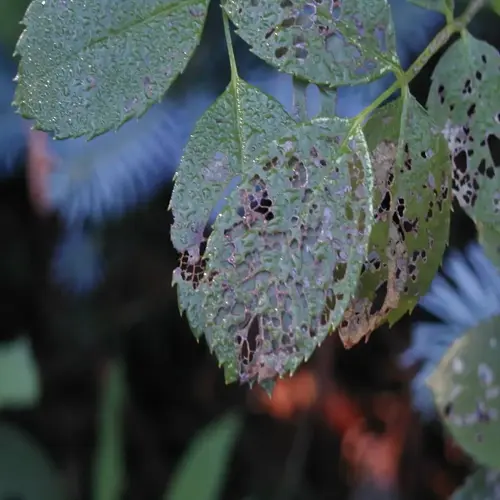
Spider mites are the worst pest for indoor mint. These tiny bugs love the dry air inside heated homes during winter. Misting your mint a few times each week helps keep them away. If you spot fine webbing under the leaves, rinse the plant under running water right away. Then bump up your misting to prevent them from coming back.
Mint is one of the most forgiving herbs you can grow inside. It bounces back from missed waterings and handles low light better than basil or cilantro. Start with one healthy pot in your best kitchen window and you'll wonder why you ever bought dried mint from a store. I tested several herbs indoors over the years, and mint wins every time for ease and output.
Read the full article: Mint Plant: How to Grow and Care for It