
Yes, your mint survive winter indoors just fine with a few simple changes to your care routine. The plant won't grow as fast as in summer. But it stays alive and keeps making leaves through the cold months. Good light, less water, and the right spot keep your mint going until spring.
I brought my patio spearmint inside one October before the first hard frost. It looked rough for the first two weeks and dropped a few lower leaves. Growth slowed to a crawl. But the plant never died on me. By mid-November it had settled in and started pushing out small, light-colored leaves at a steady pace. Overwintering mint inside takes some patience at first. The plant adjusts faster than you'd expect though.
Mint slows down in winter because of shorter days, not indoor temps. It enters a partial dormancy where it saves energy and grows fewer, smaller leaves. This is normal and not a sign of trouble. Keep indoor temps between 60°F and 70°F (15°C to 21°C) and your mint will be fine. The plant doesn't need cold to survive like some perennial herbs do.
Light is your biggest task for mint winter care through the dark months. Put your pot near a south-facing window that gets 4 to 6 hours of direct sun each day. If your windows fall short, a basic grow light running 12 to 13 hours per day fills the gap. Set the light about 6 inches (15 cm) above the plant for the best spread.
Timing the Move Indoors
- Temperature trigger: Bring mint inside before temps drop below 40°F (4°C) to avoid cold shock and leaf damage.
- Gradual shift: Move the pot to a shaded outdoor spot for a few days first, then to a bright indoor window over a week.
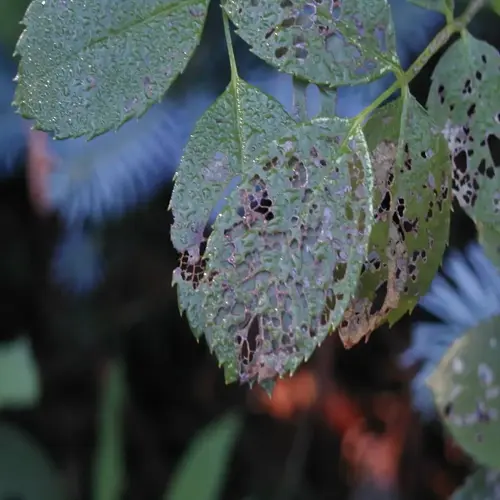
- Pest check: Inspect leaves top and bottom for aphids, spider mites, or whiteflies before bringing the plant inside.
Indoor Placement Rules
- Away from heat: Keep mint at least 3 feet (1 m) from heating vents and radiators that dry the air out fast.
- Humidity boost: Set the pot on a pebble tray filled with water to raise moisture around the plant during dry months.
- No cold drafts: Don't place mint right against a freezing window or near doors that let cold air blast through.
Watering Changes
- Less water needed: Cut back on watering since the plant uses less moisture with slower growth and lower light levels.
- Soil test first: Check the top inch of soil with your finger before adding water. Only water when it feels dry.
- No soggy roots: Too much water in winter causes root rot faster because the soil stays wet much longer indoors.
Skip feeding your indoor mint from November through February. The plant doesn't grow fast enough to use the nutrients. Extra fertilizer just builds up as salts in the soil. Start feeding again with a weak liquid fertilizer in early March. You can still harvest in winter, but take less each time. Never remove more than one-third of the plant during its slow phase.
When spring returns and nights stay above 50°F (10°C), start moving your mint back outside. I tested both sudden and gradual moves, and gradual always wins. Place the pot in shade for a few days before giving it full outdoor light. Your overwintered mint will have strong roots ready to burst with fresh growth once warm sun and longer days return.
Read the full article: Mint Plant: How to Grow and Care for It