
Introduction
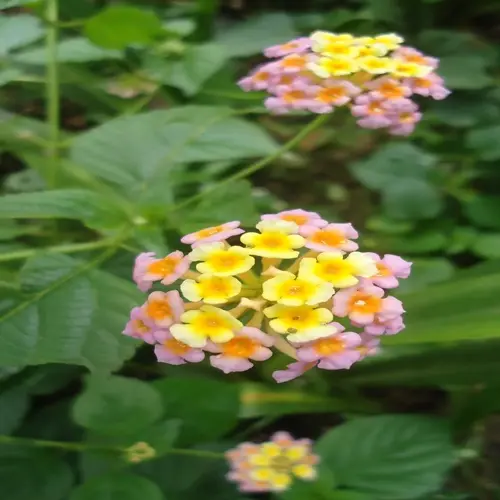
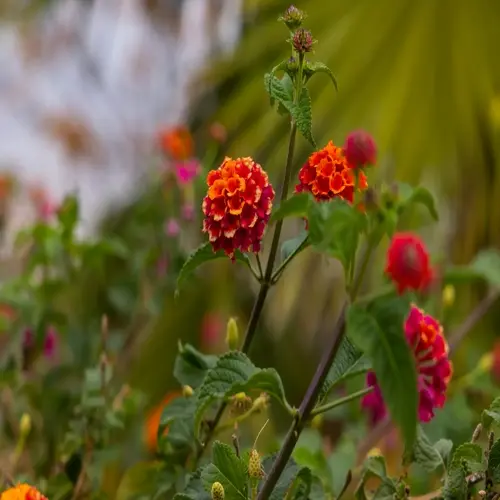
The lantana plant puts on one of the best color shows in any garden. Each flower cluster shifts from yellow to orange to red as it ages. You get multiple colors on a single stem at the same time. Yet this gorgeous flowering shrub also sits on the IUCN's list of 100 World's Worst Invasive Species. Roughly 650 varieties now grow across more than 60 countries.
I've grown lantana camara in my own beds for over 8 years now. It thrives on neglect and still pumps out nonstop blooms from spring through frost. Butterflies, hummingbirds, and bees crowd around it all summer, which makes it a must have for any pollinator garden. But I also watched it pop up in spots where I never planted a thing. That's when I learned why some regions treat this plant with real caution.
Most guides gloss over the invasive side of lantana. This one doesn't. You'll learn how to grow lantana the right way and pick the best varieties for your climate. You'll also find out when sterile cultivars are the smarter choice. UF/IFAS researchers spent over 15 years breeding new varieties. These give you all the color and pollinator value without the risk of spreading.
Think of lantana as a garden guest that overstays its welcome in warm tropics. In colder zones, frost keeps it in check just fine. You can grow it as a perennial down south or as an annual up north. This guide covers planting, care, and safety so you can enjoy this tough, low maintenance flowering shrub with full confidence.
8 Best Lantana Varieties
Not all lantana varieties behave the same way in your garden. Some stay compact in pots while others spread into large shrubs. The biggest choice you face is between sterile lantana varieties that can't spread seeds and older types that self sow. I've tested many of these and the Bloomify series is my top pick for anyone worried about invasive risk.
This list covers the 8 best lantana for containers, beds, groundcover, and butterfly gardens. Each entry shows exact size, colors, and seed status. Butterfly trials at Auburn helped shape several of my picks. Miss Huff scored the highest for pollinator visits. You'll find 3 UF/IFAS sterile options in the Bloomify series too. The Bandana series and lantana montevidensis fill in the rest.
Bloomify Red (Sterile)
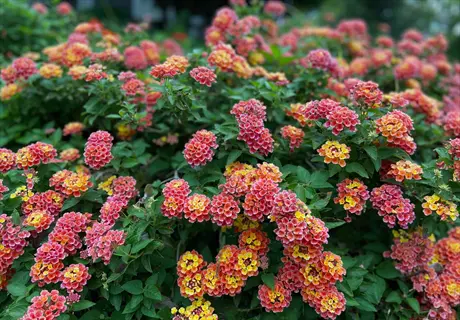
- Growth Habit: Compact mounding form reaching 20 to 24 inches (50 to 60 centimeters) tall and wide, making it ideal for containers and border edges.
- Flower Color: Rich red blooms with golden-yellow centers that create a bold two-tone display throughout the growing season from late spring to first frost.
- Sterile Status: Developed by UF/IFAS through 15 years of research, this cultivar produces no viable seeds or pollen and will not hybridize with native lantana species.
- Best Use: Perfect for gardeners in Florida, Texas, and Hawaii where traditional lantana is restricted or discouraged due to invasive concerns.
- Pollinator Value: Attracts butterflies, hummingbirds, and bees with nectar-rich tubular flowers clustered in dome-shaped heads of up to 30 individual blooms.
- Care Notes: Thrives in full sun with well-drained soil and requires no deadheading since it cannot set seed, reducing maintenance compared to fertile varieties.
Bloomify Rose (Sterile)
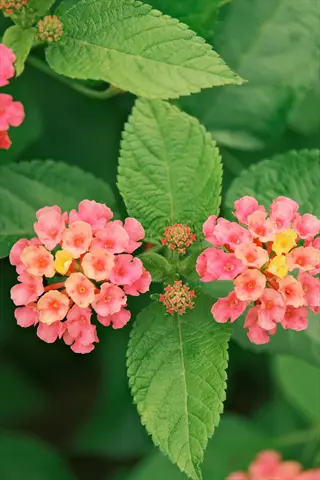
- Growth Habit: Compact mounding habit similar to Bloomify Red at 20 to 24 inches (50 to 60 centimeters) tall, well-suited for mass planting in landscape beds.
- Flower Color: Soft rose-pink petals with warm yellow centers provide a gentler color palette compared to the bold Bloomify Red variety.
- Sterile Status: Another UF/IFAS certified non-invasive cultivar released in 2016 that is non-seeding, non-fruiting, and safe for eco sensitive regions.
- Best Use: Excellent choice for mixed borders and foundation plantings where a softer color scheme blends with pastel companion plants like lavender and salvia.
- Pollinator Value: Produces abundant nectar that supports butterfly populations, making it a responsible alternative for pollinator gardens in warm climates.
- Care Notes: Performs best with at least 6 to 8 hours of direct sunlight daily and tolerates drought once the root system is fully established after the first season.
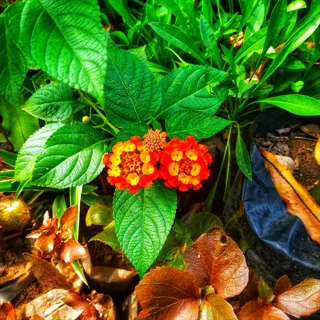
Luscious Royale Red Zone (Sterile)
- Growth Habit: Vigorous mounding form that reaches 24 to 36 inches (60 to 90 centimeters) tall and spreads up to 36 inches wide, offering substantial garden presence.
- Flower Color: Deep crimson-red flowers that maintain bold color even in intense summer heat without fading, unlike some traditional red lantana cultivars.
- Sterile Status: Released in 2019 as the newest UF/IFAS certified sterile variety, representing the latest advancement in non-invasive lantana breeding technology.
- Best Use: Works great as a standalone specimen plant, in large mixed containers on patios, or as a heat-tolerant hedge along walkways and driveways.
- Pollinator Value: The intense red coloring is a strong draw for hummingbirds, which are drawn to red tubular flowers more than any other color in the garden.
- Care Notes: Salt tolerant and very heat resistant, making it a great fit for coastal landscapes and hot southern exposure garden beds.
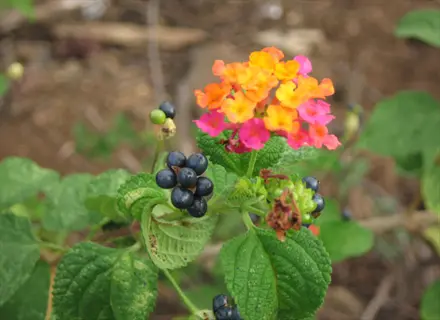
Dallas Red
- Growth Habit: Large spreading shrub that can reach 48 to 72 inches (120 to 180 centimeters) tall in frost-free climates, creating a dramatic garden focal point.
- Flower Color: Flowers open golden yellow and transition through orange to deep red as they mature, displaying all three colors simultaneously in each flower cluster.
- Cold Hardiness: One of the most cold-tolerant lantana varieties, surviving winter temperatures down to about minus 2 degrees Celsius (28 degrees Fahrenheit) in protected spots.
- Best Use: Ideal for large landscape beds, hillside erosion control, and naturalized areas where its vigorous growth habit can fill space without crowding other plants.
- Pollinator Value: The multicolored bloom clusters attract a wide range of pollinators, with different insects preferring different flower ages and their corresponding colors.
- Care Notes: This is a seed-producing variety, so check local invasiveness regulations before planting and consider deadheading spent blooms to reduce unwanted self-seeding.
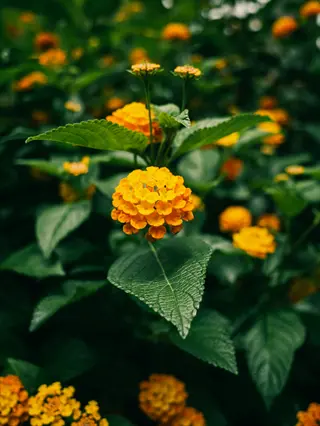
New Gold
- Growth Habit: Low-growing mounding form reaching just 18 to 24 inches (45 to 60 centimeters) tall with a spread of up to 36 inches, creating a dense carpet of color.
- Flower Color: Uniform bright golden-yellow blooms that do not change color as they age, providing a consistent single-tone display that pairs well with purple and blue companions.
- Heat Tolerance: Performs very well in extreme heat above 100 degrees Fahrenheit (38 degrees Celsius) where many other flowering plants struggle to maintain bloom production.
- Best Use: Outstanding choice for containers, window boxes, and as a low border plant along walkways where its compact size stays proportional without heavy pruning.
- Pollinator Value: The bright yellow blooms are a top draw for bees and butterflies, serving as a reliable nectar source from late spring through the first autumn frost.
- Care Notes: Benefits from monthly applications of balanced fertilizer at half the recommended rate during peak growing season to maintain continuous golden flower production.
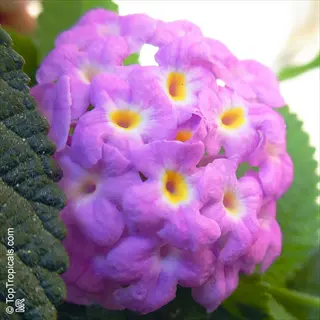
Lantana montevidensis (Trailing)
- Growth Habit: Low-growing trailing lantana form that reaches only 12 to 18 inches (30 to 45 centimeters) tall but spreads 36 to 48 inches wide, cascading over edges with ease.
- Flower Color: Clusters of lavender to purple flowers that bloom nonstop from late spring through fall, offering a cooler color option compared to typical warm-toned lantana.
- Species Distinction: This is a separate species from Lantana camara, with a natural trailing habit that makes it the preferred choice for hanging baskets and elevated planters.
- Best Use: Perfect for hanging baskets, stone wall cascades, elevated container edges, and slopes where its spreading habit provides living groundcover and erosion control.
- Pollinator Value: The lavender-purple blooms attract a wide range of butterfly species and provide important nectar resources during the hottest months when other flowers may fade.
- Care Notes: A bit less cold hardy than Lantana camara varieties, so plan to bring containers indoors or treat as an annual in USDA Zones 8 and below.
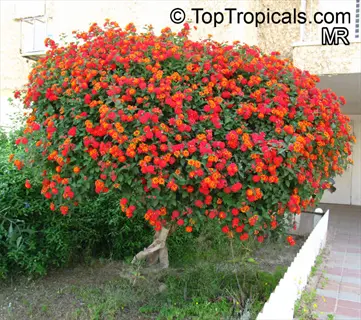
Miss Huff
- Growth Habit: Vigorous upright shrub reaching 48 to 72 inches (120 to 180 centimeters) tall and wide in favorable conditions, creating a substantial garden presence within one season.
- Flower Color: Orange, pink, and yellow multicolored clusters that create a warm sunset-inspired palette and continue blooming hard from late spring until hard frost arrives.
- Cold Hardiness: Recognized as one of the hardiest lantana cultivars available, with documented survival in USDA Zone 7 when planted in a protected, south-facing location with mulch.
- Best Use: Excellent as a large background shrub in butterfly gardens, along fences and property lines, or as a seasonal flowering hedge in warm and transitional climate zones.
- Pollinator Value: Auburn University butterfly trials identified Miss Huff as one of the top lantana varieties for attracting the highest number and greatest variety of butterfly visitors.
- Care Notes: Prune back hard to 6 to 12 inches (15 to 30 centimeters) above ground level in early spring before new growth begins, and it will regrow to full size fast.
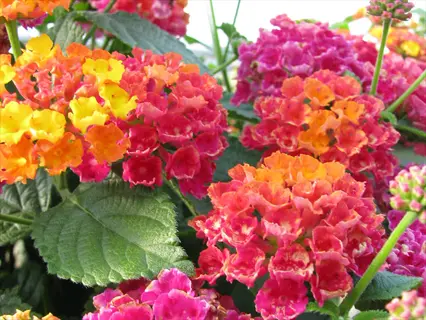
Bandana Cherry
- Growth Habit: Well-branched mounding plant reaching 18 to 24 inches (45 to 60 centimeters) tall and 20 to 24 inches wide, with a neat shape that seldom needs pruning.
- Flower Color: Deep cherry-red blooms with touches of orange and yellow at the center, creating a rich jewel-toned effect that stands out in both garden beds and container displays.
- Weather Resistance: Part of the Bandana series bred for exceptional weather tolerance, maintaining consistent bloom production through high heat, humidity, and brief dry periods.
- Best Use: Versatile enough for both landscape beds and large containers on decks or patios, with a compact size that works well in mixed plantings without overwhelming neighbors.
- Pollinator Value: The continuous flower production from late spring through fall provides a dependable season-long nectar source for butterflies, bees, and hummingbirds alike.
- Care Notes: Plant after all danger of frost has passed and soil temperatures have reached at least 60 degrees Fahrenheit (15.5 degrees Celsius) for the fastest establishment.
Your best choice depends on where you live and what your garden needs most. If you're in a warm state with invasive plant rules, go with one of the 3 sterile options from the Bloomify series or Luscious Royale. For cold climates where frost kills lantana each winter, any variety works since it won't have time to spread.
How to Grow Lantana
Knowing how to grow lantana starts with picking the right spot and timing. The plant wants lantana full sun of at least 6 to 8 hours each day. Anything less and you'll see weak stems and fewer blooms. I've tried growing it in partial shade and the results were poor every single time.
When to plant lantana depends on your region. Wait until all frost danger has passed and soil warms to at least 60°F (15.5°C). Lantana grows as a perennial in lantana hardiness zones 9 through 11 across the Southeast. Check local invasive rules first. The Southwest offers ideal conditions since lantana loves extreme heat. Midwest and Northeast gardeners should treat it as an annual and plant after the last spring frost.
Planting lantana follows a simple process. Start by picking a site with well-drained soil that won't stay soggy after rain. Sandy loam works best with a pH of 6.0 to 6.5, though lantana handles a huge range from 4.5 to 8.5. Dig a hole the same depth as the nursery pot and space plants 12 inches (30 centimeters) apart for mass planting. Larger varieties need 18 to 24 inches between them.
Set each plant at the same depth it sat in the pot. Water it in well right after planting to settle the soil around the roots. Add a thin layer of mulch to hold moisture during the first few weeks. After the roots take hold, lantana turns into one of the toughest plants in your garden and needs very little help from you.
You can also grow lantana from stem cuttings if you want to save money. Cut a 6 inch piece from a healthy stem in spring and stick it in moist potting mix. Roots form in several weeks. Skip growing from seed though. Germination rates sit between 4% and 20%, which makes it a frustrating waste of time for most gardeners.
Lantana Care and Maintenance
Good lantana care means doing less, not more. This plant rewards you when you keep your hands off it most of the year. I've killed more lantana with too much water and fertilizer than I ever lost to neglect. The key is knowing what to do in each season and, just as important, what to skip.
Watering lantana is simple once you know the rule. Let the top 1 to 2 inches of soil dry out before you water again. Too much moisture leads to root rot, which is the fastest way to lose a healthy plant. Fertilizing lantana works the same way. Apply a balanced fertilizer at half the label rate once a month during the growing season. More fertilizer means more leaves but fewer flowers, which is the opposite of what you want.
Lantana pruning keeps the plant tidy and full of blooms. Cut it back by one third in early spring before new growth shows up. Lantana deadheading through summer helps push more flowers on seed producing types. Sterile varieties don't need deadheading at all. Lantana pests diseases are rare but do happen. Check leaf undersides for whiteflies, aphids, spider mites, and lace bugs. Good air flow between plants is your best defense against powdery mildew and botrytis.
Lantana overwintering matters most in zones 7 and 8 where frost can damage roots. Pile 3 to 4 inches of mulch around the base after the first frost hits. Bring potted plants inside before nights drop below 50°F (10°C). The seasonal guide below walks you through each task so you'll always know what your lantana needs next.
Spring: Pruning and Planting
- Pruning: Cut back perennial lantana by one-third to one-half in early spring before new growth starts, removing all dead wood and crossing branches to improve air circulation.
- Planting: Wait until all danger of frost has passed and soil temperatures reach at least 60 degrees Fahrenheit (15.5 degrees Celsius) before transplanting nursery plants outdoors.
- Fertilizing: Apply a single dose of balanced all-purpose fertilizer at half the recommended label rate to give established plants a gentle boost as they break dormancy.
- Propagation: Take 6-inch (15-centimeter) stem cuttings from healthy new growth in mid to late spring, and roots should develop within several weeks in moist potting mix.
Summer: Watering and Monitoring
- Watering: Allow the top 1 to 2 inches (2.5 to 5 centimeters) of soil to dry out between waterings, as overwatering is the most common mistake that leads to root rot.
- Deadheading: Remove spent flower clusters every 1 to 2 weeks to encourage continuous blooming, though sterile varieties produce new flowers without needing deadheading.
- Pest Watch: Inspect undersides of leaves each week for whiteflies, aphids, and spider mites. Hot dry periods cause spider mite numbers to spike fast.
- Pinching: Pinch growing tips on young plants to encourage bushier growth and more branching, which results in a higher number of flower clusters per plant.
Fall: Preparation for Winter
- Overwintering Prep: In USDA Zones 7 and 8, apply a 3 to 4 inch (7.5 to 10 centimeter) layer of mulch around the base after the first frost to insulate roots through winter.
- Container Move: Bring potted lantana indoors before nighttime temperatures drop below 50 degrees Fahrenheit (10 degrees Celsius) on a consistent basis to prevent cold damage.
- Reduce Watering: Cut back on watering as temperatures cool and growth slows, allowing the plant to begin entering its natural dormancy cycle without stress.
- Final Cleanup: Remove any diseased or damaged foliage before winter to prevent fungal spores like powdery mildew and botrytis from carrying over on dead plant material.
Winter: Dormancy Management
- Indoor Care: Store overwintering lantana in a cool room between 50 to 60 degrees Fahrenheit (10 to 15.5 degrees Celsius) with minimal light and very sparse watering.
- Dormancy Signs: Expect leaf drop and what looks like dead stems above ground in perennial zones. This is normal behavior and not a sign that you've lost the plant.
- Root Protection: In marginal hardiness zones, the root system can survive if soil does not freeze deep, above all in south-facing spots near heated building walls.
- Planning Ahead: Use winter months to research sterile cultivar options and order plants early from nurseries, as popular varieties tend to sell out before spring planting.
Lantana Companion Plants
The right lantana companion plants turn a simple bed into a full pollinator garden. Lantana pairs best with other drought tolerant plants that love full sun and don't mind lean soil. I've learned this the hard way after losing shade loving companions planted too close to my lantana. The strong root system puts out chemicals that slow weak plants nearby, so your partners need to be tough.
Each pick below works well in a lantana landscape or as a pairing in pots. I grouped them by how they help you, from butterfly garden plants that boost pollinator traffic to foliage fillers that make your blooms stand out. Every one of these handles heat and drought as well as your lantana in pots or garden beds.
Pentas (Starcluster Flower)
- Why It Works: Pentas shares lantana's love of full sun and heat, blooming nonstop from spring through frost with star-shaped flowers that attract the same butterfly species.
- Design Pairing: Place pentas in front of taller lantana varieties to create a layered pollinator border with continuous color at multiple heights throughout the growing season.
- Color Coordination: Choose pink or red pentas to complement yellow or orange lantana, or white pentas to brighten a planting bed anchored by deep red Bloomify or Bandana Cherry.
Salvia (Ornamental Sage)
- Why It Works: Salvia thrives in the same hot, dry conditions as lantana and its tall flower spikes provide vertical contrast against lantana's rounded mounding growth habit.
- Design Pairing: Plant tall blue or purple salvia behind lantana to create a warm and cool color mix that draws pollinators from a wider distance across the yard.
- Color Coordination: The blue and purple tones of salvia create a striking contrast with lantana's warm yellow, orange, and red palette that shines in the summer garden.
Sweet Potato Vine
- Why It Works: This vigorous trailing plant fills in bare ground around upright lantana, creating a lush carpet of foliage that holds back weeds and keeps soil moisture in.
- Design Pairing: Combine chartreuse sweet potato vine with deep red or purple lantana in large containers for a dramatic color contrast that looks great with minimal effort.
- Color Coordination: The lime green or deep purple foliage of sweet potato vine provides non-flowering texture that makes lantana blooms the clear visual focal point of any display.
Zinnias
- Why It Works: Zinnias are fellow heat loving, sun demanding plants that produce bold blooms all summer and attract many of the same butterfly and bee species as lantana.
- Design Pairing: Use tall zinnia varieties as a backdrop behind lower growing lantana like New Gold or Bandana Cherry to create a vibrant cottage garden border display.
- Color Coordination: Zinnias come in almost every warm color, making it easy to match or contrast with any lantana variety for a pulled together or playful planting scheme.
Canna Lilies
- Why It Works: Canna lilies share lantana's tropical origins and heat tolerance, and their bold paddle shaped leaves add dramatic foliage texture that lantana's small leaves can't match.
- Design Pairing: Place tall cannas at the back of a border with lantana in the middle and trailing varieties at the front for a tropical layered effect that pops.
- Color Coordination: Tropicanna cannas with striped orange and purple foliage pair well with orange or red lantana for a bold tropical garden theme that thrives in summer heat.
Keep in mind that lantana produces chemicals in its roots that can slow down weaker plants. Stick with the robust companions listed above and you'll get a beautiful, full display all season long. These pairings also work in containers on patios or decks where space is limited.
Invasiveness and Sterile Cultivars
Lantana camara invasive spread is not a small problem. The IUCN lists it as one of the 100 World's Worst Invasive Species on the planet. Around 650 varieties now grow across more than 60 countries. This lantana weed has pushed out native plants in Australia, India, and South Africa. In Hawaii alone, dense lantana thickets have stopped rainforest recovery for up to 30 years.
Governments have spent over 2 centuries trying to get rid of lantana invasive growth. Scientists released 36 insect biocontrol agents across 33 countries with poor results. Lantana was the first weed ever targeted with biocontrol. Yet no program has achieved full success. This invasive species has impacted 12 IUCN Red List species so far, including 1 that went extinct and 3 that are now on the edge. In Florida, lantana shows up in 58 of 67 counties as a top 10 most troublesome weed.
The good news is that science offers a real solution. Dr. Zhanao Deng at UF/IFAS spent over 15 years breeding non-invasive lantana varieties. The result is a line of sterile lantana varieties that produce no viable seeds, no fruit, and can't cross with wild lantana. Bloomify Red and Bloomify Rose came out in 2016. Luscious Royale Red Zone followed in 2019. Each one gives you the same bright flowers and pollinator value as the old types without any spreading risk.
If you live in a warm state where lantana can survive winter, choose a sterile cultivar. It's the single most responsible choice you can make as a gardener. In cold zones where frost kills the plant each year, the invasive risk drops to near zero. Your local extension office can tell you the region specific rules for lantana where you live.
Lantana Toxicity and Safety
Many people ask is lantana poisonous and the answer is yes. You need to take lantana toxicity serious if you have pets, kids, or livestock. All parts of the plant contain toxic compounds called lantadene A, B, C, and D. These chemicals cause liver damage and sun sensitivity in animals that eat the leaves. Cattle, sheep, horses, goats, and buffalo are all at risk. UF/IFAS researchers warn that once symptoms show up, little or no treatment can reverse the damage.
Lantana safe for dogs is a common search, and the answer is no. Dogs that chew on lantana leaves or stems can get sick fast. Keep your pets away from the plant at all times. Children face the same risk and should never eat any part of the plant. The lantana safety rule is simple: look but don't touch or taste.
Berry toxicity is one area where science gives mixed signals. Some sources say ripe dark berries are safe while unripe green berries are lantana toxic and even lethal. Other research says the risk is low once berries turn dark blue. I treat all lantana berries as unsafe since the conflicting data makes it too risky to gamble on. If you have young children, pick a sterile variety that produces no berries at all.
Contact dermatitis is a risk for gardeners too. Lantana leaves and stems can cause skin redness, rash, and itching in some people. I always wear gloves when I prune my lantana and I suggest you do the same. Wash your hands right after handling the plant even if you don't feel any irritation.
Here's the twist. The same compounds that make lantana dangerous also show promise in medicine. Studies show lantana extracts can fight fungus and protect cells. They fight swelling in the body too. The chemical marker for the whole genus, beta caryophyllene, is now being studied for new treatments. None of this changes the safety rules for your garden though. Treat every lantana plant as toxic and you'll keep your family and pets safe.
5 Common Myths
Lantana is completely safe for all gardens and poses no environmental risks to surrounding areas.
The IUCN lists Lantana camara among the 100 world's worst invasive species, and it has spread to over 60 countries causing significant ecological damage.
All lantana varieties will spread aggressively and become invasive weeds in every climate and region.
Sterile cultivars developed by the University of Florida, such as Bloomify Red and Bloomify Rose, cannot produce viable seeds or pollen and will not spread.
Lantana needs frequent watering and rich fertilized soil to produce abundant flowers throughout the growing season.
Lantana is highly drought tolerant once established and actually produces fewer flowers when over-fertilized, preferring lean soil and infrequent watering.
Mowing or cutting lantana to the ground is an effective way to permanently remove it from unwanted areas.
Mowing is ineffective because lantana regrows from its perennial rootstock, and complete root system removal is required for mechanical control according to UF/IFAS research.
Lantana berries are completely safe to eat once they turn dark blue or black and fully ripen on the plant.
While ripe berries may be less toxic than unripe green ones, berry toxicity information is conflicting across scientific sources, so all berries should be treated as potentially harmful.
Conclusion
I've grown the lantana plant for years and it sits in a unique spot among garden favorites. Few plants give you nonstop blooms, pollinator traffic, and drought tolerance with so little lantana care. At the same time, few plants pose as big a threat to native habitats when left unchecked. Responsible growing starts with the variety you choose.
The Bloomify and Luscious Royale sterile lantana lines give you beauty without invasive risk. UF/IFAS spent 15 years breeding these plants. They make no seeds, no fruit, and can't cross with wild types. Pick one for your pollinator garden or butterfly garden in any warm zone.
The basics are easy to follow. Give your lantana full sun, well drained soil, and minimal water once it gets going. It will pull in butterflies and hummingbirds while deer and rabbits leave it alone. Few drought tolerant plants offer that kind of value with such little effort from you.
Check with your local extension service to see what rules apply in your area. Pick a sterile cultivar when you can. Follow the seasonal care steps in this guide and your lantana will reward you with months of bright, bold color year after year.
External Sources
Frequently Asked Questions
What are the negatives of lantana?
Lantana is classified as one of the world's worst invasive species by the IUCN, all parts of the plant are toxic to pets and livestock, and it can cause skin irritation on contact.
Does lantana come back every year?
Lantana returns as a perennial in USDA Zones 9 through 11, but gardeners in colder zones grow it as a warm-season annual or overwinter it indoors.
What is the lantana plant good for?
Lantana is valued for attracting pollinators like butterflies and hummingbirds, providing drought-tolerant color, and serving as a deer-resistant landscape plant.
Why is lantana a problem in Australia?
Lantana has invaded millions of hectares of Australian pastureland, displaces native vegetation, and has resisted over a century of biological control efforts.
Is lantana bad to touch?
Lantana leaves and stems can cause contact dermatitis in some people, resulting in skin irritation, redness, and rash, so wearing gloves when handling is recommended.
Do coffee grounds help lantana?
Coffee grounds can provide a mild nitrogen boost and slightly lower soil pH, but lantana tolerates a wide pH range and rarely needs extra nitrogen to thrive.
Do lantana plants attract mosquitoes?
Lantana does not attract mosquitoes and research shows its essential oils have demonstrated insecticidal activity against mosquito species like Aedes aegypti.
Is lantana low maintenance?
Lantana is one of the lowest maintenance flowering plants available, needing minimal watering, rare fertilizing, and only occasional pruning once established.
What is the magical use of lantana?
Historically, Spanish colonists used lantana as a stomach tonic and snake bite remedy, and modern research has identified compounds with anti-inflammatory and wound-healing properties.
What are the disadvantages of lantana?
Key disadvantages include its aggressive invasive potential, toxicity to animals and children, ability to cause skin irritation, and tendency to self-seed and outcompete native plants.