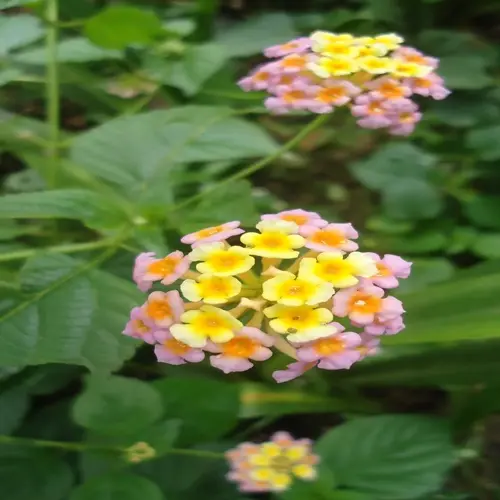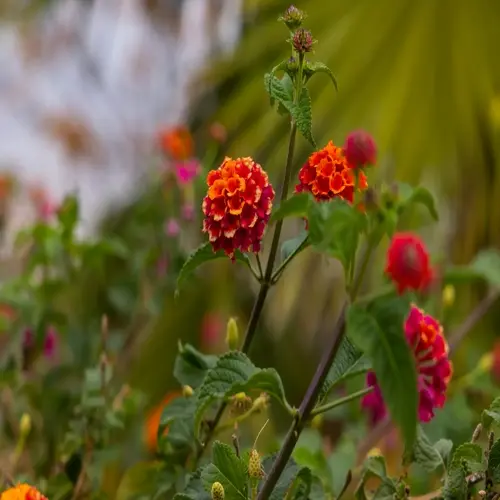

The lantana problem in Australia is one of the country's worst plant disasters. It costs farmers millions of dollars each year in lost pasture land. No one has been able to get rid of it despite over 200 years of trying.
Settlers brought lantana to Australia in the early 1800s as a pretty garden plant. It broke free fast and spread across Queensland and New South Wales. Birds ate the berries and dropped seeds wherever they flew. The lantana invasive Australia story got worse with each passing decade. The warm climate matched its tropical roots and nothing here could stop it. No natural bugs or diseases existed here to slow it down. Back in Central and South America, those controls kept it in check.
The money lost to lantana invasive Australia spread is huge. IUCN GISD data puts Queensland pasture losses at A$3 million per year using 1985 values. That number is far higher in today's dollars. Dense lantana blocks cattle from reaching grass. It creates fire risks during dry months. I've read accounts from Australian farmers who spend weeks each year just clearing lantana from fence lines and water access points on their land.
You might think that science could fix this. But Australia has tried just about every tool and come up short. PLOS One data from 2012 shows two centuries of hard work with no real success. Lantana was the first weed ever targeted by biological bug control. Scientists released 36 insect species across 33 countries to fight it. None of those programs worked. The bugs either died off, ate other plants instead, or bred too slow to keep up with the lantana growth rate.
The damage to native forests hits the hardest of all. IUCN data shows lantana can block forest regrowth for up to 30 years once it forms a thick canopy. Native birds, insects, and animals lose their homes and food sources. The thickets grow so thick that sunlight can't reach the ground underneath. Some at-risk species in eastern Australia are losing habitat to lantana right now.
If you garden in Australia, you should avoid all seed-making lantana types. Pick sterile cultivars or swap in native plants instead. Native options like grevillea and callistemon give you bright color. They also need very little water. They won't take over your area the way lantana does. In my experience, native plant swaps look just as good and you can feel good about your choices.
If you already have lantana weed Australia issues on your land, call your local council. Ask about approved removal steps. Cut the plants before they make fruit. Bag all the stems and leaves rather than tossing them in your compost pile. Seeds survive in compost and spread all over again. The lantana weed Australia fight is far from over. But every plant you remove helps protect the native bush around your property.
Read the full article: Lantana Plant: Growing and Care Guide