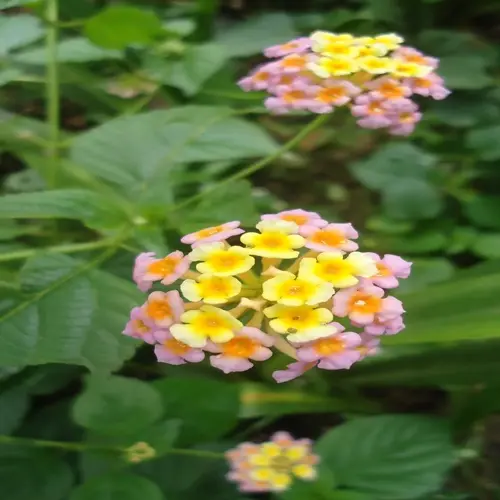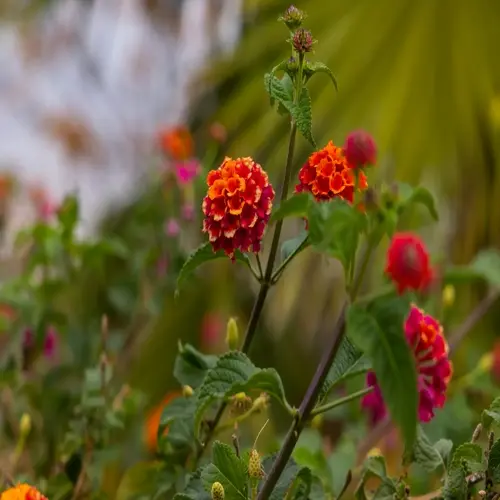

The biggest disadvantages of lantana hit you in three ways. It spreads where you don't want it, poisons your animals, and gives you skin rashes. It also seeds itself all over your yard if you grow the wrong types. These issues catch many gardeners off guard.
You might plant one pretty bush and end up fighting it for years.
Invasive spreading is the biggest of the lantana drawbacks you'll run into. I grew seed-making types for three seasons. By year four, I spent more time pulling seedlings than I did enjoying the flowers. They popped up in my garden beds, sidewalk cracks, and my neighbor's fence line. Lantana sets fruit at about 85% from each flower it makes. That means nearly every bloom turns into a berry full of seeds. Birds eat those berries and spread them far and wide across your area.
The lantana drawbacks for your local habitat go deep. IUCN data shows the plant puts out toxic chemicals from its roots and stems. These chemicals slow down or kill other plants trying to grow near your lantana. Your native flowers, grasses, and tree seedlings can't take hold in that poisoned soil. This gives lantana an unfair edge. It explains why you'll see it on many worst-invasive lists around the world.
Toxicity is a serious issue if you keep animals. The leaves hold toxins that damage the liver in grazing stock. Cattle, sheep, horses, goats, and buffalo are all at risk from eating the foliage. UF/IFAS says that little or no treatment can reverse the damage once your animal eats enough. Your dogs and cats can get sick too. I watched a friend's puppy throw up for hours after chewing on lantana leaves in her front yard. Keep your pets far from these plants.
Skin rashes round out the list of issues. The rough hairy leaves and prickly stems cause itchy red bumps on your skin. In my experience, bare-handed pruning is the fastest way to get a rash that lasts up to a week. You can avoid this by wearing thick gloves every time you handle your plants. Wash your hands right after you finish the job too.
Each of these lantana cons has a fix you can use. For spreading, pick sterile types like Bloomify Red or Bloomify Rose that make few seeds. For toxicity, fence your plants away from livestock. For skin rashes, wear gloves and long sleeves during every pruning session. For self-seeding, cut off spent flowers before berries form on older types. You don't have to give up on lantana. You just need to plan ahead.
The lantana cons are real but so are the perks. You get great butterfly visits, zero deer damage, and nonstop blooms with very little care. The trade-offs are worth it for many gardeners. In my experience, the key is going in with your eyes open and picking the right types from the start. Your garden will thank you for doing the homework before you plant.
Read the full article: Lantana Plant: Growing and Care Guide