
Yes, lantana bad to touch is a fair concern. The leaves and stems can cause rashes on people with sensitive skin. The good news is that the reaction is not life-threatening. You just end up with an itchy red patch that goes away in about a week.
I found out about lantana skin irritation the hard way during a long pruning job on a hot day. I skipped my gloves because the task seemed quick. Within a few hours, both my forearms broke out in raised red bumps that itched like crazy. Every spot where a leaf had brushed my bare skin puffed up and turned red. A friend who grows lantana told me she never gets a reaction at all. This difference between people is common with plant allergies. It makes lantana skin irritation hard to predict until you've had your first brush with it.
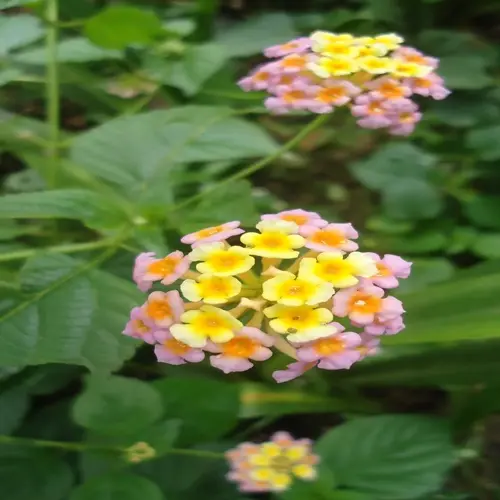
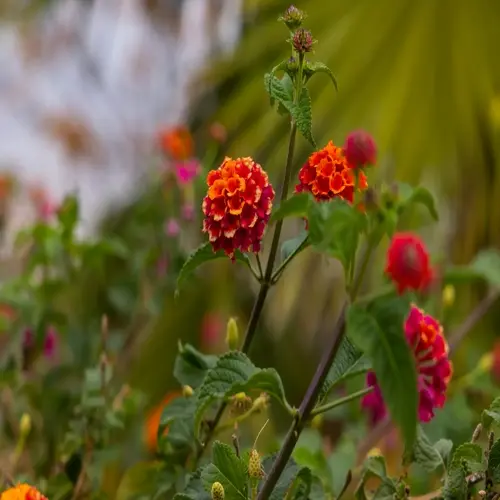
The rash happens because of how the plant is built. Lantana leaves are covered in tiny hairs. The stems have small prickles all along them. These structures scratch your skin surface and push compounds into the tiny breaks. UW-Madison Extension lists skin irritation as a known effect of handling this plant. Quick touches rarely cause trouble. But a long pruning session with bare hands gives your skin plenty of time to react.
The medical name for this rash is lantana contact dermatitis. Your immune system treats the plant compounds like a threat. It sends swelling and redness to the area as a defense move. You get itching, bumps, and sometimes small blisters that look a lot like mild poison ivy. Most cases clear up in 5 to 7 days on their own. Drugstore hydrocortisone cream and cool damp cloths help with the itch. In my experience, the cream works best if you put it on right when you first notice the bumps. See your doctor if the rash spreads past the contact area or shows signs of infection.
Your skin rash from touching lantana is mild next to what happens when animals eat it. The leaves hold lantadene toxins that damage the liver in cattle, sheep, horses, and dogs. Eating the plant is a far worse problem than touching it. Keep your pets and kids from chewing on leaves. The green berries are the most risky part for little ones who might put them in their mouths.
Staying safe from lantana contact dermatitis takes just a few easy habits. Wear thick garden gloves and long sleeves every time you prune or move your lantana plants. Wash your hands and forearms with soap and water right after you finish. Tiny bits from the leaves can land on skin above your glove line. Keep young kids from pulling leaves or playing right next to the bushes. These steps take almost no extra time but save you from days of itching and discomfort.
Read the full article: Lantana Plant: Growing and Care Guide