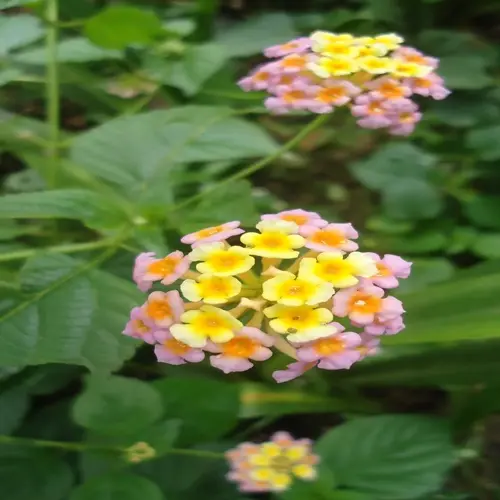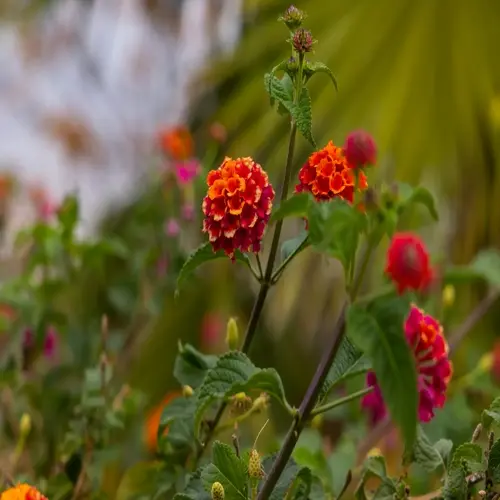

The lantana plant good for pulling in butterflies and bees, handling drought without extra water, and keeping deer out of your beds. These three strengths make it one of the most useful warm-climate flowers you can grow in your yard.
Butterfly and bee visits top the list of lantana benefits. I planted three bushes in a bare corner of my yard that gets scorched by sun all day. Nothing else wanted to grow there. Within two weeks of the first blooms, I counted five butterfly species on one afternoon. Gulf fritillaries, painted ladies, and swallowtails stopped by each morning. Each flower cluster holds 20 to 40 tiny flowers packed into a dome shape. This design pumps out nectar from morning to evening. Bees and hummingbirds love it just as much as the butterflies do.
Low water needs rank high among the lantana benefits too. Once the roots settle in, this plant survives on rain alone in most areas. The root system grows deep and pulls water from soil layers that other plants can't reach. You save time and money on your water bill during hot months. Deer won't touch it thanks to the rough leaves and strong scent. You can skip the fencing, sprays, and netting that other flowers need to survive.
The lantana uses in garden design go well past a basic flower bed. You can plant upright types along your house walls where heat bounces off and bakes other flowers. Trailing Lantana montevidensis covers slopes fast and stops erosion with its thick mat of roots. Lantana handles salt spray just fine, which makes it a winner near the beach. Container displays on your deck or patio do well too. The plants don't mind tight root space or the extra heat that pots create in the sun.
Butterfly and Bee Magnet
- Nectar output: Feeds butterflies, hummingbirds, and native bees with steady nectar from spring through fall frost.
- Bloom count: Each plant makes dozens of flower heads at once, with 20-40 flowers per cluster head.
- Best partners: Pair with pentas, salvia, and zinnias for a full pollinator garden that blooms nonstop.
Drought-Proof Color
- Water needs: Lives on rain alone once roots settle in, cutting your water use during hot summer months.
- Heat proof: Thrives in full sun and bounced heat from walls and patios where other flowers wilt fast.
- Soil range: Grows in sandy, clay, or rocky ground without soil fixes as long as water drains well.
Deer and Pest Proof
- Deer safe: Rough leaves and strong scent keep deer away without fences, sprays, or nets of any kind.
- Low bug pressure: Few insect pests bother lantana, so you skip the sprays that other flowers need.
- Rabbit proof: Rabbits leave lantana alone too, making it a solid pick for yards near wooded areas.
I get the best results by pairing my lantana with pentas, salvia, and zinnias. This combo blooms from late spring through the first fall frost. Plant your lantana in the back or middle of beds since it grows 3 to 4 feet tall in one season. Give it full sun for 6 to 8 hours each day and step back. In my experience, this plant gives you months of color and a stream of butterflies with almost zero work on your part.
Read the full article: Lantana Plant: Growing and Care Guide