
Introduction
Creeping jenny is a plant with two very different reputations. Gardeners love this perennial ground cover for its bright golden leaves and fast spreading habit. State agencies tell a different story. About 14 invasive species councils across the country flag it as a problem plant, and it shows up as invasive in 5 U.S. National Parks from Virginia to Maryland.
The Latin name Lysimachia nummularia gives you a clue about this plant's nature. Nummularia means "like a coin" because of the small round flat leaves that line each stem. That coin metaphor fits the whole plant because creeping jenny has two sides. One side gives you a stunning golden carpet that fills bare spots in your yard. The other side can smother native plants if you pick the wrong type.
I've grown both the green species and the golden Aurea cultivar in my own garden for over 8 years now. The difference between them is night and day. The green moneywort took over a whole bed in one season and crept into my lawn. The Aurea stayed put and grew at a pace I could manage. It even won an Award of Merit from the Royal Horticultural Society.
This guide breaks down everything you need to know about growing creeping jenny the right way. You'll learn which varieties stay under control and how to care for them in your specific hardiness zone. Making the right cultivar choice from the start saves you years of frustration down the road.
Creeping Jenny Varieties
Your choice of creeping jenny varieties matters more than most people think. The golden creeping jenny sold as the Aurea cultivar is the safest bet for home gardens. I've tried all the main types over the years and the Aurea won me over fast. Its chartreuse foliage shifts color based on light, almost like a living mood ring in your yard. The Goldilocks variety works great in containers too.
The Aurea cultivar changes from lime green in deep shade to golden yellow in partial shade and then to brassy gold in full sun. That color range gives you a lot of creative control over the look of your planting. The green versus golden choice matters beyond looks though. UW Madison Extension flat out says not to plant the green species because of its invasive spread.
Aurea (Golden Creeping Jenny)
- Foliage Color: Produces lime green leaves in full shade that shift to golden yellow in partial shade and brassy gold in full sun exposure.
- Growth Habit: Much less aggressive than the green species with stems reaching up to 2 feet (61 centimeters) long and forming low mats.
- Flowering: Blooms less consistently than the green species and sometimes forms vegetative colonies that seldom produce seed capsules.
- Award: Received the Royal Horticultural Society Award of Merit for outstanding garden performance and ornamental value.
- Invasive Status: Exempt from Wisconsin invasive species restrictions and considered the safer choice for home garden planting.
Green Species (Wild Type)
- Foliage Color: Displays deeper green round leaves shaped like coins, which inspired the Latin name nummularia meaning like a coin.
- Growth Habit: Very aggressive spreader that forms dense mats capable of excluding native plant species from moist habitats and wetlands.
- Flowering: Produces small bright yellow cup-shaped flowers about 1 inch (2.5 centimeters) in diameter from June through August.
- Invasive Status: Listed as a restricted invasive species in Wisconsin and documented as invasive in 5 U.S. National Parks.
- Recommendation: Not recommended for home garden planting by university extension programs due to aggressive spreading and ecological impact.
Goldilocks
- Foliage Color: Features bright golden-yellow foliage similar to Aurea but marketed as a more compact selection for container gardening.
- Growth Habit: Trailing stems make it popular as a spiller plant in hanging baskets and mixed container arrangements with other annuals.
- Best Use: Performs well in containers, window boxes, and hanging baskets where its trailing habit creates a cascading golden waterfall effect.
- Availability: Common at garden centers and nurseries, often sold next to other trailing container plants during spring planting season.
- Maintenance: Needs consistent moisture and benefits from occasional trimming to maintain a tidy appearance in container displays.
Golden Globes
- Foliage Color: Produces rounded golden leaves with a slightly more compact growth pattern compared to the standard Aurea selection.
- Growth Habit: Grows as a low mat reaching 2 to 4 inches (5 to 10 centimeters) tall with moderate spreading speed suitable for borders.
- Best Use: Works well as an edging plant along garden paths, between stepping stones, and in rock garden crevices where it fills gaps.
- Climate Range: Thrives in USDA Hardiness Zones 3 through 9, tolerating cold winters and returning each spring from established roots.
- Pairing Potential: Creates a stunning contrast with dark-leaved plants like purple coral bells and burgundy heuchera for striking color combinations.
When you shop for creeping jenny at a nursery, always ask for the Aurea cultivar by name. Some stores sell the green species without any warning about its invasive nature. The golden types give you all the beauty with far less risk to your garden and the local ecosystem.
Growing Conditions and Care
Creeping jenny is not a picky eater for soil types. I've planted it in heavy clay, sandy spots, and even rocky patches along my garden path. It grew in all of them without a single complaint. As long as the moist soil stays damp, this plant will thrive in just about any ground you give it. NC State Extension confirms it handles acid, neutral, and alkaline pH levels with ease.
Light is where things get interesting. Creeping jenny survives in full sun to full shade across USDA hardiness zones 3-9. But the amount of sun changes the leaf color on golden varieties. Morning sun in partial shade gives you the best golden color. If you live in a southern region, give your plants afternoon shade to stop the leaves from scorching in the summer heat. Northern growers can get away with more full sun since the light is less intense.
Your watering requirements boil down to one rule. Keep the soil damp at all times because dry spells cause the leaves to brown and thin out fast. I water mine every 2 to 3 days during hot weeks and cut back in cooler months. Well-drained soil matters too since standing water around the roots leads to rot. Add compost to heavy clay to boost drainage without losing moisture.
Fertilizer needs are minimal for this plant. One dose of balanced slow release fertilizer in early spring gives it all the nutrients it needs for the season. Skip the heavy feeding because too much nitrogen makes the stems stretch and look leggy. Pruning is just as simple. Trim back the edges with scissors when the mat creeps past its borders. I do a light trim every 4 to 6 weeks during the growing season to keep things tidy.
Propagation Methods
Learning how to propagate creeping jenny is one of the easiest gardening skills you can pick up. Think of it like making copies of a document. Every stem that touches moist soil creates a new rooted plant at each leaf node all on its own. The Aurea cultivar does not form seed capsules well. So you'll rely on stem cuttings and division to make new plants.
Timing matters more than most growers realize. I take my stem cuttings in late spring through summer when growth is strongest. Division works best in early spring or fall when the plant is not under heat stress. Skip winter propagation since the plant goes dormant and new roots won't form. A dab of rooting hormone on your cuttings speeds things up but it's not required. Water propagation works great for beginners who want to watch roots grow in real time.
Stem Cuttings in Soil
- Timing: Take stem cuttings in late spring through midsummer when the plant is actively growing and producing fresh green stems with healthy leaves.
- Method: Cut 4 to 6 inch (10 to 15 centimeter) stem sections that include at least 3 leaf nodes, as these nodes are where new roots will emerge.
- Preparation: Remove leaves from the bottom 2 inches (5 centimeters) of each cutting and dip the cut end in rooting hormone to speed establishment.
- Planting: Insert cuttings into moist potting mix made from equal parts perlite and coconut coir, keeping soil consistently damp but not waterlogged.
Water Propagation
- Timing: Start water propagation in spring or early summer using healthy stem cuttings from established plants with no signs of disease.
- Method: Place stem cuttings with at least 2 leaf nodes submerged in a glass of clean water, changing the water every 3 to 4 days to prevent bacteria.
- Root Development: Expect visible roots to appear within 7 to 14 days, and transplant to soil once roots reach 1 to 2 inches (2.5 to 5 centimeters) long.
- Advantage: Water propagation lets you watch root development in real time and is the easiest method for beginners starting their first ground cover plants.
Division of Established Plants
- Timing: Divide established clumps in early spring before new growth starts or in early fall when temperatures cool down and stress is reduced.
- Method: Lift an entire mat section with a garden fork, shake off excess soil, and pull or cut it into smaller pieces each containing stems and roots.
- Replanting: Space divisions 12 to 18 inches (30 to 46 centimeters) apart in prepared soil and water well to help roots establish in their new location.
- Frequency: Divide every 3 to 4 years to keep plants vigorous and prevent overcrowding that leads to poor air circulation and increased disease risk.
Natural Layering
- Timing: Natural layering happens throughout the growing season whenever stems make contact with moist soil and begin rooting at leaf nodes on their own.
- Method: Lay trailing stems on bare soil and pin them down with U-shaped landscape staples to encourage root formation at each node along the stem.
- Speed: Roots form within 2 to 3 weeks at each pinned node, and each rooted section can then be cut away as an independent new plant.
- Caution: This same natural layering ability is why creeping jenny spreads fast, so use containment barriers if planting near garden beds you want to protect.
I learned a hard lesson about propagation in my own yard. That same rooting power that makes this plant so easy to grow is why it turns invasive. Even small stem pieces left in your soil can sprout new colonies. Always clean up your trimmings and toss them in the trash instead of a compost pile.
Container and Water Use
Containers give you the safest way to grow creeping jenny without invasive spread. The pot walls keep the roots contained. The trailing plant stems spill over the edges without rooting into your garden soil. I use golden creeping jenny as my go to spiller plant in mixed containers. Nothing else gives you that cascading golden stream effect quite like it.
Hanging baskets and window boxes are where this plant shines the most. The cascading stems can trail 12 to 18 inches past the pot edge by midsummer. In the classic spiller, thriller, filler framework, creeping jenny fills the spiller role better than any other plant I've tried. Pair it with a tall centerpiece and some filler flowers for an instant professional look.
Water gardens open up a whole new side of this plant. Creeping jenny grows as a pond plant along the low edges in up to 2 inches of water. It provides habitat for frogs, insects, and small fish. You can even use it for aquarium use where the green species grows submerged and helps absorb nitrates from the water. Most aquarium growers anchor stems into the substrate and let them spread across the bottom of the tank.
Invasiveness and Control
Most garden blogs mention creeping jenny spreading as a minor footnote. The truth is much more serious. The green species is a restricted invasive plant in Wisconsin. It shows up on about 14 state and regional invasive species lists across the country. It acts like a living carpet that blocks over 80% of sunlight from reaching the soil beneath it. That thick mat chokes small springs, seeps, and causes real native species displacement in wet areas.
I've seen this invasive plant take over a friend's entire backyard in 2 growing seasons. The dense mat smothered every native groundcover plant that was there before it arrived. Wisconsin DNR research shows it wipes out native species in the herb layer of forests. If you want to know how to control creeping jenny once it spreads, you need to pull every stem and root fragment from the soil. Even a small piece left behind will start a new colony.
Check your state's invasive species list before you plant any variety. Some states ban the sale of the green species but allow the Aurea cultivar. NC State Extension lists several native alternatives that do the same job. Ajuga pyramidalis works well in sun and shade. Pachysandra procumbens fills in shaded areas fast. Both stay put in your yard and won't spread into wild areas.
Companion Planting Ideas
Figuring out what to plant with creeping jenny comes down to color contrast. Think of golden creeping jenny as your garden's yellow highlighter. It makes every dark leaved companion plant pop against that bright golden carpet. I've tested dozens of pairings in my own shade garden and rock garden beds over the years.
The best companion plants share the same love of moist soil and partial shade. Hostas, ferns, and coral bells all thrive in these conditions and create stunning looks next to golden foliage. UW Madison Extension backs up what I've found. Heuchera and hostas give you the best color contrast with golden creeping jenny leaves.
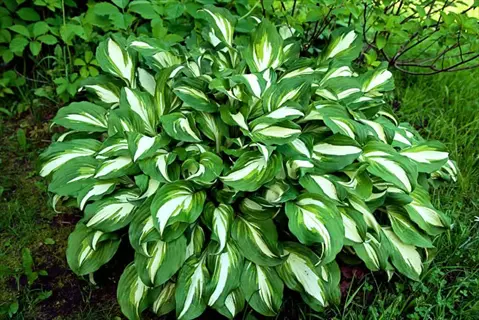
Hostas
- Why It Works: The broad textured leaves of hostas create a dramatic scale contrast against the tiny round coins of creeping jenny foliage spreading beneath them.
- Color Pairing: Blue-leaved hosta varieties like Blue Angel or Halcyon paired with golden Aurea creeping jenny create one of the most striking color combinations in shade gardens.
- Growing Conditions: Both plants thrive in partial shade with consistent moist soil, making them natural planting partners that share identical care needs.
- Coverage Pattern: Hostas provide height and structure as the focal point while creeping jenny fills bare soil beneath and between hosta clumps as living mulch.
- Seasonal Interest: Hostas emerge in spring with dramatic unfurling leaves while creeping jenny provides early season ground coverage before hostas fill in.
- Spacing Tip: Plant creeping jenny 12 inches (30 centimeters) from hosta crowns to give both plants room to develop without competition for root space.
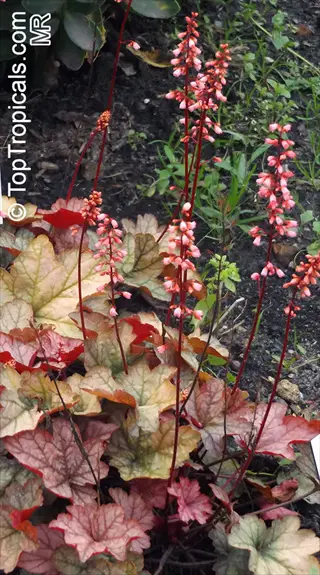
Coral Bells (Heuchera)
- Why It Works: Dark burgundy and purple coral bells foliage creates a stunning contrast against the bright golden carpet of creeping jenny beneath them.
- Color Pairing: Varieties like Palace Purple or Obsidian placed above golden creeping jenny create a rich warm to cool color transition that catches your eye right away.
- Growing Conditions: Both tolerate partial shade and moist soil, though coral bells prefer better drainage than creeping jenny during winter months.
- Design Role: Coral bells add 12 to 18 inches (30 to 46 centimeters) of vertical interest while creeping jenny creates a flowing golden carpet at ground level.
- Year-Round Appeal: Coral bells retain their colorful foliage through much of winter in mild climates while creeping jenny goes dormant creating seasonal variety.
- Container Use: This pairing works great in large containers where coral bells serve as the thriller and creeping jenny cascades over the pot edge as the spiller.
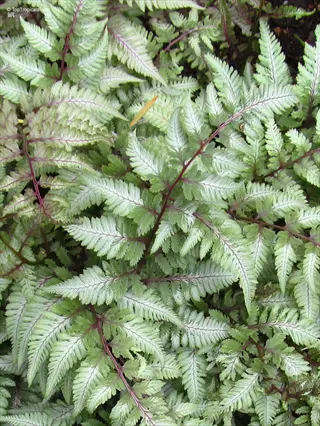
Japanese Painted Fern
- Why It Works: The silvery purple fronds of Japanese painted ferns create a cool contrast against the warm golden tones of creeping jenny spreading around their base.
- Color Pairing: The metallic silver and burgundy tones of the fern combined with golden Aurea creeping jenny produce a classy color scheme suited to woodland gardens.
- Growing Conditions: Both plants prefer partial to full shade with consistent moist soil and tolerate the same USDA hardiness zones making them reliable long term partners.
- Texture Contrast: The delicate lacy fronds of the fern create a feathery texture above the smooth coin shaped leaves of creeping jenny for maximum visual variety.
- Seasonal Rhythm: Fern fronds emerge in spring and die back in fall while creeping jenny provides ground coverage that extends visual interest into winter.
- Maintenance Note: Neither plant requires frequent feeding and both benefit from a light layer of organic mulch applied in early spring before new growth begins.
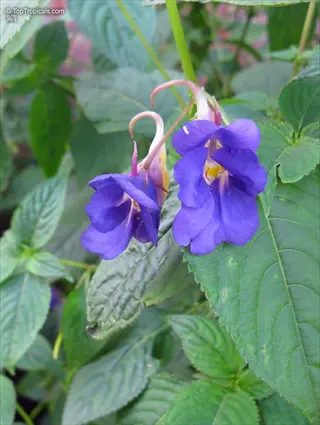
Impatiens
- Why It Works: Colorful impatiens blooms hovering above a golden creeping jenny carpet create a layered planting that delivers nonstop color from late spring through first frost.
- Color Pairing: Pink, red, or white impatiens flowers pop against the chartreuse and gold foliage of creeping jenny for a vibrant shade garden combination.
- Growing Conditions: Both plants thrive in partial shade with moist soil and neither tolerates drought well, so they share compatible watering schedules and site needs.
- Container Recipe: Plant impatiens as the thriller in the center of a large pot with creeping jenny trailing over the edges for an instant lush container display.
- Coverage Timeline: Impatiens grow upward to 12 to 24 inches (30 to 61 centimeters) while creeping jenny spreads flat, so neither plant competes for the same space.
- Annual Advantage: Since impatiens are annuals in most zones, you can change flower colors each year while the perennial creeping jenny base stays consistent.
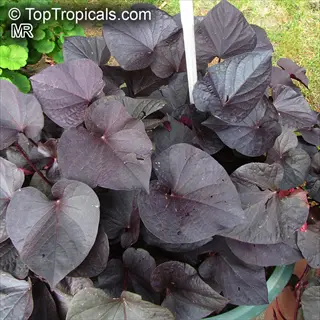
Sweet Potato Vine
- Why It Works: The large heart shaped leaves of sweet potato vine in dark purple or lime green create a bold tropical contrast with the small coin shaped creeping jenny leaves.
- Color Pairing: Dark purple sweet potato vine varieties like Blackie paired with golden Aurea creeping jenny create a dramatic dark and light combination in containers and borders.
- Growing Conditions: Both are vigorous growers that thrive in moist soil with partial sun and both trail over container edges and hanging basket rims with ease.
- Growth Rate Match: Sweet potato vine and creeping jenny grow at similar rates so neither plant overwhelms the other during the growing season in shared containers.
- Container Design: Use sweet potato vine as both thriller and spiller on one side of a pot and creeping jenny spilling from the opposite side for balanced visual weight.
- Climate Note: Sweet potato vine is annual in zones below 9 while creeping jenny is perennial to zone 3, so replace the vine each spring while jenny returns on its own.
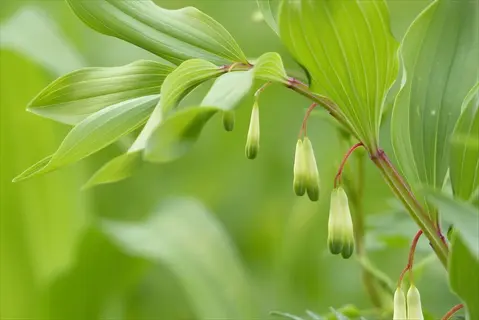
Solomon's Seal
- Why It Works: The arching stems and dangling white bell flowers of Solomon's Seal create a woodland look above a golden carpet of creeping jenny in shade gardens.
- Color Pairing: The green and white variegated leaves of Solomon's Seal create a cool toned canopy that highlights the warm golden glow of creeping jenny below.
- Growing Conditions: Both plants prefer partial to full shade with moist rich soil and both are long lived perennials that improve over the years as they establish deeper roots.
- Height Contrast: Solomon's Seal grows 18 to 36 inches (46 to 91 centimeters) tall while creeping jenny stays at 2 to 4 inches providing dramatic vertical layering.
- Woodland Theme: Together they create a natural woodland floor look that attracts pollinators with Solomon's Seal spring blooms and creeping jenny summer flowers.
- Low Effort Pair: Both plants need little maintenance and tolerate neglect once established in the right moisture and shade conditions in your garden.
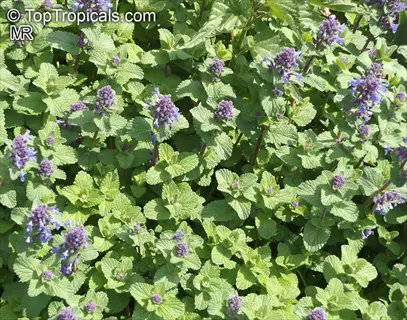
Catmint (Nepeta)
- Why It Works: The soft lavender blue flower spikes of catmint create a cool warm color contrast with golden creeping jenny that brightens sunny border edges all summer long.
- Color Pairing: Blue and purple catmint flowers against golden yellow creeping jenny foliage produce a color combo that appears in many award winning garden designs.
- Growing Conditions: Catmint prefers drier soil than creeping jenny, so plant this pair at a border transition where soil moisture changes from moist to well drained.
- Pollinator Benefit: Catmint attracts bees, butterflies, and hummingbirds throughout summer while creeping jenny provides ground level habitat for beneficial insects.
- Bloom Timing: Catmint blooms from late spring through fall when sheared back after first flush while creeping jenny flowers appear June through August for overlapping color.
- Border Design: Plant catmint 18 inches (46 centimeters) back from the border edge and let creeping jenny spill forward as a golden ribbon tying the planting together.
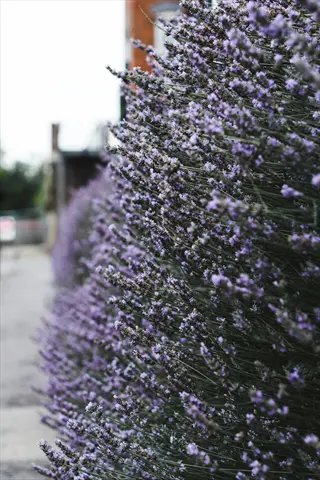
Lavender
- Why It Works: The silvery gray foliage and purple flower spikes of lavender paired with golden creeping jenny create a cottage garden color palette in sunny beds.
- Color Pairing: Silver and purple lavender contrasts with golden creeping jenny on 3 color axes: warm versus cool, dark versus light, and upright versus trailing growth habit.
- Growing Conditions: Lavender prefers drier and more alkaline soil than creeping jenny, so pair them at a sunny border edge where drainage goes from moist to fast draining.
- Fragrance Bonus: Lavender adds scent to the planting while creeping jenny adds visual warmth at ground level, engaging multiple senses in a single garden bed.
- Sun Needs: This pairing works best in full sun to partial shade where both plants receive at least 6 hours of direct light for good flowering and foliage color.
- Pruning Timing: Prune lavender in early spring and trim creeping jenny edges throughout the growing season to maintain a clean boundary between the 2 plants in borders.
Pests and Disease Problems
Most creeping jenny problems come from just a handful of pests and diseases. I rank them by threat level so you know where to spend your pest control effort first. Slugs sit at the top of the list by a wide margin. UW Madison Extension data shows high slug populations can strip a planting almost bare in bad seasons. After slugs, you need to watch for aphids, root rot, fungal disease like leaf spot and powdery mildew, and spider mites in that order.
Root rot gets ignored by most guides but it's a real risk with this plant. Creeping jenny needs moist soil to thrive. That same moisture feeds fungal disease organisms like Pythium when your drainage is poor. I lost a whole bed to root rot one spring before I learned to mix perlite into heavy clay soil. That fix solved the problem for good.
Slugs and Snails
- Threat Level: Slugs are the primary pest and UW Madison Extension research confirms that high slug populations can cause near total loss of leaves across entire plantings.
- Signs of Damage: Look for irregular holes chewed through the round coin shaped leaves, silvery slime trails on foliage, and noticeable thinning of the dense mat overnight.
- Prevention: Reduce slug habitat by clearing debris around plantings, improving air flow, and avoiding overhead watering in the evening when slugs are most active.
- Treatment: Apply iron phosphate slug baits around the planting edge or install copper barriers which deliver a mild charge that repels slugs and snails without chemicals.
Aphids
- Threat Level: Aphids sometimes colonize creeping jenny stems and leaf undersides, causing curled yellow foliage and sticky honeydew residue that attracts sooty mold growth.
- Signs of Damage: Check for clusters of small green or black soft insects on new growth tips and the undersides of leaves near stem nodes during the growing season.
- Prevention: Encourage natural predators like ladybugs and lacewings by planting flowers nearby and avoiding broad spectrum sprays that kill beneficial insects as well.
- Treatment: Blast aphids off with a strong stream of water from a garden hose or apply insecticidal soap spray to affected areas for heavier problems.
Root Rot
- Threat Level: Root rot from Pythium or Phytophthora fungi affects creeping jenny planted in poor drainage where water pools around roots for extended periods after rain.
- Signs of Damage: Wilting foliage despite adequate moisture, mushy brown or black roots when pulled, and patches of the mat dying back from the center outward indicate root rot.
- Prevention: Ensure soil has adequate drainage by amending heavy clay with organic matter and perlite, and avoid planting in low spots where standing water collects.
- Treatment: Remove and discard affected plant sections, improve drainage in the area, and replant healthy divisions in fresh well amended soil with better water movement.
Leaf Spot and Powdery Mildew
- Threat Level: Fungal leaf spot and powdery mildew affect creeping jenny in humid conditions with poor air flow, though healthy plantings resist both diseases most of the time.
- Signs of Damage: Leaf spot appears as brown or black circular marks on foliage while powdery mildew shows as a white dusty coating on leaf surfaces during warm humid weather.
- Prevention: Improve air flow by thinning overly dense mats, avoid overhead watering that keeps foliage wet for long periods, and space plants to allow airflow between them.
- Treatment: Remove and discard affected foliage, apply an organic copper based fungicide for persistent infections, and thin the planting to reduce humidity around leaves.
Spider Mites
- Threat Level: Spider mites are an uncommon but possible pest on creeping jenny, most likely showing up during hot dry periods when plants are stressed from low moisture.
- Signs of Damage: Fine webbing on leaf surfaces, tiny stippled yellow dots on leaves, and a faded or bronzed foliage look all indicate spider mite activity on your plants.
- Prevention: Maintain consistent soil moisture since well watered creeping jenny is far more resistant to spider mites than drought stressed plants growing in dry exposed spots.
- Treatment: Spray affected areas with water to dislodge mites and increase humidity, or apply neem oil or insecticidal soap to both upper and lower leaf surfaces.
5 Common Myths
Creeping jenny is an annual plant that dies after one growing season and must be replanted every spring.
Creeping jenny is a hardy perennial that survives winters in USDA Zones 3 through 9 and returns each spring from its established root system.
All creeping jenny varieties are equally invasive and should be avoided in every home garden setting.
The golden Aurea cultivar is significantly less aggressive than the green species and is even exempt from Wisconsin invasive species restrictions.
Creeping jenny only grows well in full shade and will die if exposed to any direct sunlight during the day.
Creeping jenny tolerates full sun to full shade, and the Aurea cultivar actually develops its brightest golden color with morning sun exposure.
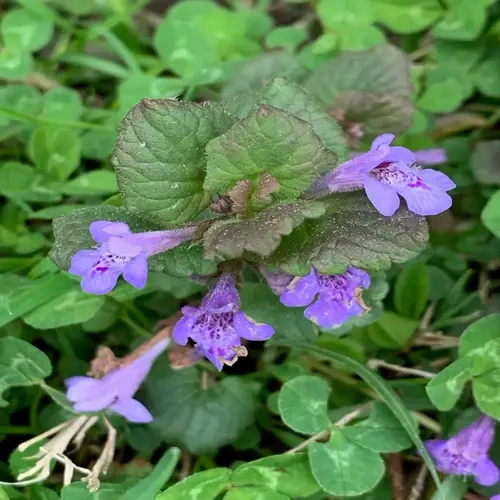
Creeping jenny and creeping charlie are the same plant with two different common names used interchangeably.
Creeping jenny is Lysimachia nummularia while creeping charlie is Glechoma hederacea, a completely different species in a separate plant family.
Creeping jenny cannot grow in water and will immediately rot if its roots stay submerged for any length of time.
Creeping jenny thrives at pond edges in up to 2 inches of water, works in water gardens, and can even grow submerged in aquariums.
Conclusion
The single most important choice you can make with creeping jenny is picking the right variety. The Aurea cultivar gives you golden leaves without harming local plants. UW Madison Extension does not recommend planting the green species at all. Golden creeping jenny earned an RHS Award of Merit and stays far less aggressive in your beds.
If you're new to this plant, start with a container setup first. A hanging basket or mixed pot lets you enjoy the trailing golden stems without any invasive species risk. Once you see how it grows and spreads, you can move it into garden beds with more confidence. Check your state's invasive species list before you put anything in the ground.
I've grown creeping jenny as a ground cover for years now and it rewards gardeners who respect its nature. Give it moist soil, the right amount of light, and keep an eye on its edges once per month during the growing season. That small effort keeps this plant working for you instead of against you.
Choose the Aurea cultivar and monitor the spread each year. You'll have one of the best perennial ground cover options in your garden. This plant does best when you know what you're getting into. Now you do.
External Sources
Frequently Asked Questions
Does creeping jenny prefer sun or shade?
Creeping jenny tolerates both full sun and partial shade, but the golden Aurea cultivar develops its best color in partial shade with morning sun.
What are the cons of creeping jenny?
The main drawbacks include aggressive spreading that can overtake garden beds, invasive status in several states, and vulnerability to slug damage.
Where is the best place to plant creeping jenny?
Plant it in moist, well-drained soil in partial shade, such as along borders, in rock gardens, near water features, or in containers.
Will creeping jenny choke out other plants?
Yes, creeping jenny can choke out other plants by forming dense mats that block over 80 percent of light from reaching the soil surface.
Does Creeping Jenny grow in the winter?
Creeping jenny is semi-evergreen and goes dormant in cold winters but survives freezing temperatures in USDA Zones 3 through 9.
Is Creeping Jenny low-maintenance?
Yes, creeping jenny is low-maintenance once established, needing only consistent moisture, occasional pruning to control spread, and slug monitoring.
Will Creeping Jenny take over my garden?
The green species can take over garden beds rapidly through vegetative spread, but the Aurea cultivar is significantly less aggressive.
Do slugs like Creeping Jenny?
Slugs are the primary pest of creeping jenny and high populations can cause near-complete defoliation according to university extension research.
What are the benefits of Creeping Jenny?
Benefits include erosion control, weed suppression, vibrant golden foliage, versatility in containers and water gardens, and habitat for small wildlife.
What plant pairs well with Creeping Jenny?
Hostas, ferns, coral bells, impatiens, and sweet potato vine pair well with creeping jenny for color contrast and texture variety.