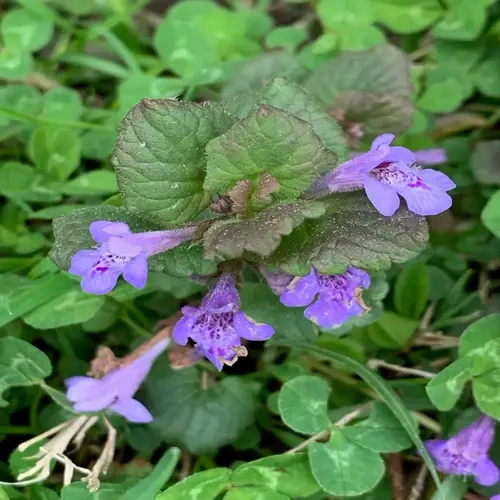

Yes, creeping jenny choke out other plants is a real concern you should take seriously. The green species forms dense carpets that smother low neighbors. It also crowds into your perennial beds fast. The Aurea cultivar spreads slower, but even it can overwhelm small plants if you don't keep it in check.
I watched this happen in my own side yard over one growing season. I planted a small patch of green creeping jenny near some low sedums and creeping thyme in April. By August, the creeping jenny had swallowed both plants and was working its way into the crown of a nearby coral bell. The stems layered over each other so thick that I couldn't even see the soil underneath. Pulling it back revealed pale, stretched-out sedum stems reaching for light they couldn't find.
Creeping jenny smothering plants works through light blocking, not root strangling. Wisconsin DNR research shows dense mats cut light to the soil by over 80%. Your small seedlings and ground-level flowers can't survive under that shade blanket. The plant steals growing space at soil level where it matters most. It's a simple but brutal way to push out your other plants.
The harm goes well beyond your home garden. Creeping jenny is invasive in 5 U.S. National Parks where it cuts native plant numbers in the herb layer. In rich woods, it chokes small springs by forming thick mats over the water. Native species that need those moist open spots lose out to this one aggressive plant. You should always have a containment plan before you put it in the ground.
Tall, established plants with woody stems can hold their own against creeping jenny. Shrubs, mature hostas, and plants that grow above 12 inches tall won't get smothered since the creeping jenny stays at ground level. The real victims are low growers, seedlings, and anything that needs open soil to spread or self-seed. If you grow a mixed border with ground-level perennials, creeping jenny will outcompete them within a year or two.
You can stop creeping jenny overtaking garden beds with the right setup. Install root barriers at least 6 inches (15 centimeters) deep around your planting area. Pick the Aurea cultivar since it grows at roughly half the speed of the green type. Trim your patch edges every month and pull any runners that cross your boundary. Check under nearby plants for hidden stems sneaking in at ground level.
Your safest option is growing it in containers. A hanging basket or raised planter gives you trailing golden beauty with zero choking risk. If you prefer ground planting, pair it with tall, sturdy companions that grow well above its 2-inch mat height. Keep your shorter plants in separate beds where creeping jenny can't reach them.
Read the full article: Creeping Jenny: Complete Growing Guide