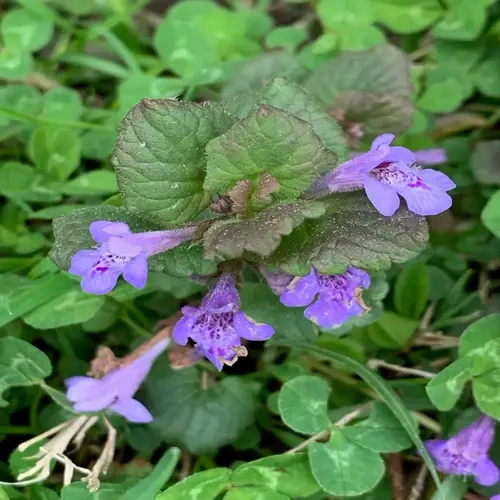

No, creeping jenny grow in winter is not what happens in cold climates. Your plant goes dormant once temperatures drop below freezing and stops new growth until spring. It survives winter just fine, but it sleeps through the cold rather than growing through frost and snow.
When I first grew creeping jenny, the fall color change scared me into thinking the plant had died. The bright golden leaves turned a rusty bronze around late October in my Zone 6 garden. By mid-November, the foliage looked spent and dried out. I nearly pulled the whole patch. But come April, fresh green shoots pushed up through the dead leaf litter. The patch filled back in within about six weeks and looked better than before.
Creeping jenny cold hardiness covers a wide range. Both UW-Madison Extension and NC State Extension list this plant as hardy in USDA Zones 3 through 9. That means it survives winter temperatures down to -40°F (-40°C) in the coldest areas. The roots stay alive underground even when everything above the soil line dies back. This toughness makes it one of the more reliable ground covers for northern gardeners who need plants that come back year after year.
How your creeping jenny handles winter depends on where you live. In mild climates like Zones 7 through 9, the plant behaves as semi-evergreen. It keeps some of its foliage through the cold months and may even put out slow growth during warm spells in January or February. Gardeners in Zones 3 through 6 see a complete die-back to the root system. The stems turn brown, the leaves crisp up, and the plant looks dead until new growth emerges in spring.
Proper creeping jenny winter care is simple because there isn't much to do. Leave the dead foliage in place through the cold months. Those dried stems act as natural insulation for the crown and roots underneath. Resist the urge to cut everything back in fall since removing that layer exposes the plant to harsher freeze-thaw cycles. Wait until you see fresh green growth in spring before clearing away the old material.
If you garden in the coldest zones, add a 2-inch layer of shredded leaf mulch over your creeping jenny beds in late November. This extra protection matters most in Zones 3 and 4 where your winters are long and snow cover isn't reliable. Don't pile mulch too thick or you'll invite rot when things warm up. Skip watering your dormant plants when the soil is frozen since the roots can't absorb water.
In my experience, the spring comeback is the most rewarding part of growing this plant. You go from looking at what appears to be dead brown stems to bright green shoots in a matter of days once the soil warms up. I mark my creeping jenny beds with small stakes so I don't step on the new growth during early spring garden cleanup.
Your creeping jenny will bounce back strong each spring as long as the roots survive winter. Mark where your patches grow so you don't plant something else in that spot during fall cleanup. New shoots appear early in the season and fill in fast once soil temperatures climb above 50°F (10°C) for a few consecutive weeks.
Read the full article: Creeping Jenny: Complete Growing Guide