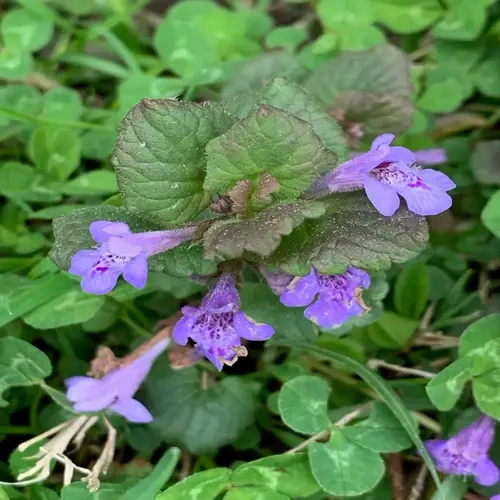

The answer to creeping jenny sun or shade is both. This tough ground cover handles full sun through deep shade without dying, but its appearance changes a lot depending on how much light it gets. You won't kill it by picking the wrong spot, though you might not get the color you expected.
Knowing the creeping jenny light requirements helps you plan where to put this plant for the look you want. In my own garden, I planted the same Aurea cultivar in three spots with different sun exposure. The patch in full afternoon sun turned a deep brassy gold. The one under my oak tree stayed a soft lime green. The middle patch with morning light became that bright golden yellow you see on plant tags.
The UW-Madison Extension explains this color shift as a light-dependent response. Foliage pigments react to ultraviolet exposure throughout the day. In deep shade, chlorophyll dominates and keeps leaves lime green. Partial shade lets golden pigments show through, creating that popular bright yellow tone. Full sun pushes pigments further into brassy gold territory. This means you can control your plant's color just by choosing where you put it.
The Aurea cultivar responds best to golden creeping jenny sunlight in the morning hours. Morning rays are gentler and bring out rich color without stressing the leaves. I've watched afternoon sun in July scorch the leaf edges on my south-facing bed. The leaves curled up and turned crispy brown within two weeks of a heat wave. Southern gardeners in USDA Zones 8 and 9 need afternoon shade or their plants will burn during the hottest months.
The standard green species tolerates more sun than most people think. It stays green no matter how much light it gets, so shade won't change its look much. Green creeping jenny works better for spots where you just need ground coverage and don't care about golden color. It also handles soggy ground near downspouts or low spots where water pools after rain.
For the best results, give your creeping jenny morning sun with afternoon shade. This balance produces vibrant foliage without the risk of leaf scorch. East-facing beds work great for this setup. North-facing walls also make solid planting spots in warmer zones because they get bright indirect light without harsh direct rays. I've had my best-looking patches growing right along the east side of my garage where they get about 4 to 5 hours of gentle morning light.
I made the mistake of planting a container of Aurea on my west-facing patio one summer. The afternoon heat scorched the leaves within a week, and I lost about half the foliage before I moved the pot to the east side of the house. That quick move saved the plant, and within three weeks the golden color bounced back stronger than before. The lesson stuck with me: morning light feeds the color while afternoon light burns it away.
Container gardeners have an advantage here since you can move pots around to find the sweet spot. Start your creeping jenny in a spot with morning sun and watch the foliage for two to three weeks. If leaves look pale or washed out, give it more shade. If they stay stubbornly green when you wanted gold, shift the pot into brighter light. This trial-and-error approach takes the guesswork out of finding the right exposure for your specific yard.
Seasonal light shifts matter too. A spot that gets perfect partial shade in June might get hit with intense direct sun by August as the angle changes. Check on your plants through the whole summer to catch any sun stress early. Brown leaf tips and faded color are the first warning signs that your creeping jenny needs more shade protection in its current location.
Read the full article: Creeping Jenny: Complete Growing Guide