
Introduction
Butterfly weed is the best milkweed you can grow to help the monarch butterfly survive. Iowa State researchers tested 9 milkweed species side by side. This one, known as Asclepias tuberosa, gave a 75% survival rate. No other species in the study came close.
The need is urgent right now. Over 860 million milkweed stems have vanished across the northern United States. The monarch population has crashed about 80% from its peak. Growing this native perennial in your yard is like building a rest stop along the migration highway.
I first planted this flower about 8 years ago after I noticed fewer monarchs visiting my beds each summer. The Perennial Plant Association named it their 2017 Plant of the Year, and I can see why. It handles drought, deer ignore it, and it fills the garden with orange blooms all season.
This guide walks you through picking the right variety, starting seeds, and keeping your plants healthy. You'll learn what makes a pollinator garden thrive with smart plant choices that work for years.
8 Best Butterfly Weed Varieties
Most people think this plant only comes in orange. The truth is you can find butterfly weed varieties in yellow, red, gold, and mixed warm tones. NC State Extension lists colors from bright orange to deep burgundy. These Asclepias tuberosa cultivars grow 1 to 3 feet tall in USDA zones 3a through 9b.
I've grown 5 of these varieties in my own beds over the years. Each one draws monarchs just as well as the classic orange milkweed form. The Hello Yellow and Gay Butterflies cultivars stand out for their color. Your best bet is a variety suited to your local soil and climate.
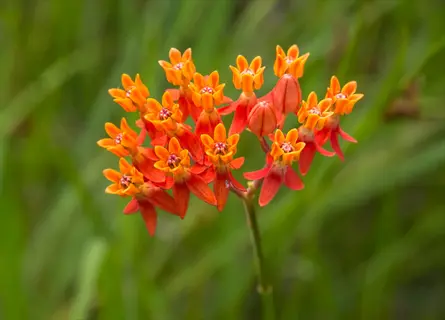
Classic Orange Butterfly Weed
- Color: Produces the signature bright orange flower clusters that give butterfly weed its well-known garden appeal and attract the widest range of pollinators.
- Size: Grows 1.5 to 2.5 feet (45 to 76 centimeters) tall with a spreading habit of 1 to 2 feet (30 to 61 centimeters) wide.
- Hardiness: Thrives in USDA zones 3 through 9, making it the most widely adaptable form of Asclepias tuberosa available.
- Best For: Foundation plantings in meadow gardens, prairie restorations, and pollinator borders where you want a reliable native anchor plant.
- Growing Notes: Seeds are readily available from native plant nurseries and conservation seed mixes, making this the easiest variety to source.
- Bloom Period: Flowers from late spring through midsummer with possible second flush if deadheaded promptly after the first bloom cycle ends.
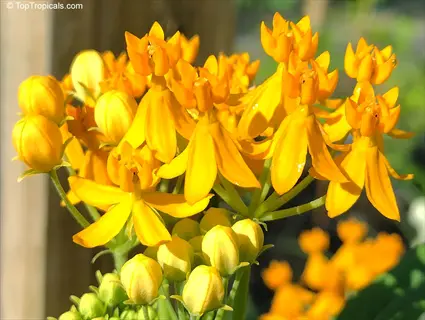
Hello Yellow Butterfly Weed
- Color: Features soft lemon-yellow flower clusters that provide a striking contrast to the typical orange species and pair beautifully with purple companion plants.
- Size: Stays compact at 1.5 to 2 feet (45 to 61 centimeters) tall, slightly shorter than the orange species form in most garden conditions.
- Hardiness: Hardy in USDA zones 4 through 9, with some growers reporting success in protected zone 3 sites with winter mulch coverage.
- Best For: Gardeners who want the monarch-supporting benefits of butterfly weed but prefer a softer color palette in their perennial borders.
- Growing Notes: Propagated primarily through division or root cuttings since seed-grown plants may revert to orange, so purchase established nursery plants for reliable color.
- Bloom Period: Blooms at the same time as the species from late spring through midsummer, creating a two-tone effect when planted alongside orange forms.
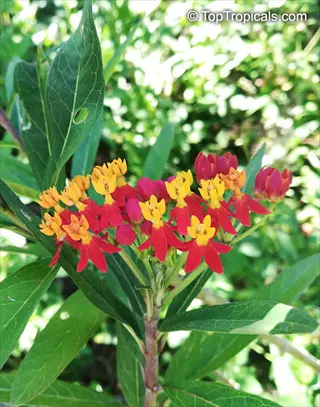
Gay Butterflies Mix
- Color: Produces a mixed display of red, orange, and yellow flowers from a single seed packet, creating a meadow-like tapestry of warm tones.
- Size: Grows 2 to 3 feet (61 to 91 centimeters) tall, often slightly taller than the straight species due to the vigor of selected breeding lines.
- Hardiness: Performs well in USDA zones 3 through 9, with the full color range appearing once plants mature in their second or third growing season.
- Best For: Mass plantings and wildflower meadow borders where you want varied color without the uniformity of a single-hue cultivar selection.
- Growing Notes: Start from seed with one to three months of cold stratification for best germination rates, and expect color variation among individual seedlings.
- Bloom Period: Extended bloom from early to late summer as different plants within the mix reach peak flowering at slightly staggered intervals.
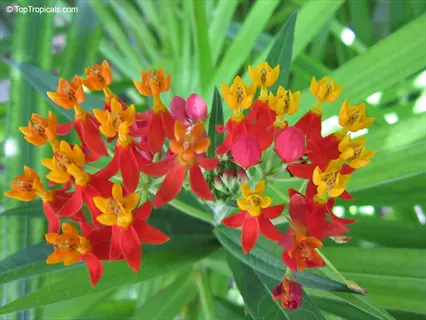
Asclepias tuberosa Silky Gold
- Color: Deep golden-yellow flowers with a warm amber undertone that distinguishes it from the paler lemon tones of Hello Yellow cultivar plants.
- Size: Reaches 1.5 to 2 feet (45 to 61 centimeters) in height with a tight clumping habit that works well in formal perennial bed layouts.
- Hardiness: Reliable in USDA zones 4 through 9 with strong drought tolerance once the deep taproot system establishes after the first full season.
- Best For: Perennial borders and cottage gardens where a warm gold tone complements adjacent plants like lavender, salvia, and ornamental grasses.
- Growing Notes: Benefits from lean, sandy soil and full sun exposure, as overly rich or moist conditions reduce flower production and increase disease risk.
- Bloom Period: Peak flowering occurs in June and July, with scattered blooms continuing through August in regions with longer growing seasons.
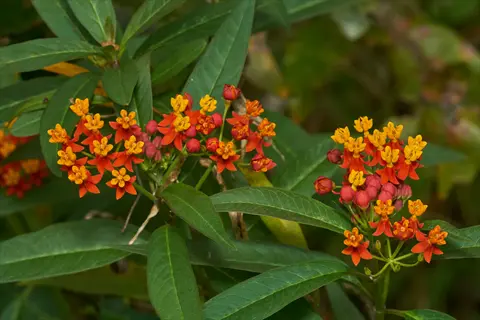
Red Butterfly Weed Selection
- Color: Deep red to burgundy flower clusters that stand out dramatically against green foliage and provide a rare warm-toned native flower option.
- Size: Grows 2 to 2.5 feet (61 to 76 centimeters) tall with slightly narrower flower umbels than the standard orange species form.
- Hardiness: Best suited for USDA zones 5 through 9, as the red-flowered selections tend to be slightly less cold-hardy than the orange species type.
- Best For: Gardeners who want an unusual color form to create focal points in native plant borders or themed red-and-orange pollinator beds.
- Growing Notes: Red selections are less commonly available than orange or yellow forms, so check specialty native plant nurseries and seed exchanges.
- Bloom Period: Flowers from June through August, typically blooming a week or two later than adjacent orange-flowered plants in the same garden bed.
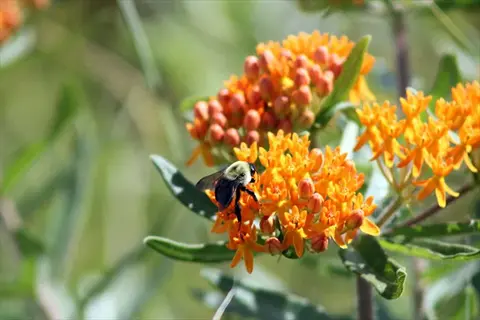
Asclepias tuberosa ssp. interior
- Color: Bright orange flowers similar to the eastern species type but adapted specifically to the prairies and grasslands of the Midwest and Great Plains.
- Size: Reaches 1.5 to 3 feet (45 to 91 centimeters) tall, with vigorous growth in the open, windy conditions of prairie environments.
- Hardiness: Thrives in USDA zones 3 through 8 and is the preferred subspecies for restoration projects across the central United States.
- Best For: Gardeners in the Midwest and Great Plains regions who want locally adapted genetics that perform better than eastern seed sources.
- Growing Notes: Source seeds from regional native plant suppliers to ensure you get the interior subspecies rather than eastern genetics for best results.
- Bloom Period: Blooms from June through August in most prairie regions, coinciding with the peak monarch butterfly breeding season.
Asclepias tuberosa ssp. rolfsii
- Color: Orange to yellow flowers on a more compact plant that naturally occurs in the sandy soils of the southeastern coastal plain.
- Size: Stays shorter at 1 to 1.5 feet (30 to 45 centimeters) tall, making it ideal for front-of-border positions and rock garden plantings.
- Hardiness: Best suited for USDA zones 6 through 9, as this southeastern subspecies is adapted to warmer climates and sandy acidic soils.
- Best For: Southeastern gardeners who want a locally adapted butterfly weed that naturally thrives in the heat, humidity, and sandy conditions of their region.
- Growing Notes: Requires excellent drainage and acidic to neutral soil, and is more prone to crown rot in heavy clay soils than the typical species form.
- Bloom Period: Begins flowering in May in the Deep South, earlier than northern subspecies, extending the overall bloom window for monarch support.
Western Orange Butterfly Weed
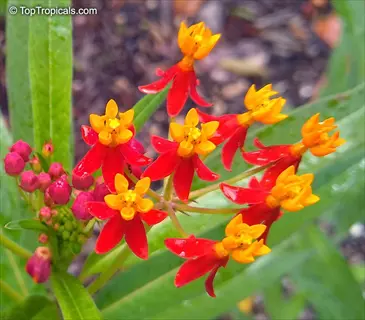
- Color: Vibrant orange flowers with slightly smaller umbels adapted to the drier conditions of the desert southwest and intermountain west regions.
- Size: Grows 1 to 2 feet (30 to 61 centimeters) tall with a tighter, more upright growth habit suited to xeriscape plantings.
- Hardiness: Hardy in USDA zones 4 through 9, with exceptional drought tolerance once established in the arid soils of western states.
- Best For: Western gardeners and xeriscape designers who want a native monarch host plant that thrives with minimal supplemental irrigation.
- Growing Notes: Performs best in gravelly, well-drained soil and full sun; avoid organic mulch against the crown which can trap moisture and cause rot.
- Bloom Period: Flowers from June through September depending on elevation and rainfall, with peak bloom typically occurring in July across most western sites.
A yellow butterfly weed like Hello Yellow gives your garden a softer look while still feeding monarchs. The Gay Butterflies mix creates a wild meadow feel with no extra planning on your part.
Growing and Caring for Butterfly Weed
Growing butterfly weed starts with one rule: give it full sun and well-drained soil. I've killed more of these plants with kindness than neglect over the years. The taproot can reach several feet into the ground and it rots fast in wet or heavy clay. Sandy soil with decent drainage is what this plant wants most.
Butterfly weed care changes with the seasons. In spring, mark where you planted it because it comes up late and you might dig it up by mistake. During summer, let it bloom and skip the fertilizer since rich soil makes it weak and leggy. Cut the spent flowers off to get a second flush of blooms in late summer.
Fall is the time to collect seed pods if you want more plants. Leave some stems standing through winter for insects that shelter in dead stalks. This drought tolerant native handles USDA zones 3 through 9, but bloom times shift depending on where you live. In zone 3, expect flowers in July. Down in zone 9, they can start as early as May.
In my experience, the biggest mistake gardeners make is treating this like a regular perennial. MSU Extension field trials showed that nursery plugs didn't establish well in normal moisture. It wants to be left alone in lean, sandy soil with nothing but sun and space. The table below covers every growing factor you need to know.
Propagation and Seed Starting
Growing butterfly weed from seed takes patience, but the results are worth the wait. You have 3 solid methods to choose from: direct sowing, indoor seed starting, and root cuttings. Cold stratification is the key step no matter which seed method you pick.
I tested all 3 propagation methods in my own garden. Direct sowing gave me the strongest plants with the deepest taproot growth. The USDA Forest Service says seeds need about 3 months of cold stratification for good germination. UW Madison notes that plants bloom in 2 to 3 years from seed.
Root cuttings are the secret weapon most guides skip. This transplanting method lets you clone a named variety and get flowers a full year sooner. Seed pods split open in fall and give you plenty of seeds for free. The guide below breaks down each method so you can pick what fits your level.
Direct Sowing Seeds Outdoors
- Timing: Sow seeds in late fall after the first frost or in early spring after natural winter cold stratification has broken seed dormancy outdoors.
- Depth: Press seeds gently onto the soil surface or cover with no more than one-eighth inch (3 millimeters) of fine soil, as seeds need light to germinate.
- Success Rate: Direct sowing mimics natural conditions and produces seedlings with strong taproots, though germination rates are lower than controlled indoor methods.
- Timeline: Expect first flowers in the second or third growing season after direct sowing, as the plant invests energy into root development before blooming.
Indoor Seed Starting
- Cold Stratification: Place seeds in a damp paper towel inside a sealed bag in the refrigerator for one to three months before planting to simulate winter conditions.
- Planting Method: Sow stratified seeds in deep pots (at least 4 inches or 10 centimeters) filled with a well-draining seed starting mix under bright light.
- Transplanting: Harden off seedlings gradually over one to two weeks and transplant outdoors after the last frost, handling the fragile taproot with extreme care.
- Timeline: Indoor-started plants may bloom in their second year, one season earlier than direct-sown seeds, giving gardeners a slight head start on flowering.
Root Cuttings in Fall
- Method: In late fall, carefully dig to expose the taproot and cut 2-inch (5 centimeter) sections, keeping track of which end was oriented upward in the ground.
- Planting: Insert root sections vertically (correct orientation) into pots of sandy soil mix, with the top of each cutting just below the soil surface level.
- Advantage: Root cuttings produce clones of the parent plant, guaranteeing the same flower color and form, which is especially useful for named cultivars.
- Timeline: Root cuttings can produce flowering plants by the following summer, making this the fastest propagation method for established butterfly weed clumps.
Seed Harvesting and Saving
- When to Harvest: Collect seed pods when they turn brown and begin to split open at the seam, typically in September or October in most growing regions.
- Processing: Open pods carefully over a container and separate the flat brown seeds from the silky white floss that helps them travel on the wind naturally.
- Storage: Store cleaned seeds in a paper envelope inside a sealed container in the refrigerator, where they remain viable for two to three years.
- Tip: If pods split before you collect them, tie a small mesh bag or piece of pantyhose around ripening pods to catch seeds before the wind carries them away.
Monarch Conservation Value
The monarch butterfly needs milkweed to survive, and the numbers prove this plant is the best choice you can grow. Pocius et al. tested 9 species in 2017 and found that butterfly weed produced a 75% monarch survival rate. The average across all species was just 58%. Monarch conservation depends on closing that gap one garden at a time.
USGS data shows the full scale of the problem. We need 3.62 billion milkweed stems to reach recovery goals, but only 1.34 billion remain. That's a deficit of 2.28 billion stems. Two thirds of the land in the U.S. is private, so pollinator habitat in home gardens fills a gap that no government program can close on its own.
When I tested butterfly weed vs milkweed species in my own garden, this one won for most yard setups. It stays in a tidy clump as a larval host plant and never spreads the way common milkweed does. Swamp milkweed is another great option if your soil stays wet. The table below helps you pick the right milkweed for monarchs based on your conditions.
The milkweed deficit won't fix itself. Every plant you add to your garden helps close that 2.28 billion stem gap and gives monarchs a real chance at recovery.
Companion Plants and Design
Knowing what to plant with butterfly weed makes the difference between a nice garden and a stunning one. Your best butterfly weed companion plants share the same love for sun and lean soil while adding color contrast and bloom time variety. UW Madison lists great options like coneflower, blazing star, and little bluestem for your beds.
In my experience, the best native garden design uses 3 layers: short plants up front, medium in your middle row, and tall grasses in the back. This pollinator border layout gives you blooms from May through October when you pick the right partners. Your wildflower meadow will look natural and feed pollinators all season long.
Purple and blue flowers next to your orange butterfly weed create the strongest color punch in any prairie planting. That contrast isn't just pretty for you to enjoy. It also draws more pollinators because bees and butterflies spot mixed colors from a distance. Use the native garden design tips below as your ready made plan.
Purple Coneflower (Echinacea)
- Why It Works: Blooms overlap with butterfly weed from June through August, creating continuous pollinator resources, and the purple-orange color contrast is one of the most striking combinations in native gardens.
- Growing Match: Both thrive in full sun and well-drained soil with low fertility, so they share identical growing conditions without competing for different soil amendments.
- Design Tip: Plant coneflower behind butterfly weed in the border, as its taller stems at 2 to 4 feet (61 to 122 centimeters) create a natural backdrop for the shorter orange blooms.
Black-Eyed Susan (Rudbeckia)
- Why It Works: Extends the warm color palette into late summer and early fall when butterfly weed finishes its main bloom, keeping your pollinator border visually active through September.
- Growing Match: Shares the same preference for full sun and average to dry soil, and both plants are deer resistant and drought tolerant once their root systems establish.
- Design Tip: Interplant with butterfly weed at equal spacing of 18 inches (45 centimeters) for a naturalistic meadow look that fills gaps as each species takes its bloom turn.
Blazing Star (Liatris spicata)
- Why It Works: The vertical purple flower spikes provide dramatic architectural contrast against the flat-topped orange umbels of butterfly weed, and both are top-tier monarch nectar sources.
- Growing Match: Grows from a corm in well-drained soil and full sun, tolerating the same lean, dry conditions that butterfly weed requires to avoid crown rot.
- Design Tip: Place blazing star in groups of three to five behind butterfly weed clusters, as its spiky vertical form at 2 to 4 feet (61 to 122 centimeters) adds visual height variety.
Little Bluestem Grass
- Why It Works: Provides year-round structural interest with blue-green summer foliage that turns copper-red in fall, extending the visual appeal long after butterfly weed enters dormancy.
- Growing Match: Native prairie grass that thrives in the same dry, well-drained soil as butterfly weed and helps prevent soil erosion on slopes where both plants grow naturally.
- Design Tip: Use little bluestem at 2 to 3 feet (61 to 91 centimeters) as a feathery backdrop that catches winter light and provides shelter for overwintering beneficial insects.
Wild Bergamot (Monarda fistulosa)
- Why It Works: Lavender blooms arrive in July just as butterfly weed reaches peak flowering, creating a pollinator buffet that attracts bees, butterflies, and hummingbirds simultaneously.
- Growing Match: Both are prairie natives adapted to full sun and dry to medium soil, and wild bergamot adds natural fungal disease resistance compounds to the surrounding area.
- Design Tip: Plant wild bergamot in a sweeping drift alongside butterfly weed for a naturalistic prairie aesthetic that mimics their wild habitat across the Midwest and Great Plains.
Pests, Diseases, and Fixes
Most butterfly weed pests are not worth worrying about. I learned this the hard way when I sprayed aphids on milkweed and killed monarch caterpillars in the process. The key is knowing which issues are cosmetic only and which ones can end your plant. The good news is that this plant is deer resistant and tough.
The oleander aphid is the pest you'll see most often. These bright yellow bugs with black legs come from the Mediterranean and cluster on stems by the hundreds. They look bad but they don't kill the plant. A blast from your garden hose knocks them off without harming any monarch caterpillars feeding on your plant.
Crown rot is the one butterfly weed pest you should fear. It kills plants from the base up when the soil stays too wet. Leaf spot and rust can pop up in humid weather but they're just cosmetic for most plants. MSU Extension found that this plant also draws helpful visitors like crab spiders and dance flies. These good bugs eat the real pests for you.
The tussock moth and milkweed beetle show up on your plants too. Both cause minor leaf damage that your plant can handle with no problems at all. Never use broad sprays on this plant. You'll do more harm to monarchs and the beneficial insects than to any pest. The table below covers common butterfly weed problems and how much each one matters.
5 Common Myths
Butterfly weed is invasive and will take over your garden if left unchecked like common milkweed does.
Butterfly weed grows slowly from a deep taproot and rarely self-seeds aggressively, making it one of the best-behaved milkweed species for garden settings.
You must water butterfly weed frequently because it is a flowering perennial that needs consistent moisture to bloom.
Butterfly weed is highly drought tolerant once established and actually performs worse in wet or poorly drained soil, where crown rot can kill the plant.
Butterfly weed and butterfly bush are basically the same plant and serve the same ecological purpose in your garden.
Butterfly weed (Asclepias tuberosa) is a native milkweed that feeds monarch caterpillars, while butterfly bush (Buddleja) is an invasive shrub that provides only nectar.
All milkweeds produce thick white milky sap, so butterfly weed must have milky sap too since it belongs to the milkweed family.
Butterfly weed is unique among milkweeds because it produces clear or watery sap instead of the characteristic milky latex found in other Asclepias species.
You can easily dig up and move an established butterfly weed plant to a new location in your garden any time of year.
Butterfly weed develops a deep, woody taproot that extends several feet underground, making transplanting established plants extremely difficult and often fatal to the plant.
Conclusion
Butterfly weed gives you one of the easiest ways to make a real difference for monarchs from your own yard. You now know which Asclepias tuberosa varieties fit your region. You know how to start seeds and what care keeps this native perennial strong. These 3 action steps put you ahead of most gardeners.
The numbers still tell a tough story. We need 3.62 billion milkweed stems to hit recovery goals, but only 1.34 billion remain. Your milkweed planting helps close that gap. Two thirds of U.S. land is private. That means your pollinator garden matters more for monarch conservation than you might think.
In my experience, even a small patch makes a big impact. I watched my own butterfly weed grow from 3 plants into a major stop on the migration route through my area. Monarchs found it the first summer and they come back every year now. When I first started, I didn't believe a few plants could matter that much.
Pick a sunny corner with sandy soil, drop some seeds in this fall, and let nature do the rest. Your garden becomes part of the monarch migration corridor that stretches across the country. Every plant you grow is one more link in the chain that keeps monarchs flying.
External Sources
Frequently Asked Questions
How toxic is butterfly weed?
All parts of butterfly weed contain cardiac glycosides that are toxic if ingested by humans and pets, and the sap can cause skin and eye irritation on contact.
Where is the best place to plant butterfly weed?
Full sun and well-drained, sandy or loamy soil provide the best growing conditions for butterfly weed.
Why is milkweed illegal in the USA?
Some states classify common milkweed as a noxious weed due to its toxicity to livestock, but butterfly weed is not banned in any state.
What are the benefits of butterfly weed?
Butterfly weed supports monarch butterflies, attracts diverse pollinators, resists deer and drought, and adds vibrant color to native gardens.
Should I get rid of my butterfly bush?
Butterfly bush is invasive in many regions and offers no larval food for butterflies, so replacing it with butterfly weed is often recommended.
What are the downsides of butterfly bushes?
Butterfly bushes are invasive in many areas, spread aggressively, and provide nectar but no food for caterpillars or beneficial larvae.
How deep to sow butterfly weed?
Sow butterfly weed seeds about one-eighth of an inch deep or press them gently onto the soil surface, as they need some light to germinate.
What happens if you touch milkweed?
Touching milkweed sap can cause contact dermatitis and eye irritation, though butterfly weed has clear sap rather than the milky latex of other species.
Should I get rid of milkweed in my garden?
Milkweed is essential for monarch butterfly survival, so keeping it supports critical conservation efforts rather than being a weed to remove.
Why is it called butterfly weed?
The name comes from its powerful attraction to butterflies and its historical classification as a weed due to its tough, persistent growth habit.