
The downsides of butterfly bushes hit you in three ways. They spread into wild areas and turn invasive. They fail to host caterpillars. They push out native plants that your local wildlife needs. That pretty shrub may draw adult butterflies, but it does far less for nature than you think.
When I first saw seedlings popping up from my neighbor's butterfly bush, I thought it was no big deal. Then I pulled over thirty small plants from my garden beds in two seasons. They showed up in my mulch, my gravel path, and even my back fence line. That endless cleanup taught me how fast these shrubs spread. These butterfly bush problems stack up fast once you notice the seedlings showing up in places you never planted them.
I tested pulling seedlings every few weeks for a full summer to keep up with the spread. Even with steady effort, new ones kept popping up. The root systems grab hold fast in loose soil. By fall I had filled two full yard waste bags with nothing but butterfly bush seedlings from my beds. That convinced me the shrub creates more work than it is worth.
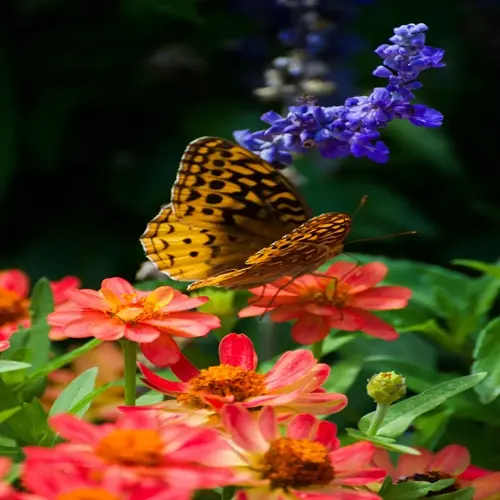
The worst part is what ecologists call an ecological trap. Your butterfly bush makes sweet nectar that lures adult butterflies in large numbers. You see all those wings and think your garden helps nature. But no caterpillar in North America can eat its leaves. Butterflies drink the nectar and leave without laying eggs. The plant draws them away from native hosts where their young could feed and grow.
The butterfly bush ecological impact gets ugly when you look beyond your yard. In Oregon and Washington, escaped bushes take over stream banks and logged areas. They form thick stands that shade out native shrubs like elderberry and ninebark. Those native plants fed dozens of insect species with both nectar and leaves. When your butterfly bush replaces them, the habitat can no longer support a full insect life cycle.
Butterfly Weed
- Larval host: Feeds monarch, queen, and gray hairstreak caterpillars while giving you nectar for adult butterflies and bees.
- Growth habit: Stays in a compact 2-foot clump and never sends out runners or drops invasive seedlings in your beds.
- Your care level: Cut dead stems in late spring and leave it alone for the rest of the year with zero pruning needed.
Buttonbush
- Pollinator magnet: Round white flower clusters draw over 24 butterfly species plus bees, beetles, and hummingbirds to your garden.
- Wildlife bonus: Seeds feed waterfowl, and the dense branches give songbirds nesting cover throughout your growing season.
- Native range: Grows across most of the eastern U.S. in moist to wet soils along your pond or stream edges.
New Jersey Tea
- Compact size: Tops out at just 3 feet tall, making it a perfect shrub for your borders and beds without heavy pruning.
- Caterpillar support: Hosts spring azure and mottled duskywing caterpillars while offering white flowers for your adult pollinators.
- Tough plant: Fixes nitrogen in your soil, handles drought, and grows back from roots after cutting or fire damage.
You can swap your butterfly bush for these native options over a season or two. Cut the bush back hard and dig out the root ball before it sets seed in late summer. Plant native shrubs in the same spot. You will notice more caterpillars and a wider mix of insects within a year.
Your butterflies will still come for nectar from these native plants. The big change is that they will also stay and lay eggs right in your garden. You support the full life cycle from egg to caterpillar to chrysalis to adult. That is something your butterfly bush can never do no matter how many flowers it puts out each summer.
Read the full article: Butterfly Weed: A Complete Growing Guide