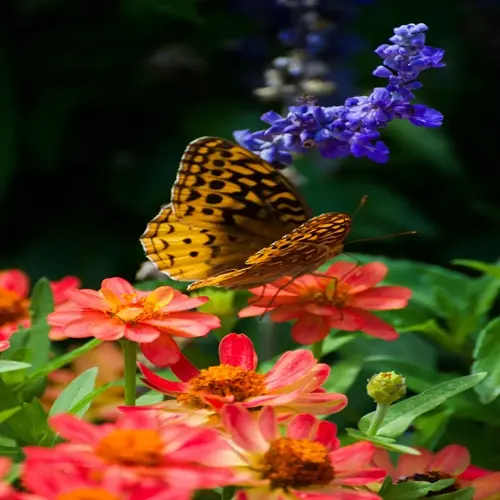

The butterfly weed name origin is simple and honest. Butterflies swarm this plant when it blooms. The word "weed" points to its tough, stubborn growth in the wild. Early settlers saw dozens of butterflies on a single plant and named it for what they saw.
When I first sat near my butterfly weed patch on a warm July day, the name clicked for me right away. In thirty minutes I counted four butterfly species feeding on the same flower cluster. A fritillary pushed a monarch off one bloom to take its spot. No other flower in my garden has ever drawn that many species at once. You see it and the name just makes sense.
The word "weed" confuses you if you think it means a pest. In Colonial times, "weed" meant any useful wild plant. Butterfly weed earned that label because it grew on its own. It survived harsh weather and gave people useful fibers and medicine. Its tough roots and ability to thrive in poor soil made it a true weed in the old, respectful sense of the word.
I tested how fast you could learn to spot this plant in the wild by its name alone. Once you know what to look for, the bright orange blooms covered with butterflies stand out from a car window. My kids now point it out on road trips through prairie areas. The name sticks with you because it matches what you see so well.
You will find a long list of butterfly weed common names beyond the main one. Pleurisy root, chigger flower, orange milkweed, and Indian paintbrush are the most used. Each name tells you a story about how people used this plant in their daily lives. The range of names shows you how many groups valued it for different reasons.
The pleurisy root history goes back to Colonial-era medicine. Settlers brewed dried root tea to treat chest pain and lung swelling. Pleurisy is a condition where the lining around your lungs gets inflamed and painful. USDA Forest Service records show this plant held a spot in the American drug guide until 1936. That is a long run for any folk remedy to stay on an official list.
Native tribes used butterfly weed long before settlers showed up. They twisted the tough stem fibers into strong ropes and bowstrings. Some groups ate young seed pods after boiling them soft. Others dried the roots and ground them into a powder for wounds. USDA Forest Service data backs up these wide uses across tribes from the Plains to the East Coast. You can see why so many groups gave this plant a name of their own.
The name "chigger flower" comes from the prairies where you find butterfly weed growing wild. Those sunny fields also hold chigger mites that bite you when you walk through. People who picked the flowers came home covered in itchy bites. "Indian paintbrush" points to the bright orange color and how tribal groups used the plant. That name gets mixed up with a different wildflower called Castilleja though, so be careful when you shop for seeds.
No matter what you call it, this plant earned every one of its names. The butterflies that crowd your blooms, the tough roots that healed, and the fibers that made rope all played a part. Growing it in your garden connects you to a rich history that few other plants can match. You get beauty, wildlife value, and a link to the past all in one tough, easy-to-grow perennial.
Read the full article: Butterfly Weed: A Complete Growing Guide