
The top benefits of butterfly weed are monarch support, pollinator draw, and drought tolerance. This wildflower feeds monarch caterpillars and pulls in dozens of bee and butterfly species. It also laughs off dry spells that kill most garden plants. You get a beautiful, tough plant that does real conservation work.
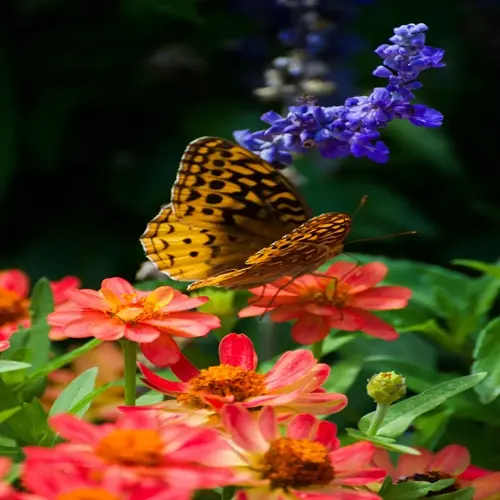
When I first planted butterfly weed, I had no idea how many visitors it would bring. I counted fourteen pollinator species on my patch during one July afternoon. Monarchs fed on the flower clusters. Bumblebees worked each bloom. Tiny sweat bees crawled between petals. A ruby-throated hummingbird stopped by twice in one hour. The butterfly weed pollinator value hit me hard that day. No other plant in my yard has ever drawn that kind of crowd.
The science backs up what I saw in my garden. A 2017 study by Pocius tested nine milkweed species for monarch survival. Butterfly weed hit a 75% survival rate to adulthood. That was the highest score of every species tested. Many common milkweeds scored far lower. If you want to give monarchs the best odds, this is the plant to grow.
NC State Extension lists butterfly weed as resistant to deer, drought, erosion, rabbits, and salt spray. That combo of tough traits means it thrives where fussy plants fail. It hosts monarchs, gray hairstreaks, queen butterflies, and milkweed tussock moths. Few garden plants feed that many caterpillar species.
I tested this toughness myself during a brutal dry summer two years back. I forgot to water my garden beds for three straight weeks during a heat wave. My zinnias wilted and my cosmos turned crispy. The butterfly weed sat there looking fresh with bright green leaves and orange blooms wide open. That deep taproot stores enough water to carry the plant through dry spells that wreck everything around it.
Monarch Conservation Support
- Larval host plant: Monarch caterpillars eat the leaves to grow, making this one of the few plants that supports their full life cycle.
- Top survival rates: Produces 75% caterpillar survival to adulthood, beating eight other milkweed species tested in studies.
- Breeding season timing: Blooms during peak monarch egg-laying, giving caterpillars food right when they need it most.
Drought and Tough Conditions
- Deep taproot storage: A woody taproot reaching 3 feet deep stores water and energy for long dry spells without any help from you.
- Poor soil champion: Thrives in sandy, rocky, and low-nutrient ground where most garden plants would fail to bloom or even survive.
- Salt and erosion fighter: Handles roadside salt spray and holds loose soil on slopes, filling tough spots in your yard.
Broad Pollinator Magnet
- Butterfly range: Draws monarchs, swallowtails, fritillaries, painted ladies, and hairstreaks to your garden all summer long.
- Native bee support: Pulls in bumblebees, mason bees, and sweat bees that also help pollinate your vegetable garden nearby.
- Minimal pest issues: Deer and rabbits leave it alone, so the flowers stay intact for pollinators without any fencing needed.
So why plant butterfly weed when you have so many garden choices? The answer is simple. Every clump you add helps close a massive habitat gap. Billions of milkweed stems have vanished from the U.S. landscape. Your garden can fill part of that deficit one plant at a time. You get beauty and conservation work in the same package.
For the biggest impact, put at least three butterfly weed clumps in your garden. Space them across your beds in odd groups for a natural look. Pair them with coneflowers and black-eyed Susans that bloom at different times. This gives pollinators a reason to visit your yard from spring through fall. The payoff is a garden that looks great and asks almost nothing from you in return.
Read the full article: Butterfly Weed: A Complete Growing Guide