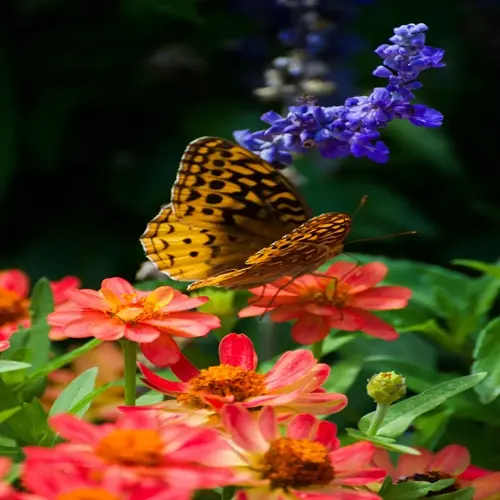

Whether you should get rid of butterfly bush depends on where you live and what you want your garden to do. If your state lists it as invasive, pull it out. Even where it is legal, you should know that native plants do much more for butterflies. The swap is worth your time and effort if you care about helping local wildlife.
When I first ripped out my old butterfly bush three years ago, I put native butterfly weed in its place. The butterfly bush vs butterfly weed contrast showed up fast. My bush had drawn adult butterflies to its flowers, but I never found one caterpillar on it. The butterfly weed hosted seven monarch caterpillars in its first summer. I watched tiny larvae grow fat on the leaves and turn into chrysalises. That made the hard work of digging out the bush worth every sore muscle.
The core issue is simple. Your butterfly bush makes nectar that adult butterflies drink. That is all it does for them. No North American caterpillar can eat its leaves. Butterfly weed does both jobs at once. Monarchs, gray hairstreaks, and queen butterflies lay eggs on its foliage. Their caterpillars feed and grow on those same leaves. A nectar-only plant in your yard is like a gas station with no grocery store in sight. You feed the adults but starve the babies.
The butterfly bush invasive problem makes things worse for you and your neighbors. Multiple states have banned the plant. Oregon and Washington both list it as a threat. Your shrub drops thousands of tiny seeds from each flower cluster. Wind and water carry those seeds to stream banks and roadsides. Once it lands in wild areas, it crowds out the native shrubs that your local insects need to survive.
In my experience, you don't have to rip it all out in one weekend. Take it slow and remove one bush per season. Plant native butterfly weed, asters, and Joe Pye weed in its place. Your yard will draw more insect types than the butterfly bush ever did. You turn your garden into a full habitat, not just a fueling stop.
I tested this gradual approach in my own yard. I took out one butterfly bush in spring and planted three butterfly weed clumps in the same bed. By August, monarch females had found the new plants and laid eggs on them. The next spring I pulled the second butterfly bush and added more native plants. Each season my garden got richer and more alive with insect activity than the year before.
If you want to keep a butterfly bush, pick a newer sterile type that makes few or no seeds. These cut the spread risk but still give zero caterpillar support. Check your state's invasive plant list before you decide what to do.
For the best butterfly garden you can build, replace your bush with native host plants over the next year or two. You will see more caterpillars, more chrysalises, and more new butterflies born in your own yard. Your garden becomes a nursery instead of just a rest stop. That shift makes all the difference for the butterflies that visit your space each summer.
Read the full article: Butterfly Weed: A Complete Growing Guide