
Knowing exactly when to plant kale for your location and climate zone makes all the difference. This superfood loves cool weather and will survive frost far better than most greens. In my own garden, I have observed that kale leaves sweeten after a light freeze. Get the timing right for a non-stop harvest.
Planting at the right time means better harvests and tastier crops. You can grow kale practically all year if you plan your seasons wisely. I recommend marking your local frost dates in your diary and familiarizing yourself with the season's planting strategies for spring, fall, and winter.
Kale Growing Fundamentals
Kale stands cold well and will even exhibit active growth at temperatures of 40 to 75 degrees. With some protection, it survives the winter down to zero, and I have harvested it through snow using simple cold frames. When the temperature exceeds 80 degrees, fall growth is apt to be bitter, and in hot localities, it is not wise to plant in the summer.
This plant is highly adaptable to various lighting conditions. Kale thrives with 4-6 hours of sun (full sun) but will also grow fine if near fencing or buildings that shade it even partially. My container-grown kale on a north-facing patio received only 3 hours of morning sun and still did fine.
Rates of growth vary enormously: baby leaves will take a mere 25-30 days; fully-grown plants 55-75 days. I succession plant every couple of weeks for continuous harvests from this crop. Prepare the soil with 2-3 inches of compost per 100 sq ft (or 5-7 cm per square metre).
Optimal Growth Range
- Temperature: 40°F to 75°F (4°C to 24°C)
- Conditions: Maximum leaf production and best flavor development
- Duration: Maintains growth for 50-75 days until maturity
Seed Germination
- Minimum: 40°F (4°C) soil temperature
- Optimal: 65°F to 75°F (18°C to 24°C)
- Timeline: 5-10 days for emergence
Frost Tolerance
- Seedlings: Survive down to 25°F (-4°C)
- Mature Plants: Withstand -10°F (-23°C) with protection
- Effect: Frost converts starches to sugars, improving flavor
Heat Stress Limit
- Threshold: Above 80°F (27°C)
- Effects: Bitter leaves, slowed growth, bolting risk
- Mitigation: Provide afternoon shade in hot climates
Winter Survival
- Daylight Requirement: Minimum 10 hours for active growth
- Dormancy: Below 20°F (-7°C) with snow cover
- Protection: Cold frames extend harvest below 10°F (-12°C)
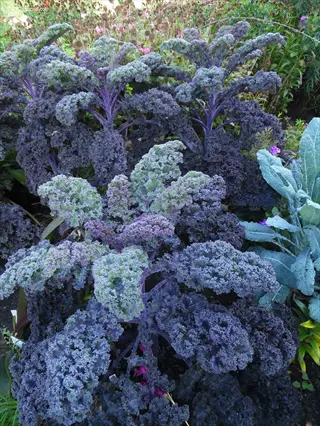
Full Sun Garden
- Location: Unobstructed south-facing plots
- Hours: 6+ hours direct sunlight daily
- Result: Fastest growth with maximum leaf production
- Tip: Water more frequently to prevent heat stress
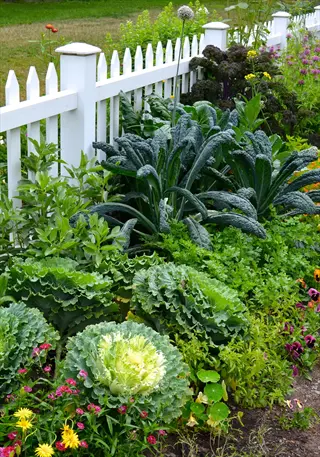
Partial Shade Fence
- Location: East-facing with morning sun/afternoon shade
- Hours: 4-5 hours sunlight with dappled shade
- Result: Slower growth but less bolting risk
- Tip: Ideal for warmer climates above 80°F (27°C)
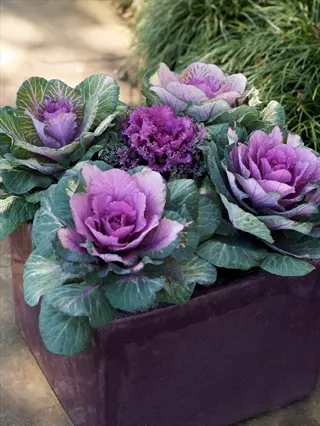
Container in Light Shade
- Location: Patios with northern exposure
- Hours: 3-4 hours filtered sunlight
- Result: Smaller leaves with milder flavor
- Tip: Rotate pots weekly for even growth
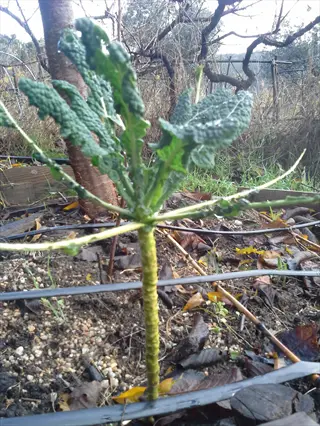
Under Tree Canopy
- Location: Deciduous tree drip lines
- Hours: 2-3 hours sun through branches
- Result: Extended harvest in summer heat
- Tip: Prune lower branches for better light
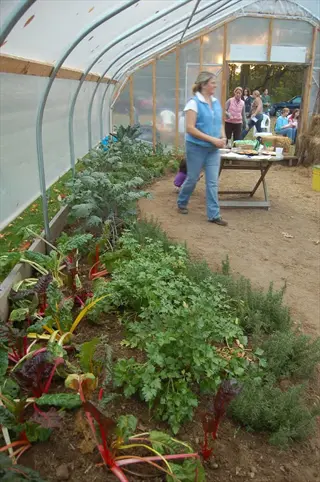
Winter Greenhouse
- Location: Unheated protected structures
- Hours: 2-3 hours weak winter sun
- Result: Continued leaf production in cold
- Tip: Wipe condensation daily for light penetration
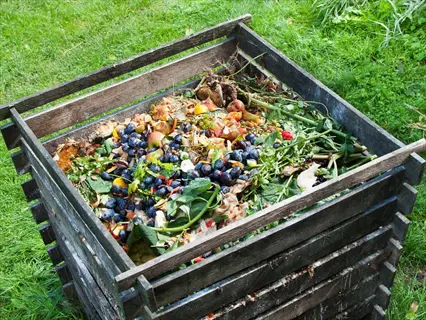
Compost Application
- Appearance: Dark crumbly organic matter
- Application: 2-3 inch (5-8 cm) layer worked into soil
- Effect: Improves moisture retention in sandy soils
- Timing: Apply 2 weeks before planting seeds
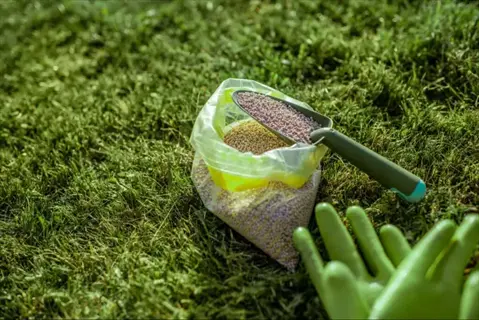
Balanced Fertilizer
- Appearance: Small uniform pellets
- Application: 1.5 cups per 100 sq ft (0.35L per sq m)
- Effect: Provides equal NPK for balanced growth
- Timing: Mix into topsoil at planting time
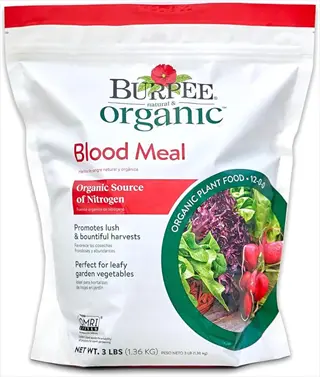
Blood Meal
- Appearance: Fine dark brown powder
- Application: 2 cups per 100 sq ft (0.47L per sq m)
- Effect: Rapid nitrogen boost for leafy growth
- Caution: Avoid over-application to prevent burning
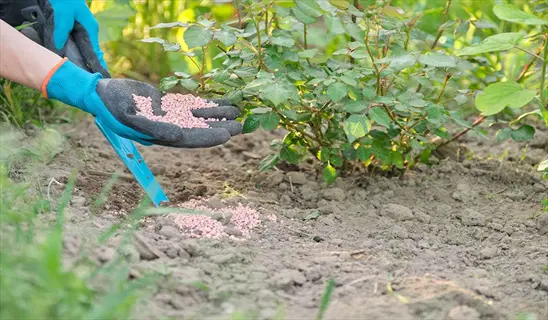
Lime for pH Balance
- Appearance: White/gray powder or pellets
- Application: 5 lbs per 100 sq ft (2.3kg per sq m)
- Effect: Raises pH in acidic soils below 6.0
- Test: Soil test required before application
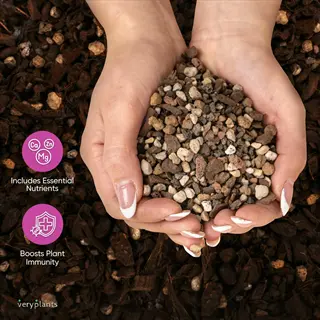
Perlite Mix
- Appearance: White volcanic glass particles
- Application: 4 quarts per 100 sq ft (3.8L per sq m)
- Effect: Prevents compaction in heavy clay soils
- Usage: Best mixed with compost for containers
When to Plant Kale by Season
Plant kale 4-6 weeks before your last spring frost (when the soil is 40°F (4°C)), and I always use this window for kale varieties like 'Winterbor' that are cold-tolerant at germination. Your garden center may have seedlings for sale. Still, I recommend waiting for an extended period of consistently cool days. Avoid planting in summer heat when the plants suffer and bolt.
For fall crops, plant 6-8 weeks before the first frost, when the days are below 75°F (24 °C). Choose fast-growing varieties, like Scarlet. Frost sweetens the leaves. I gather mine after a slight frost. If the frost threatens to be severe, cover the plants if the temperature drops below -7° C (20° F).
Hot climates call for a different timing. Plant only in late fall or winter, when the temperature is significantly less than 80°F (27 °C). Use shade cloth, if necessary, for young plants. 'Lacinato' is always the best in heat. Mild coastal areas can plant year-round. Summer in the far south for planting is to be avoided.
Spring Planting
- Timing: 4-6 weeks before last frost date
- Soil Temp: Minimum 40°F (4°C) for germination
- Varieties: 'Winterbor', 'Red Russian' (cold-tolerant)
- Tip: Use row covers for unexpected frost protection
Fall Planting
- Timing: 6-8 weeks before first frost date
- Temperature: Plant when below 75°F (24°C)
- Varieties: 'Darkibor', 'Scarlet' (fast-maturing)
- Benefit: Frost enhances sweetness in leaves
Winter Planting
- Timing: 10-12 weeks before first hard freeze
- Daylight: Requires 10+ hours for growth
- Protection: Cold frames needed below 20°F (-7°C)
- Harvest: Continues through winter months
Succession Planting
- Frequency: Every 2-3 weeks
- Method: Stagger seed sowing dates
- Result: Continuous harvest year-round
- Best For: Baby leaf production
Hot Climate Adjustments
- Season: Plant in late fall/winter only
- Temp Limit: Avoid planting above 80°F (27°C)
- Strategy: Use shade cloth for young plants
- Varieties: Heat-tolerant 'Lacinato'
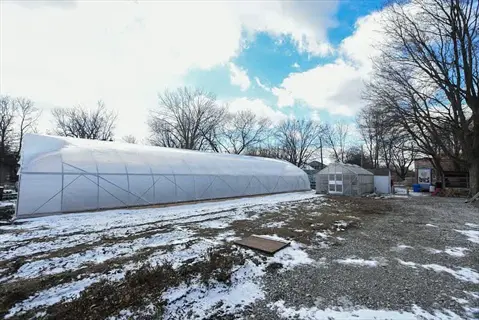
Northern Zones (3-5)
- Plant: Spring after frost & late summer
- Challenges: Short growing season
- Solution: Use cold frames for winter
- Tip: Mulch heavily after first freeze
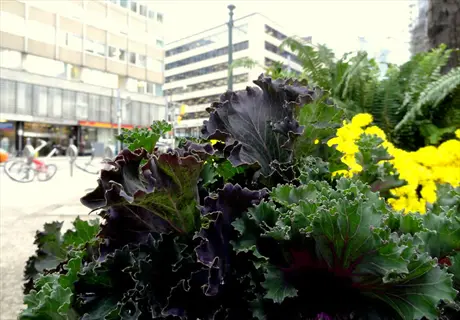
Temperate Zones (6-7)
- Plant: Spring, fall, and winter
- Advantage: Long harvest season
- Method: Direct sow in September
- Variety: 'Redbor' for color contrast
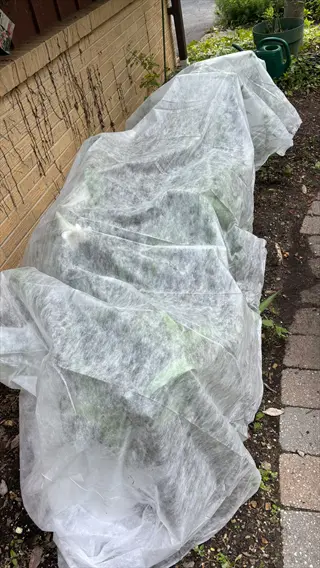
Southern Zones (8-10)
- Plant: Oct-Feb only
- Challenge: Summer heat stress
- Solution: Afternoon shade provision
- Harvest: Peak in Jan-Feb
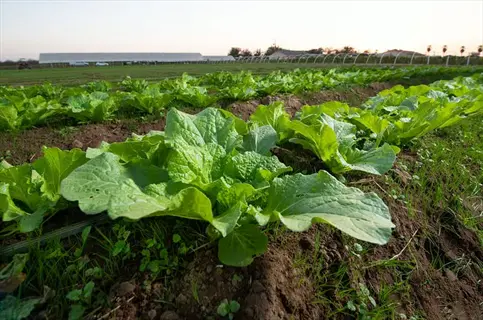
Coastal Climates
- Plant: Year-round except peak summer
- Benefit: Mild temperatures
- Issue: Salt wind damage
- Protection: Windbreaks or row covers

Mountain Regions
- Plant: Late spring to early summer
- Challenge: Short frost-free period
- Method: Start indoors 6 weeks early
- Variety: 'Dwarf Siberian' for compact growth
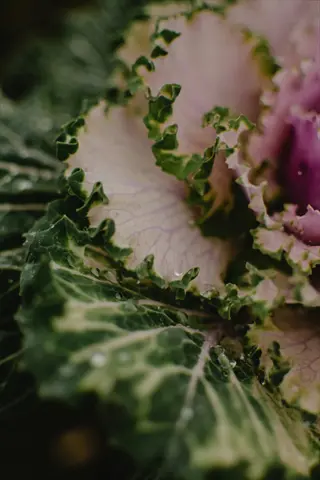
Zones 3-5
- Plant: Spring after frost & late summer
- Challenges: Short growing season
- Solution: Use cold frames for winter
- Tip: Mulch heavily after first freeze
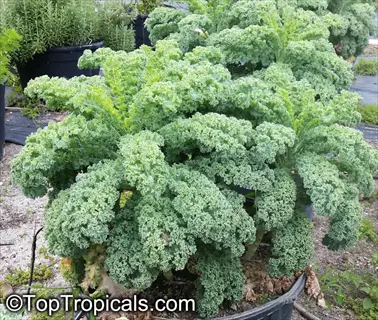
Zones 6-7
- Plant: Spring, fall, and winter
- Advantage: Long harvest season
- Method: Direct sow in September
- Variety: 'Redbor' for color contrast
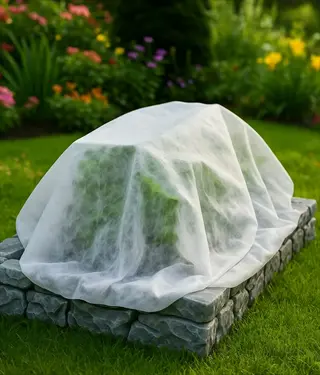
Zones 8-10
- Plant: Oct-Feb only
- Challenge: Summer heat stress
- Solution: Afternoon shade provision
- Harvest: Peak in Jan-Feb
How to Plant Kale Successfully
Start seeds indoors 4-6 weeks before the last frost in seed trays at a depth of ½ inch (1.3 cm). I harden off the seedlings for 7 days before I transplant them. You can also directly sow outdoors when the soil temperature reaches 40°F (4°C), planting at a depth of ¼-½ inch. Outdoor sowing may require protection from pests using row covers.
Space according to variety; the dwarf kinds require 12 inches of space apart, and Tuscan kale requires 24 inches of space apart. For growing in pots, use 5-gallon pots that are at least 12 inches deep. I rotate the pots weekly to give the plants equal sunshine.
To avoid transplant shock, ensure that the soil is well-watered. Move seedlings only on cloudy days or very late in the day. I shade my new plants for a couple of days, draping my 48- hour burlap shrouds over their heads. Burying the entire stem to its first leaves, though an extreme measure, may bring renewed roots as well.
Indoor Seed Starting
- Timing: 4-6 weeks before last frost
- Depth: ½ inch (1.3 cm) in seed trays
- Germination: 5-10 days at 65-75°F (18-24°C)
- Transplant: When seedlings have 4-6 true leaves
- Hardening Off: 7-day outdoor acclimation period
Direct Sowing Outdoors
- Soil Temp: Minimum 40°F (4°C)
- Depth: ¼-½ inch (0.6-1.3 cm)
- Spacing: Sow 1 inch (2.5 cm) apart; thin later
- Protection: Row covers against pests/frost
- Timeline: 55-75 days to harvest
Transplanting Seedlings
- Depth: Bury stems up to first leaves
- Spacing: 12-24 inches (30-60 cm) based on variety
- Watering: Deep soak immediately after planting
- Shade: Protect from sun for 2 days
- Timing: Cloudy days or late afternoon
Container Planting
- Pot Size: Minimum 12-inch depth (30 cm), 5-gallon (19L) volume
- Soil: Peat-free compost with perlite
- Temperature: Maintain above 25°F (-4°C) in winter
- Drainage: 2+ holes per container
- Varieties: 'Dwarf Green Curled', 'Yurok'
- Placement: Rotate weekly for even sun
Raised Bed Planting
- Soil Depth: 12-18 inches (30-45 cm)
- Amendments: 3-inch (7.6 cm) compost layer
- Spacing: 18 inches (45 cm) between plants
- Drainage: Slope 1-inch per 4-feet (2.5 cm per 1.2m)
- Winter Care: Heavy mulch after first freeze
Protecting and Maintaining Kale Plants
Kale should be protected from the cold when temperatures fall below 20°F (-7°C), as the burning stink bug readily attacks and destroys it. My method is to erect cold frames or cover with frost blankets at 25° (4°) at all events. A temperature above 80°F (27°C) in the air suggests using shade cloth. When the forecast promises to reach 75° (24 °C), hang the fabric over the plants, for they will turn bitter.
Combat your garden's pests organically using neem oil every 7-10 days to control cabbage worms. Planting with row covers will block flea beetles, though I sometimes plant mint near my cabbages and kale as a deterrent for aphids. In a humid climate, you will want extra airflow throughout. Check the leaves for holes every week to stop any infestations before they start.
Water seedlings daily, but those of the adult plant need only 1-2 inches of water a week. I water abundantly whenever we have a heat wave above 85°F (29°C). I water early in the morning to avoid the leaves wilting if I do it in the heat of the day. As a general rule, reduce watering by half when flowering begins. Winter-growing plants need moisture only during dry periods.
Fertilize with fish emulsion every other week during the early stages of growth, then switch to a monthly application of compost tea for mature plants. I don't feed when the buds form. Use a balanced 5-10-10 fertilizer when you plant them. Never fertilize winter kale when it is dormant.
Cold Protection
- Threshold: Below 20°F (-7°C) requires intervention
- Methods: Cold frames, cloches, or frost blankets
- Application: Install when temperatures drop below 25°F (-4°C)
- Tip: Ventilate on sunny days above freezing
Heat Management
- Threshold: Above 80°F (27°C) causes stress
- Methods: 30-40% shade cloth, afternoon watering
- Application: Install when forecast exceeds 75°F (24°C)
- Effect: Prevents bolting and bitterness
Wind Protection
- Need: For exposed or coastal gardens
- Methods: Windbreaks, burlap screens, or low fences
- Installation: Place 3-5 feet (0.9-1.5m) windward of plants
- Benefit: Reduces leaf tearing and moisture loss
Pest Prevention
- Primary Threats: Cabbage worms, aphids, flea beetles
- Barrier: Fine-mesh row covers installed at planting
- Spray: Neem oil every 7-10 days during infestations
- Humidity Control: Maintain airflow to deter fungal diseases in high humidity
- Companion Plants: Mint or thyme to deter pests
Winter Mulching
- Timing: After first hard freeze
- Materials: 3-4 inches (7-10 cm) straw or shredded leaves
- Application: Cover root zone, avoid stem contact
- Removal: Gradually in spring when temps >40°F (4°C)
Harvesting and Storing Kale
Harvest kale using the cut-and-come-again method. Pick the outer leaves first, cutting ¼ inch (0.6 cm) above where they attach to the stem. To produce more, leave the central bud growing. I cut once a week, 2-3 leaves per plant. This will keep you in kale for months.
Store kale in your refrigerator at temperatures of 32-36°F (0-2°C) and high humidity. Wrap the leaves in damp paper towels, then place them in plastic bags with perforations. Fresh kale will remain good for 7-10 days; throw out any yellowed or slimy leaves immediately. I always check my fridge for kale every few days.
To freeze kale, leaves will stay fresh for 8-12 months raw, and 12-14 months if blanched. Blanch the leaves in boiling water for 2 minutes, then plunge them into ice water. Pat them dry and pack them for freezing. I prefer using vacuum seal bags, which will guarantee the best quality. The kale should stay dark green, without any ice crystals or visible freezer burn.
Storage methods by quality: Fresh works fine as long as you eat it up quickly as it stays crisp, whereas frozen is great for cooking (add some to sauces, stir fries, and soups). The dehydrated makes a great but brittle snack. I frequently pack 1 pound batches in a sinkful of cold water into which I've dissolved a tablespoon of salt for every gallon of water. Properly stored, you will not lose any nutrients.
Baby Leaf Harvest
- Timing: 25-30 days after sowing
- Method: Cut entire rosette 1 inch (2.5 cm) above soil
- Regrowth: New leaves in 10-14 days
- Quality: Tender leaves under 4 inches (10 cm)
- Yield: 3-4 harvests per plant
Mature Leaf Harvest
- Timing: 55-75 days after sowing (hand-sized leaves)
- Method: Pick outer leaves first, leaving central bud
- Cut Position: ¼ inch (0.6 cm) above leaf base
- Quality: Firm texture, deep color
- Frequency: Weekly during peak season
Frost-Enhanced Harvest
- Best Timing: After first light frost
- Effect: Starch converts to sugar, improving flavor
- Tip: Harvest in morning after frost melts
- Quality Test: Sweet taste, no wilting
- Caution: Avoid frozen leaves to prevent damage
Whole Plant Harvest
- When: End of season or before bolting
- Cut Height: 2 inches (5 cm) above soil
- Quality: Intact roots, no pest damage
- Regrowth Potential: May resprout in mild climates
- Storage: Refrigerate whole for up to 1 week
Continuous Harvest Strategy
- Method: Pick 2-3 leaves per plant weekly
- Benefit: Extends production to 6+ months
- Quality Maintenance: Avoid yellowing leaves
- Stop Signal: When plants start flowering
- Yield Boost: Fertilize monthly during harvest
5 Common Myths
Kale requires constant warm weather to grow properly and will die in cold conditions
Kale thrives in cool weather and actually improves in flavor after frost exposure. This cold-hardy vegetable can survive temperatures down to -10°F (-23C) with proper protection like cold frames or heavy mulch. The plant's natural antifreeze compounds convert starches to sugars during cold spells, enhancing sweetness while maintaining nutritional value. In fact, kale often produces better quality leaves in fall and winter than during hot summer months.
Kale plants need full sun all day long and won't grow well in shaded areas
While kale benefits from sunlight, it only requires 4-6 hours of direct sun daily and can thrive in partial shade. In hotter climates, afternoon shade actually prevents bitterness and bolting. Gardeners with limited sun exposure can successfully grow kale in east-facing locations receiving morning sun or under dappled tree light. Container varieties like 'Dwarf Blue Curled' even produce well on shaded patios with just 3 hours of filtered sunlight daily.
Harvesting kale leaves will kill the plant, so you should only cut the entire head at once
Regular harvesting actually stimulates new growth through the 'cut-and-come-again' method. When you pick outer leaves while leaving the central bud intact, the plant continues producing for 6+ months. Proper technique involves cutting leaves inch above the base with clean shears, which prompts the growth point to generate new foliage. This sustainable approach yields 3-4 times more leaves than single-harvest methods over a growing season.
Kale can only be planted in spring, and fall planting won't produce a worthwhile harvest
Fall is actually the optimal planting season for kale in most regions because cooler temperatures improve flavor and texture. Planting 6-8 weeks before first frost allows roots to establish before winter, leading to vigorous growth when temperatures drop. The cold triggers physiological changes that reduce bitterness while increasing sugar content and nutrient density. Many gardeners report their best harvests from fall-planted kale that overwinters under row covers.
It is difficult to grow kale in small space (as pots or around your house) as it makes a very big plant
Dwarf versions of kale are made for pot growing and are able to produce much better than most other plants grown in these small areas. There are types of dwarf kale that grow only between 12-14 inches tall like "Dwarf Green Curled" and will grow perfectly in 12-inch deep containers. If you keep them spaced between 10-12 inches apart and keep them cut back, you will get an abundance of container-grown kale. In addition, you may also use vertical gardening systems to grow kale effectively in smaller spaces on your small balcony, with the added benefit of growing kale at cold temperatures where they are normally grown best.
Conclusion
With careful timing, you can harvest kale year-round. Plant "after the last frost in spring" for early crops. Set out fall starts 6 to 8 weeks before your first fall frost. Use cold frames for winter harvests in regions that drop below 20°F. I've picked fresh leaves every month for years by this method.
This superfood is hugely nutritious! One cup contains over 1000% of your RDA for vitamin K and a significant amount of vitamin C. It contains sulforaphane compounds, which fight cancer at the cellular level. Personally, I add raw kale to my smoothies every day, and no other green could perform as well as kale during cold weather.
Kale revels in temperatures that cause spinach and lettuce to shiver. Protected plants will survive to †-10°F (-23°C), outperforming the rest. Sow some seeds indoors now so that you can enjoy your next winter harvest. Check your frost dates today and treat your future self to a mess of greens.
External Sources
Frequently Asked Questions
What is the best time to plant kale?
Plant kale 4-6 weeks before the last spring frost or 6-8 weeks before the first fall frost. Optimal soil temperature is 40-75°F (4-24°C) for germination. Avoid summer planting in hot regions where temperatures exceed 80°F (27°C).
Can kale survive winter conditions?
Yes, mature kale survives down to -10°F (-23°C) with protection like cold frames. Frost enhances sweetness by converting starches to sugars. Winter harvests continue in zones 6-7 with 10+ daylight hours and proper mulching.
What companion plants should be avoided near kale?
Avoid planting kale with tomatoes, strawberries, or pole beans. These inhibit growth through nutrient competition or allelopathy. Instead, choose companions like:
- Mint or thyme to repel cabbage worms
- Onions to deter aphids
- Beets for efficient space use
How much sunlight does kale require daily?
Kale thrives in 4-6 hours of direct sun but tolerates partial shade. In hot climates, afternoon shade prevents bitterness. Container varieties like 'Dwarf Blue Curled' grow well with just 3 hours of filtered light.
Can I plant kale in containers successfully?
Absolutely. Use 12-inch deep pots with drainage holes and compact varieties like 'Dwarf Green Curled'. Maintain 10-12 inch spacing and rotate containers weekly. Kale in 5-gallon containers yields abundant harvests with monthly fertilization.
How often should kale be harvested?
Harvest outer leaves weekly using cut-and-come-again method. Cut ¼ inch above the base to stimulate regrowth. Baby leaves mature in 25-30 days, while full-sized leaves take 55-75 days. Avoid harvesting during frost events.
What are critical mistakes to avoid when growing kale?
Key mistakes include:
- Planting in temperatures above 80°F causing bitterness
- Overcrowding plants beyond 24-inch spacing
- Neglecting row covers for pest prevention
- Harvesting entire plants instead of selective leaves
How long does kale produce edible leaves?
With proper harvesting, kale produces leaves for 6+ months. Plants bolt and decline when temperatures consistently exceed 75°F (24°C). In mild climates, biennial varieties like 'Red Russian' regrow after winter dormancy.
What soil conditions optimize kale growth?
Kale needs well-drained soil with pH 6.0-7.5. Amend with:
- 2-3 inches of compost per 100 sq ft
- Balanced 5-10-10 fertilizer at planting
- Lime if soil is acidic
- Perlite for clay soil drainage
Can kale be grown year-round in all climates?
Year-round growth is possible only in zones 8-10 with winter planting. Northern zones (3-5) have spring-fall cycles, while southern zones avoid summer heat. Use cold frames or greenhouses to extend seasons elsewhere.