
I remember once pulling a garden beet far too young. It was a small disc with a bland flavor. This was my first lesson in "when to pull beets"; everything changes, and the taste is largely dictated by the timing, for better or worse. Get it right, and no other vegetable can come close to the sweetness of a mature beet.
Harvest too early and the roots stay small. Harvest too late and they go woody. Five things will tell you when to pick: size, visibility of shoulders, leaf condition, number of days in the ground and, weather indicators. These let you know when to pick.
Understanding Beet Growth Cycles
Beets are cultivated like carrots and radishes. They live for two years in life; the first year is spent producing roots and leaves, while the second is dedicated to flowering. They are then best suited for use when gathered, in the initial production.
Leeks develop quickly, and you will soon see full, green leaves. It always takes longer for the roots to swell underground after the leaves fall off. So, the size of the leaves often doesn't indicate the readiness of the roots. Instead, look to the development of the roots to tell you when to lift.
The ideal temperature for growing beets is cool, between 60°F and 70°F, with cooler temperatures allowing sugar to accumulate in the root vegetables. If temperatures rise above 85 degrees Fahrenheit, the resulting woodiness will negatively impact the yield. For best results, plant during the spring or fall, avoiding the extreme heat of summer.
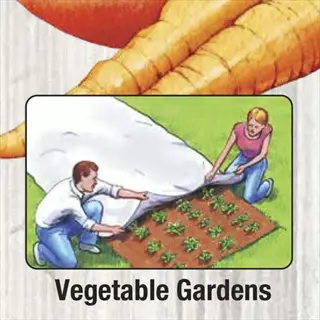
A light frost helps sweeten them. In the range of 32-40° F., the cold transforms starch into sugar. This natural process sweetens the roots, causing no harm whatsoever. You should guard against a hard frost, however, as it may injure the roots. Try to have a row cover handy if it is encountered early.
Optimal Conditions
- 55-75°F (13-24°C): Ideal for steady root development and sugar accumulation
- Light frosts: Enhance sweetness by converting starches to sugars
- Consistent moisture: Prevents woody texture and zoning (color banding)
Risks to Avoid
- Above 85°F (29°C): Causes heat stress leading to tough, pithy roots
- Hard freezes: Damages cell structure if roots remain in frozen ground
- Dry spells: Triggers premature bolting (flowering) ruining root quality
Soil pH Requirements
- 6.0-7.0 pH: Ideal range for nutrient absorption
- Below 6.0: Causes boron deficiency affecting root quality
- Above 7.0: Tolerable but may reduce nutrient availability
Watering Practices
- 1 inch weekly: Minimum requirement during active growth
- Deep watering: Encourages downward root development
- Mulching: Conserves moisture and regulates soil temperature
Companion Planting Benefits
- Bush beans: Fix nitrogen in soil naturally
- Garlic/onions: Deter flea beetles and other pests
- Lettuce: Provides ground cover to retain moisture
5 Essential Harvest Signs
Look for shoulder visibility first. Ripe beets push a third of themselves above the soil surface. You see a collar, 1 to 3 inches (2.5 to 7.6 cm) wide. This shoulder tells you that the roots formed below ground, and this harbinger is the absolute most reliable sign.
Baby beets feel tender under your fingers and need no peeling before cooking. Mature ones, measuring 2 to 3 inches (5 to 7.6 centimeters), will feel dense, firm, and smooth to the touch. Those that grow too large (more than 3 inches) become woody. Select a size that suits the recipe.
A strong root system is associated with healthy foliage. Foliage that is actively growing will be 8-12 inches (20-30 cm) tall, vibrant, and green. Leaves that are yellow or wilting indicate that the root system has stopped developing; be aware of any changes in the leaves, as they will indicate the health of the root system at that time.
Monitor from the day of planting to the harvest date, typically 55-70 days from planting, as indicated on the seed packets. If you are planting in cold soil, germination will be delayed. Still, if you are growing in hot weather, the rate of germination will be expedited. This information is to serve as a guide only, not as a set rule.
Monitor the weather conditions for frost. Beets will become sweeter within three days of frost occurring at temperatures ranging from 32 to 40°F (0 to 4°C). Temperatures exceeding 85°F (29°C) will cause toughness in the beet. The optimum time to harvest your crop is before experiencing hard freezes, while the best time to pull roots for storage is in the cool temperatures of the morning.
Days Since Planting
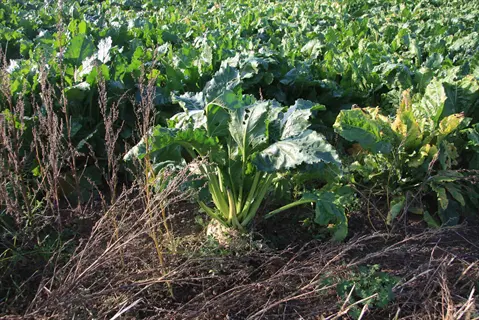
- Baseline Timing: Most varieties mature 55-70 days after sowing; check seed packets for exact range
- Inspection Start: Begin checking roots at the earliest harvest date specified; use calendar reminders
- Germination Variance: Cool soil temperatures below 50°F (10°C) can delay sprouting by 1-2 weeks
- Weather Impact: Hot summers above 85°F (29°C) accelerate growth but reduce final sugar content
- Succession Tracking: Record planting dates for different batches to stagger harvest windows
- Visual Confirmation: Days count provides guidance but always verify with physical root inspection
Shoulder Visibility
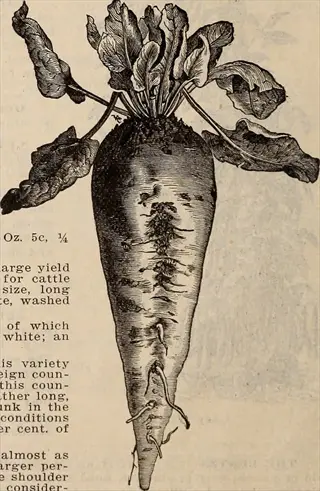
- Protrusion Test: Mature beets push their top third (shoulders) above the soil line visibly
- Diameter Check: Exposed shoulders should measure 1-3 inches (2.5-7.6 cm) across for optimal harvest
- Texture Assessment: Gently rub shoulders; they should feel firm not spongy when ready
- Color Development: Shoulders show deep, uniform color (red/gold/white depending on variety)
- Re-burying Protocol: If undersized, cover with compost and water; recheck in 7 days
- Harvest Trigger: Broad shoulders indicate developed taproots; avoid waiting for cracking

Root Size
- Baby Beets: 1 inch (2.5 cm) diameter; tender skin needs no peeling; best for roasting whole
- Medium Beets: 1-2 inches (2.5-5 cm); balance of sweetness and firmness; ideal for salads
- Mature Beets: 2-3 inches (5-7.6 cm); robust flavor; requires peeling; perfect for pickling
- Oversized Risk: Beyond 3 inches (7.6 cm) often becomes woody; salvage with slow cooking
- Size Consistency: Harvest when majority reach desired size; smaller ones continue growing
- Golf Ball Benchmark: Visualize size against common objects; carry a ball for comparison
Leaf Health
- Growth Indicator: Vibrant, upright leaves 8-12 inches (20-30 cm) tall signal active root development
- Wilting Warning: Drooping or yellowing leaves mean roots have stopped growing; harvest immediately
- Frost Response: Light frosts cause temporary wilting but improve sweetness; not a harvest cue
- Pest Clues: Holes or spots indicate insect damage; harvest if roots are mature enough
- Balanced Harvest: Never remove more than ⅓ of leaves if harvesting greens before roots
- Final Stage: Leaves lose shine and darken slightly when roots reach peak maturity
Weather Cues
- Frost Sweetening: Temperatures between 32-40°F (0-4°C) convert starches to sugars over 3+ days
- Freeze Deadline: Harvest all beets before hard freeze when soil solidifies; roots crack otherwise
- Heat Stress: Temperatures above 85°F (29°C) cause woody texture; harvest early if heatwave hits
- Rain Preparation: Water deeply 24 hours before harvest if soil is dry; eases root extraction
- Fall Advantage: Cool autumn days intensify color and flavor; extend season with row covers
- Storage Timing: Harvest in morning coolness for longest shelf life; avoid midday summer heat
Premature Harvest
- Baby Beet Use: Peel-free roasting or pickling whole; skins remain tender under 1 inch (2.5 cm)
- Greens Focus: Nutrient-rich leaves compensate for small roots; sauté like spinach immediately
- Storage Limitation: Last only 5 days refrigerated; lack protective skin layers for long storage
- Recovery Tip: Leave adjacent beets undisturbed; they'll continue growing 2-3 weeks longer
Delayed Harvest
- Texture Rescue: Slow-roast at 300°F (149°C) with olive oil for 2+ hours to soften fibers
- Peeling Essential: Remove tough skin completely; reveals edible flesh underneath woody exterior
- Greens Check: Discard yellowed leaves; use only firm green portions if still viable
- Prevention: Set phone reminders at 70-day mark; inspect shoulders weekly after day 50
Optimal Harvest Window
- Peak Sweetness: 1-2 weeks after shoulders fully emerge but before soil temperature drops below 40°F (4°C)
- Visual Cues: Uniform color development without cracks; leaves perky with deep green/red hue
- Tactile Test: Firm resistance when gently squeezed; no soft spots or sponginess
- Continuous Harvest: Pull largest roots first; allow smaller ones to size up over 10-14 days
Weather-Delayed Harvest
- Rain Delay: Wait 48 hours after heavy rain to harvest; wet soil compacts around roots causing damage
- Heat Pause: Postpone harvest during heatwaves; resume when temperatures drop below 80°F (27°C)
- Frost Protection: Cover with straw or row covers if early frost threatens before harvest
- Wind Considerations: Harvest before strong winds that may break leaves or expose roots
Multi-Variety Timing
- Early Varieties: 'Babybeat' ready in 40 days; harvest at 1 inch (2.5 cm) for best flavor
- Mid-Season Types: 'Detroit Dark Red' matures 55 days; ideal at 2-3 inches (5-7.6 cm)
- Storage Varieties: 'Lutz Green Leaf' takes 80 days; harvest late for winter keeping
- Color Differences: Golden beets mature faster than red; Chioggia slowest at 65+ days
Harvesting Techniques & Tools
Prepare the soil at least a day in advance of harvesting. Water the earth adequately and then finish working until the soil feels like a crumbly cake. Dig a hole six inches deep. Soil that is of good quality will "hold" in shape, and when you squeeze it lightly with your fingers, it will break apart. If necessary, use a fork to aerate the compact soil around the roots.
Select your tools based on the type of soil. Use a hori hori knife for rocky or clay ground, a spade or spading fork to harvest in sandy places. Insert the tool at an angle, four to six inches from the main stems, and wiggle it gently to loosen the roots.
When handling beetroot, be gentle as you would with an egg. Instead of grabbing each beet stem, hold the beet's leaves just above the crown. As you lift the beet from the ground, rock it side to side and listen as the soil separates from the beet's root. If you feel resistance while lifting and require the beet to come out of the ground, try loosening additional soil rather than tugging hard.
Use "try no tool" methods in loose soils, rotating the beet one quarter turn to sever the fibrous roots. Cup the soil below the shoulders, and the beet will pull more readily from it. Still, the method is only useful for roots less than two inches in diameter. It should not be employed on roots grown in hard, compact clay.
Soil Preparation
- Watering Timing: Irrigate soil 24 hours before harvest; moist soil should clump lightly in hand without dripping
- Moisture Check: Dig 6-inch (15 cm) test hole; ideal when soil holds shape but crumbles under pressure
- Compaction Relief: Use garden fork to aerate perimeter if soil feels dense; avoid piercing roots
Root Loosening
- Tool Selection: Choose hori hori knife for clay soils, spading fork for sandy soils
- Angled Insertion: Insert tool 4-6 inches (10-15 cm) from stem at 45° angle; wiggle gently to fracture soil
- Depth Control: Stop when tool tip reaches beet's base; feel for resistance to avoid cutting
Extraction Method
- Hand Positioning: Grasp leaves near crown where stems converge; avoid pulling individual stems
- Leverage Technique: Rock beet gently side-to-side while lifting; listen for soil release sounds
- Stuck Root Protocol: If resistant, re-loosen soil; never yank to prevent stem detachment
Field Cleaning
- Soil Removal: Shake roots gently; use soft brush for stubborn dirt in crevices
- Leaf Handling: Trim to 1 inch (2.5 cm) above crown; retain for immediate cooking if undamaged
- Culling Criteria: Discard roots with deep cuts or rodent bites to prevent rot spread
No-Tool Alternative
- Hand Technique: Rotate beet 90° in soil to break small roots; cup soil below shoulders to lift
- Ideal Conditions: Works best in loose, compost-rich soil after rain; avoid in compacted clay
- Size Limit: Effective for beets under 2 inches (5 cm); larger roots require tool assistance
Post-Harvest Handling
Handle greens and roots differently immediately after gathering. Beet greens must be attended to without delay. Rinse them in cold water within thirty minutes, then dry thoroughly with a salad spinner or towels. Store them separately from the roots. They will keep for three to five days.
Keep unwashed beets in perforated plastic bags. A damp paper towel in the bag provides extra moisture. Store in the refrigerator at 32°F to 40°F (0°C-4°C), where they should last two to four weeks. Store in a root cellar or freeze for long-term storage.
Beets can be frozen after they are whole and blanched for 25 minutes. After running them under cold water to cool, use a rub to remove the skin underneath the water. Beets must be cut into slices or cubes before being placed in an air-tight container. When frozen properly, Beets will last for 8-10 months.
Check your spoilage regularly and discard any roots with spots or mold on them. If you find yellow slimy greens, the plant has gone bad. If you see white fuzz on the roots, the root is rotting. Remove any damaged roots immediately to protect the remaining food.
Beet Greens Treatment
- Immediate Rinsing: Submerge in cold water within 30 minutes; swish to remove soil
- Drying Protocol: Spin in salad spinner; pat dry with paper towels to prevent slime formation
- Stem Trimming: Cut tough stems above leaf base; retain tender midribs for cooking
- Damage Inspection: Discard yellowed or slimy leaves; use only crisp greens
Root Cleaning
- Soil Removal: Brush gently with soft vegetable brush; avoid washing if storing long-term
- Taproot Handling: Leave ½ inch (1.3 cm) of taproot attached to prevent bleeding
- Curing Exception: Do not cure beets; unlike potatoes they require immediate processing
Short-Term Preparation
- Refrigeration Prep: Place dry roots in perforated plastic bags; add damp paper towel for humidity
- Greens Storage: Wrap in dry paper towels; store in sealed container in crisper drawer
- Pre-Cutting: Cube or slice only what you'll use in 48 hours to preserve nutrients
Freezing Techniques
- Blanching Requirement: Boil whole beets 25-30 minutes until fork-tender; ice bath immediately after
- Peeling Trick: Rub skins under cold water after blanching; slips off easily
- Storage Format: Freeze in slices/cubes on tray first; transfer to airtight bags
Root Cellar Setup
- Sand Packing: Layer unwashed beets in crates with slightly damp sand; roots shouldn't touch
- Temperature Control: Maintain 32-40°F (0-4°C) with 90-95% humidity using hygrometer
- Mold Prevention: Check biweekly; remove any soft roots immediately
Troubleshooting Common Issues
Why are my beets small, yet have such big tops? This is often an indication of excessive nitrogen fertilization. Use reduced nitrogen products such as 5-10-10 mixes. Bone meal should provide the phosphorus. Have your soil tested to adjust pH within the 6.0 to 7.0 range. Future crops will do better.
What makes beets woody in texture? Heat exposure above 85°F, combined with overcrowded roots, results in toughness. Protect with shade cloth during heatwaves. Harvest at an immature size of 2-3 inches. Slow-roast the woody beets in olive oil to soften them, or puree them into a soup if the texture is still unacceptable.
White rings in beets indicate temperature fluctuations. Mulch heavily to even out soil temperatures. Don't overwater and shock their roots. Although these are edible, they are not as sweet as others, roast for maximum flavor. If you desire "rings" in your beets, grow 'Chioggia'.
Cracked roots denote erratic watering. Pick immediately, or they will begin to rot. Prevent by using drip irrigation to apply one inch of water each week. Improve your soil with compost, and it will hold moisture. Test the soil for moisture, and avoid letting any bed become dry before watering it.
Small Roots with Lush Greens
- Cause: Excess nitrogen fertilizer prioritizing leaf over root growth
- Fix: Switch to low-N, high-P fertilizer (5-10-10); add phosphorus-rich bone meal
- Prevention: Test soil annually; target 6.0-7.0 pH for balanced nutrient uptake
- Recovery Time: 3-4 weeks after amendment; affects only future crops
Woody or Fibrous Texture
- Cause: Over-maturity combined with heat stress above 85°F (29°C)
- Fix: Slow-roast with olive oil at 300°F (149°C) for 2+ hours to tenderize
- Prevention: Harvest at 2-3 inch (5-7.6 cm) size; use shade cloth in heatwaves
- Salvage Use: Puree for soups or juice with apples to mask texture
White Zoning in Roots
- Cause: Temperature fluctuations during growth causing uneven pigment
- Fix: Still edible but less sweet; roast to concentrate flavors
- Prevention: Mulch heavily to regulate soil temperature; avoid overhead watering
- Variety Choice: Grow 'Chioggia' intentionally for striped pattern
Split or Cracked Roots
- Cause: Inconsistent watering followed by heavy rain/irrigation
- Fix: Harvest immediately; cracks invite rot and pests
- Prevention: Maintain 1 inch (2.5 cm) weekly water; use drip irrigation
- Soil Tip: Amend with compost to improve moisture retention
Bolting (Premature Flowering)
- Cause: Stress from heat, drought, or root disturbance
- Fix: Harvest immediately; roots turn bitter after bolting
- Prevention: Plant bolt-resistant varieties; water consistently in heat
- Greens Use: Flower stalks edible; sauté like broccoli rabe
5 Common Myths
Larger beets always taste better and have superior texture compared to smaller ones.
This is incorrect because oversized beets develop woody, fibrous textures as they age beyond maturity. Sugar concentration peaks at 2-3 inches (5-7.6 cm), making smaller beets sweeter and more tender. Commercial growers harvest at golf-ball size for premium markets due to superior flavor and peel-free preparation. Always prioritize firmness and shoulder diameter over sheer size for optimal eating quality.
All beet varieties require exactly the same number of days to mature and reach harvest readiness.
Different varieties have distinct growth rates: 'Babybeat' matures in 40 days at 1 inch (2.5 cm), while 'Ruby Queen' needs 60 days for full development. Storage varieties like 'Lutz Green Leaf' require 80+ days. Soil temperature, sunlight, and seed genetics cause variations of 10-15 days between types. Always check seed packets for specific maturity timelines rather than assuming uniformity.
Beets absolutely need exposure to frost to develop their characteristic sweetness and rich flavor.
While frost converts starches to sugars, enhancing sweetness, it's not mandatory. Properly grown beets in 55-75F (13-24C) develop natural sugars through photosynthesis. Commercial growers in frost-free regions produce sweet beets using temperature-controlled fields. Frost merely accelerates sugar accumulation; consistent growing conditions and timely harvest are more critical factors for flavor development.
Beet greens are inedible waste material that should be discarded immediately after harvest.
Beet greens contain higher levels of iron, calcium, and vitamin K than the roots themselves. They're culinary assets: saut with garlic as a spinach alternative, blend into smoothies, or bake into chips. Discarding them wastes 40% of the plant's nutrients. Always store greens separately and use within 3 days to maximize their nutritional benefits and versatility.
Washing beets immediately after harvest extends their storage life by removing soil bacteria.
Moisture from washing accelerates rot by creating ideal conditions for fungal growth. Unwashed beets retain their protective epidermal layer, lasting 3-5 months in root cellars. Professional growers brush off dry soil but avoid water contact until preparation. If you must wash, dry thoroughly and refrigerate for no more than 2 weeks, never for long-term storage.
Conclusion
Always remember that for beets, the most important clues are shoulder visibility and root size. If you can see the crown above the soil and grip and squeeze the bonnie, with solid 2-3 inch roots, the timing for pulling the roots out of the ground is perfect. No sign ever fails.
The satisfaction of knowing when to harvest can't be beat: Imagine biting into that perfect crunch. You are collecting garden chops like baseball cards. Believe in what you've learned through clues in the soil and the weather. Aren't you going to shine?
Next year's perfect beet harvest is just around the corner. Apply these techniques and your beets will shine! Share your success with a fellow gardener. And remember to keep the joy of homegrown food in mind as we plan for next season.
External Sources
Frequently Asked Questions
How do I know when beets are ready to harvest?
Check for visible shoulders protruding 1-3 inches above soil, firm texture, and 2-3 inch diameter size. Mature beets show deep color and vibrant leaves. Count days from planting (usually 55-70) but verify with physical inspection.
Can beets be left in the ground too long?
Yes, overmature beets develop woody texture and lose sweetness. Harvest before hard frosts or temperatures above 85°F. Oversized roots become fibrous and less flavorful. Always harvest when shoulders are fully exposed but before cracking occurs.
What happens if I harvest beets too early?
Premature beets are tender but small, with underdeveloped flavor. They lack protective skin layers, shortening storage life to 5 days. Use baby beets immediately for roasting or sauté greens. Adjacent beets will continue growing if undisturbed.
How should I store harvested beets?
For roots: Brush off soil, refrigerate unwashed in ventilated bags for 2-4 weeks. For greens: Rinse, dry thoroughly, wrap in paper towels. Long-term options include sand-packed root cellars or freezing after blanching and peeling.
- Root cellar storage: 3-5 months at 32-40°F with high humidity
- Freezing: Blanch whole beets 25-30 mins, peel, and pack airtight
Why are my beet roots small but leaves large?
This indicates nitrogen imbalance. Excess nitrogen promotes leaf growth over roots. Use low-nitrogen fertilizer (5-10-10) and test soil pH. Amend with phosphorus-rich bone meal. Future crops will benefit, but current beets won't improve.
Can I eat beets after they start flowering?
Bolted beets develop bitter roots but edible flower stalks. Harvest immediately upon flowering. Use stalks like broccoli rabe. Prevent bolting by planting bolt-resistant varieties and maintaining consistent moisture during heat waves.
How do I prevent woody beet texture?
Avoid heat stress above 85°F using shade cloth. Harvest at 2-3 inch size before overmaturity. Ensure consistent watering (1 inch weekly) and mulch soil. Choose varieties suited to your climate for optimal texture.
Are beet greens edible and nutritious?
Yes, greens contain more iron, calcium and vitamin K than roots. Sauté with garlic, blend in smoothies, or bake as chips. Use within 3 days of harvest. Discarding them wastes 40% of the plant's nutrients.
What causes white rings inside beet roots?
Temperature fluctuations create uneven pigment distribution. While edible, these beets are less sweet. Prevent by mulching heavily and avoiding overhead watering. Note that Chioggia varieties naturally show this striped pattern.
Can I harvest beets after frost?
Light frosts (32-40°F) enhance sweetness by converting starches to sugars. But harvest before hard freezes that solidify soil. Frozen roots crack and spoil. Use row covers to extend season safely in cold climates.