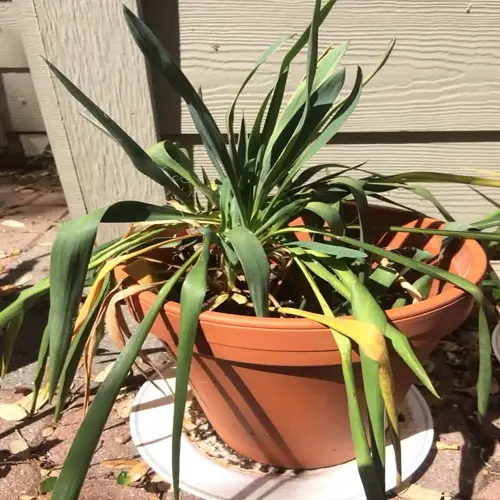

Large leaves but small roots on your beets indicate a common dilemma: this generally means you have too much nitrogen in your soil. If you spot this then you know you have too much nitrogen in your soil, which is sending all of its energy toward the leaves instead of the tubers.
Soil Correction
- Test pH: aim for 6.0-7.0 range
- Switch to low-nitrogen fertilizer (5-10-10)
- Add bone meal for phosphorus boost
Organic Alternatives
- Use compost instead of synthetic fertilizers
- Apply kelp meal for balanced micronutrients
- Plant nitrogen-fixing cover crops between seasons
Water Management
- Deep watering encourages root development
- Avoid light frequent sprinkling
- Use drip irrigation for consistent moisture
Before making any changes, test your soil to ensure optimal conditions. Home kits are great for a general check, but an in-depth lab analysis is the best approach. You want to learn the levels of nitrogen, phosphorus, and potassium at the very least. Amend the soil according to results, not assumptions. This prevents problems from arising down the line.
You will not be able to improve upon small-rooted beets today. You may, however, harvest and eat the nutritious beet greens - they can be sautéed with garlic and served as a substitute for spinach. While the roots themselves are still edible, roasting them whole helps concentrate the flavor.
To prevent the recurrence for the next season, to rotate the beet crops with legumes that naturally fix nitrogen, and to space the plants apart to provide adequate root development (3 to 4 inches apart). During growth, monitor the leaf colour so that you can see how much nitrogen (too much nitrogen will cause dark green leaves).
You should create a well-planned and synchronized fertilization schedule. Use root-specific fertilizer during the planting process and apply extra compost to your plants as they begin to develop root systems. Growth will be best balanced in subsequent harvests if you do not use nitrogen after the end of the growing season.
Read the full article: When to Harvest Beets: 5 Essential Signs