
Recognizing the signs of overwatering plants well in advance could save your green friends from a soupy grave. Overwater and you drown the roots, cutting them off from oxygen in the soil. The watering can could be the enemy, quietly killing leaves and stems. Too many plant lovers I've met have lost their favorites this way.
Identify the issue before it worsens, and it's fixable. Wait and risk losing the roots, which is irreversible. Check your plants regularly; once every couple of days is sufficient. Look out for soil that doesn't dry out as it should. Believe me, your plants will appreciate it.
Prevention helps you understand your plant's needs (some like a drink every week, while others thrive when left to their own devices) and to listen when dropping leaves plead for help, or a mushy stem is a sign of disaster.
10 Key Signs of Overwatering Plants
If you see yellow leaves, that's your first signal that your plant is drinking too much. Unlike underwatered leaves, which are crispy and brown, overwatered leaves are uniformly yellow and feel squishy. Peace lilies are experts at showing this, with droopy, yellow spears when they're overwatered. Always check the soil before grabbing the watering can.
Mushy stems: If you have succulents, such as a jade plant that has mushy stems, press the stem at the base lightly with your finger; if it feels like overcooked pasta, it will be root rot sitting in, she is telling you! A plant struggling from being too dry will have stems that feel dry and brittle, however.
Got tiny flies buzzing around your monstera? Those are most likely fungus gnats, insects that thrive in moist soil. If you're seeing them, that means your watering schedule is putting fertilizer and school supplies in their nursery. Let the soil dry out, and you kill off their little larval life-forms. Adjust your watering schedule before it causes more root damage.
Damp soil that remains that way for days indicates poor drainage. Stick your finger in deep. If it's muddy, the roots are choking for air. Good soil is no denser than a wrung-out sponge. And don't forget, 'overwatered' plants smell musty; dry plants smell nothing.

Yellowing Leaves
- Description: Uniform yellowing in younger leaves indicates excess water blocking essential nutrient absorption pathways in plants
- Differentiation: Unlike nutrient deficiency patterns showing striped discoloration, overwatering causes complete leaf yellowing without green veins
- Common Plants: Frequently observed in moisture-sensitive peace lilies, golden pothos, and other popular tropical houseplants
- Immediate Action: Check soil moisture immediately using your finger; if saturated, stop watering for minimum 2-3 weeks duration
- Prevention: Install moisture meters to regularly monitor saturation levels between watering sessions for accurate prevention
- Pro Tip: While older leaves naturally yellow during senescence, new leaf yellowing consistently signals overwatering trouble
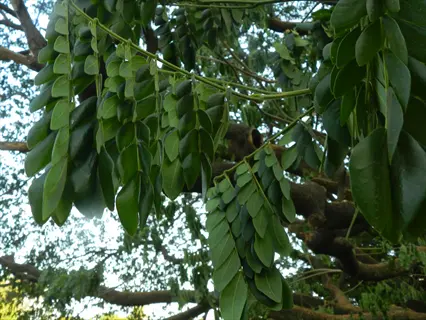
Wilting with Soft Leaves
- Description: Limp, mushy foliage despite wet soil indicates severe root suffocation and advanced cellular breakdown from rot
- Differentiation: Leaves feel soft and waterlogged unlike crispy, brittle texture found in severely underwatered plants
- Common Plants: Affects spider plants, Boston ferns, and other species requiring careful moisture balance management
- Immediate Action: Carefully remove plant from pot to visually inspect roots for blackened, rotting sections
- Prevention: Always use pots with drainage holes and avoid decorative containers without proper drainage outlets
- Pro Tip: Paradoxical wilting occurs in both over/underwatered plants - crucial soil check determines actual cause
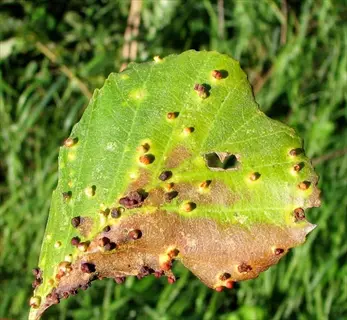
Edema (Leaf Blisters)
- Description: Corky spots or protrusions result from burst plant cells due to internal water pressure buildup
- Differentiation: Unique to overwatering scenarios; never occurs in dehydrated plants experiencing drought stress conditions
- Common Plants: Prominent in fiddle leaf figs, wax begonias, and ornamental camellias showing cellular damage
- Immediate Action: Immediately reduce watering frequency while improving air circulation around affected foliage
- Prevention: Water exclusively in mornings allowing daytime evaporation for excess moisture reduction
- Pro Tip: Young developing leaves remain most vulnerable; inspect new growth weekly for early detection
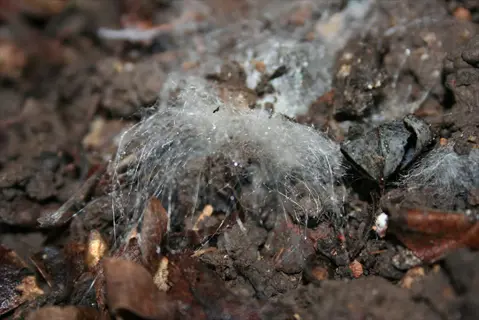
Mold/Algae Growth
- Description: Green/white fuzzy patches signal constant dampness creating ideal fungal breeding environments
- Differentiation: Distinct from dry mineral crust; appears slimy with rapid spreading across surfaces
- Common Plants: Occurs universally in overwatered plants but accelerates dramatically in low-light environments
- Immediate Action: Carefully scrape off affected soil layers and replace top 2 inches (5 cm) completely
- Prevention: Allow complete soil surface drying between waterings to inhibit fungal spore germination
- Pro Tip: Sprinkle cinnamon powder as natural antifungal treatment if mold recurs persistently
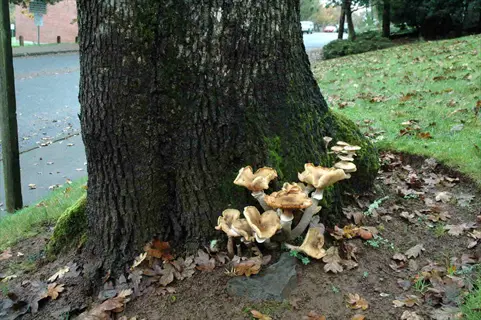
Root Rot
- Description: Black/brown slimy roots emitting foul decaying odor indicate irreversible cellular damage
- Differentiation: Healthy roots appear white/yellow; rotten roots disintegrate upon gentle finger pressure
- Common Plants: Devastates epiphytic orchids, desert succulents, and any species in waterlogged conditions
- Immediate Action: Surgically trim all affected roots using sterile tools before repotting fresh mix
- Prevention: Select terracotta pots that naturally wick away excess moisture through porous walls
- Pro Tip: Sterilize cutting shears with 70% rubbing alcohol between each root excision step

Leaf Drop
- Description: Sudden shedding of green/yellow/brown leaves across all growth stages indicates systemic failure
- Differentiation: Occurs rapidly within days in overwatered plants versus gradual loss in underwatering
- Common Plants: Dramatically affects weeping figs, cape jasmine, and indoor citrus varieties severely
- Immediate Action: Relocate plant to bright indirect light location to accelerate soil drying process
- Prevention: Regularly lift pots to gauge weight; light containers need water, heavy ones don't
- Pro Tip: Leaf drop occurring within 48 hours after watering confirms overwatering diagnosis
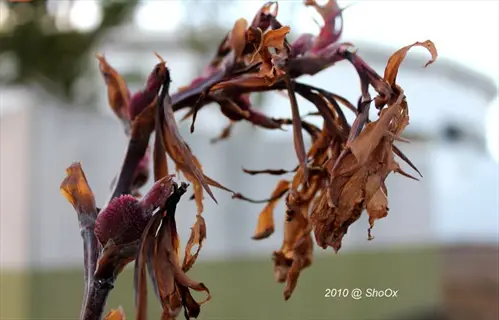
Mushy Stems
- Description: Soft collapsing stems near soil level indicate complete cellular structural breakdown
- Differentiation: Base feels unstable and oozes moisture unlike dry brittle stems from dehydration
- Common Plants: Critical emergency sign in succulents like jade plants and snake plants
- Immediate Action: Propagate healthy upper stem cuttings immediately if base becomes compromised
- Prevention: Religiously empty saucer water accumulations within 30 minutes after each watering
- Pro Tip: Conduct weekly stem firmness checks - healthy resistance indicates good hydration balance
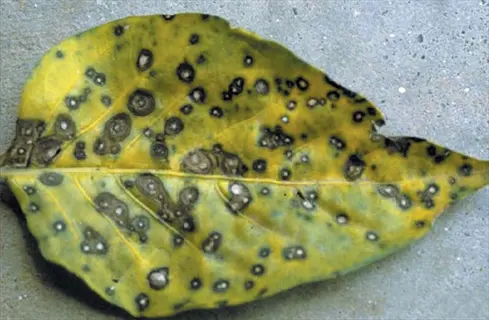
Brown Spots with Yellow Halos
- Description: Circular lesions surrounded by yellow borders signal aggressive bacterial/fungal invasions
- Differentiation: Distinctive halos differentiate from nutrient deficiency spots lacking colored margins
- Common Plants: Common in calatheas, corn plants, and maranta prayer plants showing infection
- Immediate Action: Isolate plant and surgically remove affected leaves using sterilized cutting tools
- Prevention: Water exclusively at soil level avoiding foliage wetness that spreads pathogens
- Pro Tip: Increase physical spacing between plants to significantly improve protective air circulation
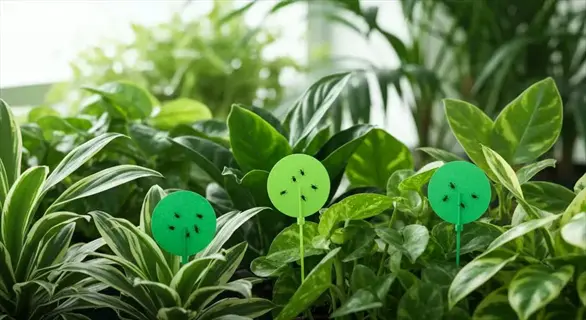
Fungus Gnats
- Description: Tiny black flies hovering indicate larvae thriving in constantly damp soil conditions
- Differentiation: Distinct from fruit flies through exclusive soil attraction rather than produce
- Common Plants: Breed explosively in moisture-loving peace lilies and similar tropical varieties
- Immediate Action: Deploy yellow sticky traps while allowing complete soil drying for control
- Prevention: Apply 0.5 inch (1.25 cm) sand layer to physically block larvae emergence successfully
- Pro Tip: Persistent gnat populations indicate root damage; inspect root health immediately
Stunted Growth
- Description: Complete absence of new shoots or dramatically slowed development during active seasons
- Differentiation: Whole-plant stagnation rather than selective branch die-back seen in other issues
- Common Plants: Noticeable in vigorous growers like pothos, heartleaf philodendrons, and tomatoes
- Immediate Action: Investigate root-bound conditions; repot immediately if roots circle container
- Prevention: Seasonally adjust watering: reduce by 50% during winter dormancy periods naturally
- Pro Tip: Document monthly growth progression through photographs to accurately track recovery
Why Overwatering Harms Plants
Imagine your plant roots drowning in their own home. Water fills every air pocket in the soil, which means the soil is essentially airless. Roots gasp for oxygen like a drowning swimmer. Without air, they can no longer push nutrients upward. This deprivation of the oxygen they need to breathe kills them. Without making a sound, they die of suffocation from the ground up.
Nutrients leach away (like nitrogen) or get locked in muck, leaving your plant starving in water. Leaves yellow? Roots cannot absorb iron and magnesium. I've watched this betrayal dim out, roomy monsters!
Water is like a freeway for fungus gnats and deadly molds. They jump a ride on droplets right to weakened roots. And when they arrive? Boom! Spread, just like that, in the moist soil of your overwatered peace lily, now nothing more than a buffet for the scavengers overnight!
Root Suffocation
- Process: Water fills air pockets in soil, preventing oxygen from reaching roots
- Consequence: Roots cannot perform respiration needed for energy production
- Visible Effect: Plants wilt despite wet soil because roots can't transport water
- Timeframe: Damage occurs within 24-48 hours of continuous saturation
- Exception: Aquatic plants have specialized tissues for underwater oxygen uptake
Nutrient Lockout
- Process: Excess water dissolves and washes away essential nutrients like nitrogen
- Consequence: Soil pH imbalance prevents nutrient absorption even if present
- Visible Effect: Yellowing leaves despite fertilizer application
- Critical Minerals: Iron, magnesium and potassium become most unavailable
- Recovery: Requires soil replacement after resolving drainage issues
Fungal Proliferation
- Process: Damp conditions activate water molds causing root rot infections
- Consequence: Pathogens attack compromised roots through natural openings
- Visible Effect: White fuzz on soil or blackened roots with foul odor
- Spread Rate: Root rot colonies double every 24 hours at 70°F (21°C)
- Control: Requires complete soil replacement and root sterilization
Cellular Damage
- Process: Water pressure bursts plant cell walls causing edema lesions
- Consequence: Permanent scar tissue forms on leaves and stems
- Visible Effect: Corky brown spots on new growth surfaces
- Vulnerability: Young tissues most affected due to thinner cell walls
- Irreversibility: Damaged cells cannot be repaired - only new growth replaces
Toxin Accumulation
- Process: Airless soil bacteria produce ethanol and hydrogen sulfide
- Consequence: Toxins poison roots creating rotten egg odor at 0.1% concentration
- Visible Effect: Foul smell from soil indicating sulfur compound buildup
- Detection: Soil pH drops below 5.0 in severe toxicity cases
- Remediation: Activated charcoal amendments bind toxic substances
Checking Soil Moisture
Start with the finger test; it should be nice and free. Push your finger into the soil up to the second knuckle. Dry soil comes away from your finger while damp earth sticks to it. Useful for small pots, but not entirely reliable. Think of it as your early warning system.
A more reliable moisture meter can be purchased for $10 to $30. Probe the ground near the roots, taking care to keep the edges of the pot clear of the probe. Readings of 1-3 mean dry, 4-7 mean moist, and 8-10 mean wet. This gives you a brownish-yellow accuracy, and has to be cleaned after each use.
Train yourself to be a wizard at gripping pots using the "pot weight" method. When you water your plants, heft each pot in your hand. If it feels light, that indicates your plant is thirsty. Conversely, if it feels heavy, it has enough moisture to last a little longer. Note: Terracotta pots feel lighter than plastic at the same level of wetness. This method is free of charge, moderately accurate, but requires considerable practice as well.
Try the chopstick test on your more sensitive roots. Stick a firm wooden chopstick in the soil for ten minutes if you see signs of dampness, great; if not, dry. This method is free and works best on orchids, where you want only medium accuracy with minimal disturbance to the roots.
Finger Test
- Procedure: Insert index finger up to second knuckle (about 2 inches/5 cm deep)
- Reading: Dry soil feels warm and crumbly; moist soil cools skin slightly
- Accuracy: Low - subjective interpretation varies by experience
- Best For: Quick checks on established plants with deep root systems
- Limitation: Ineffective for large pots where depth exceeds finger length
Moisture Meter
- Procedure: Insert probe vertically near root zone; avoid touching pot sides
- Reading: Scale shows 1-3 (dry), 4-7 (moist), 8-10 (wet) with color indicators
- Accuracy: High - calibrated sensors detect electrical conductivity changes
- Calibration: Test in water and air before use; clean probes after each insertion
- Cost Range: $10-$30 for reliable models with replaceable probes
Pot Weight Method
- Procedure: Lift pot after watering; note heavy weight as baseline reference
- Reading: Lightweight indicates dry soil; heavy suggests adequate moisture
- Accuracy: Medium - requires memorization of plant-specific weight profiles
- Training Tip: Weigh on scale initially: 1-2 lbs (0.5-1 kg) difference signals dryness
- Best For: Small/medium pots under 12 inches (30 cm) diameter
Chopstick Test
- Procedure: Insert wooden chopstick vertically; leave for 10 minutes
- Reading: Dark stains indicate moisture; clean stick means dry conditions
- Accuracy: Medium - similar to finger test but shows sub-surface moisture
- Advantage: Prevents root disturbance compared to finger probing
- Plant Types: Ideal for orchids and delicate root systems
Visual Inspection
- Procedure: Examine soil surface and pot drainage holes
- Reading: Cracking soil = dry; water droplets at holes = saturated
- Accuracy: Low - surface appearance doesn't reflect root zone moisture
- Supplement: Combine with finger test for subsurface verification
- Warning Sign: Soil pulling away from pot edges indicates severe dehydration
Step-by-Step Plant Rescue
Stop watering right away once you notice signs of root rot. Put your plant in bright indirect light for 7-10 days, allowing the soil to dry completely. Avoid exposing it to heaters or sunlight to force it dry, however tempting it may be. I've saved many a plant by ignoring that urge.
Gently take out the plant and wash the roots under lukewarm water. You will notice some rotten roots that will be brown or black in colour and collapse when touched. Disinfect tools using isopropyl alcohol, then cut 1 inch above the rotten part. Remove the rotten roots into sealed bags to prevent contamination of other plants.
Select a pot that is 1-2 inches (2.5-5cm) wider than the rootball and has drainage holes. Fill with well-draining soil mixed with 30% perlite. Position the plant at its original depth. Water the area with approximately 1 inch or 2 inches of water, using about 1/4 cup (60ml) of water, enough to settle the roots without compacting the soil.
Place in a location with a temperature of 65-75°F (18-24°C) and plenty of indirect light. Water when the top 2 inches of soil feel dry to the touch. New growth should be visible in 2-3 weeks, and the plant should recover fully in 4-8 weeks. During this time, refrain from fertilizing, as it may set the plant back even further.
Immediate Water Cessation
- Action: Stop all watering immediately upon detecting overwatering signs
- Monitoring: Place plant in bright indirect light (65-75°F/18-24°C) to accelerate drying
- Timeframe: Maintain dry conditions for minimum 7-10 days before assessment
- Warning: Do not attempt to dry with artificial heat sources like heaters
- Checkpoint: Soil must be completely dry before proceeding to root inspection
Root System Examination
- Procedure: Gently remove plant from pot; shake off excess soil from roots
- Identification: Healthy roots are white/yellow and firm; rotten roots are brown/black and mushy
- Odor Test: Foul decaying smell confirms root rot presence
- Equipment: Use clean hands or soft brush to avoid damaging viable roots
- Preparation: Prepare sterile workspace with newspaper or clean tray
Surgical Root Trimming
- Sterilization: Wipe pruning shears with 70% isopropyl alcohol before each cut
- Technique: Cut 1 inch (2.5 cm) above rotten sections at 45-degree angles
- Preservation: Retain all white/yellow roots even if sparse
- Treatment: Dust cuts with cinnamon powder as natural antifungal agent
- Disposal: Seal infected roots in plastic bag before discarding
Repotting Protocol
- Pot Selection: Choose new container 1-2 inches (2.5-5 cm) wider than root mass with drainage holes
- Soil Mix: Use well-draining soil: combine 2 parts potting soil + 1 part perlite/sand
- Plant Positioning: Set plant at original depth; fill gaps gently without compacting soil
- Initial Watering: Moisten lightly with 1/4 cup (60 ml) water to settle roots
- Sterilization: Clean old pot with bleach solution (1:10 ratio) if reusing
Recovery Environment Setup
- Lighting: Provide bright indirect light for 6-8 hours daily (east-facing window ideal)
- Humidity: Maintain 40-50% levels using pebble trays; avoid misting foliage
- Watering Resume: Water only when top 2 inches (5 cm) of soil are completely dry
- Nutrition Ban: No fertilizer for 4-6 weeks to prevent chemical stress
- Monitoring: Document new leaf emergence as positive recovery indicator
Long-Term Vigilance
- Schedule: Water only after soil moisture checks (finger/meter tests)
- Adjustments: Reduce watering by 30-50% during winter dormancy periods
- Root Checks: Gently inspect root tips through drainage holes every 2 months
- Prevention: Apply neem oil drench quarterly to suppress soil pathogens
- Recovery Timeline: Full rehabilitation typically takes 4-8 weeks for most plants
Watering Best Practices
Master the thorough soaking method for deep hydration: Water your houseplant thoroughly, until at least 20% additional water drains from the bottom or drainage holes. As a guideline, water 1 cup (240ml) for every 6 inch (15cm) diameter pot. This way, you guarantee that the moisture penetrates the depth of the roots without leaving them sitting in saturated soil for too long. Also, terracotta pots need water twice as often as plastic pots, because they breathe so much more.
Try bottom watering for those sensitive ones, particularly African violets, that will not tolerate having water poured into their pots or leaves. Stand the pots in water that is two inches deep for 30 minutes. The soil will be dark when sufficiently wet. Empty the tray before putting the plants back, to obviate the risk of white fungus. This system is unsatisfactory in water-repellent soils, but it saves the lives of many plants that are liable to crown rot.
Don't forget to track your soil moisture. Use a meter or the pot weight technique (pot weight is impacted when watered. Pick up a pot to "feel" its weight and moisture baseline. Water the plants when the weight drops 25-30% from the heavy weight. Plastic pots feel heavier at the same moisture level than terracotta does. Find some scales for pots 5 lbs. and under.
Seasonal Adjustments: Water 50% more in the summer heat, but 50% less in the winter. Very humid weather will require less water, 30% less. Where the light is very strong, plants will require more, 40% more. Always see how the soil is before you water your plants. They need different treatment, just like the weather.
Thorough Soaking Method
- Procedure: Water slowly until 20% excess drains from pot bottom (requires drainage holes)
- Volume Guide: 1 cup (240 ml) per 6-inch (15 cm) pot diameter
- Benefit: Ensures complete root zone hydration without saturation
- Frequency: Apply only when top 2 inches (5 cm) soil is dry
- Exception: Reduce to 50% volume for succulents and cacti
Bottom Watering
- Procedure: Place pot in 2-inch (5 cm) water tray for 30 minutes
- Indicators: Soil surface darkens when adequately moistened
- Best For: Plants prone to crown rot like African violets
- Prevention: Empty tray immediately after to avoid mosquito breeding
- Limitation: Not effective for water-repellent peat-based soils
Moisture Meter Calibration
- Calibration: Test in dry soil (0-3) and water (8-10) before use
- Placement: Insert probe at 45° angle near root zone, not pot edge
- Reading: Water when meter shows 3-4 for most houseplants
- Maintenance: Clean probes with soft cloth after each use
- Accuracy Check: Verify against finger test monthly
Pot Weight Assessment
- Training: Weigh after watering: note heavy baseline; reweigh when light
- Difference Threshold: Water when pot loses 25-30% weight
- Pot Types: Terracotta feels lighter than plastic at same moisture level
- Scale Use: Digital scale for pots under 5 lbs (2.3 kg)
- Proficiency: Mastery requires 2-3 weeks of daily practice
Environmental Adjustment
- Light Impact: High light = 2x more water than low light
- Humidity Rule: Reduce watering by 30% when humidity >60%
- Temperature: Increase by 25% above 80°F (27°C), decrease below 60°F (15°C)
- Airflow: Fans increase evaporation = water 20% more frequently
- Microclimates: South windows need 40% more water than north
- Pot Weight Integration: Use pot weight checks to confirm environmental adjustments
5 Common Myths
Many gardeners mistakenly believe that wilting always means your plant requires immediate watering
Wilting can paradoxically indicate both underwatering and overwatering. When roots are waterlogged, they suffocate and rot, losing their ability to transport water to leaves despite wet soil. This causes identical wilting symptoms to drought stress. Always check soil moisture before watering to avoid drowning already stressed roots.
There's a persistent misconception that all plants should be watered on a strict weekly schedule
Watering frequency depends on plant species, pot size, light exposure, temperature, and humidity. Succulents may need monthly watering while ferns require twice-weekly hydration. Seasonal changes also dramatically affect needs - winter dormancy reduces water requirements by 50%. Relying on schedules causes chronic overwatering and root rot.
A common but incorrect assumption is that yellow leaves always indicate under-watering or nutrient deficiency
While nutrient deficiencies cause patterned yellowing, uniform yellowing in younger leaves primarily indicates overwatering. Excess water suffocates roots, blocking iron and nitrogen absorption. This creates chlorosis indistinguishable from drought stress. Always inspect roots and soil moisture before supplementing nutrients to avoid exacerbating root rot.
Some plant owners incorrectly think misting provides adequate hydration and can replace proper watering
Misting only increases humidity temporarily without hydrating roots. Water droplets evaporate within minutes, failing to penetrate soil where roots absorb moisture. Tropical plants benefit from humidity but still require soil watering. Relying solely on misting causes chronic dehydration and nutrient starvation since roots access 98% of water needs from soil.
Many people falsely assume that extra water won't harm plants if their pots have drainage holes
Even with drainage, frequent watering prevents essential dry periods where roots absorb oxygen. Constant saturation creates anaerobic conditions where harmful bacteria thrive, producing root-suffocating toxins. Drainage only removes excess water after damage occurs - the key is frequency, not just drainage capability. Soil must partially dry between waterings.
Conclusion
Overwatering. With more of us giving a "proper" drink to our plants, sooner or later, we tend to drown a victim or two. You can avoid this tragedy by learning to observe your plants. Noticed a heavy pot recently? Watched the soil resist drying out? Watering needs adjustment, and pronto. You become a better plant parent with every observation, and prevention, of course, is easier than cure.
Even the plants that arrive in poor condition can be rescued, provided you act promptly. Cut away any rotten roots and transfer the plant to fresh soil to encourage new growth to sprout. If you've done your job right, you'll soon have evidence. I've held nearly dead monsteras in my hands that recovered in a few short weeks of cheerful effort.
Get the hang of moisture management, and enjoy the rewards forever. Happier plants need less fuss (and replacing). You'll save people money on replacements and gain confidence as your jungle flourishes per your needs. Good habits lead to a plant paradise of little stress.
Include your own experiences with rescuing plants in the comments section. Describe how you recognized that your plants were receiving too much water. You may also ask for advice on your most difficult plants. Sharing your success stories helps other plant lovers learn from your mistakes and keeps us all growing together as a plant-loving community!
External Sources
Frequently Asked Questions
How do you fix an overwatered plant?
To rescue an overwatered plant, first stop watering immediately and let soil dry completely. Gently remove the plant to inspect roots, trimming rotten sections with sterilized tools. Repot in fresh well-draining soil, then resume minimal watering only when topsoil is dry. Ensure proper drainage and light conditions during recovery.
What are the key signs of overwatering plants?
The most critical signs of overwatering include uniform yellowing of young leaves, mushy stems near soil, and persistent wilting despite wet soil. Other indicators are mold on soil, foul odors from roots, fungus gnats hovering, and brown spots with yellow halos on foliage.
Can plants recover from severe overwatering?
Yes, plants can recover if root rot hasn't destroyed over 60% of the root system. Success depends on early intervention: trim infected roots, repot in sterile soil, and provide ideal recovery conditions. Most plants show new growth within 4-8 weeks with proper care.
How to differentiate underwatering from overwatering symptoms?
Key differences:
- Overwatered plants have soft, limp leaves; underwatered ones develop crispy, brittle foliage
- Yellowing in overwatering affects new growth uniformly; underwatering causes brown edges
- Soil stays soggy for days in overwatering versus bone-dry in underwatering
- Roots smell rotten when overwatered but appear dry and shriveled when underwatered
What causes root rot in overwatered plants?
Root rot occurs when waterlogged soil suffocates roots, depriving them of oxygen. This creates anaerobic conditions where harmful fungi like Pythium thrive. These pathogens attack root cells, causing decay that spreads upward. Left untreated, it blocks nutrient absorption and eventually kills the plant.
How can you check for waterlogged soil?
Effective methods to detect waterlogging:
- Finger test: Insert finger 2 inches deep - damp soil sticks, dry soil crumbles
- Moisture meter: Readings above 7 indicate saturation
- Pot weight: Unusually heavy pots suggest water retention
- Chopstick test: Wood shows dark stains if moist
- Visual cues: Mold or algae on soil surface
Do brown leaf tips always mean overwatering?
No, brown tips alone don't confirm overwatering. While overwatering causes generalized browning with yellow halos, underwatering creates crispy brown edges without yellowing. Other causes include low humidity, fertilizer burn, or chemical sensitivity. Always check soil moisture before adjusting water.
How to prevent overwatering in different seasons?
Seasonal prevention strategies:
- Summer: Water early morning; increase frequency but verify with moisture meter
- Winter: Reduce watering by 50%; use room-temperature water
- Spring/Fall: Transition gradually; monitor light and temperature changes
- Year-round: Always check top 2 inches of soil before watering
Can misting replace watering for thirsty plants?
No, misting only temporarily increases humidity without hydrating roots. Water absorption occurs almost exclusively through roots in soil. Misting leaves may benefit tropical plants but doesn't address core moisture needs. Relying solely on misting leads to dehydration and nutrient deficiencies.
What soil types prevent overwatering issues?
Optimal soils for drainage:
- Mix 2 parts potting soil with 1 part perlite or coarse sand
- Add orchid bark for epiphytes like monsteras
- Use cactus/succulent mix for drought-tolerant species
- Avoid pure peat moss which compacts and retains water
- Incorporate activated charcoal to absorb toxins