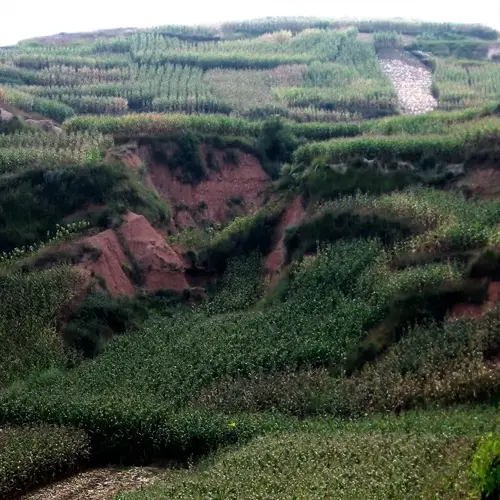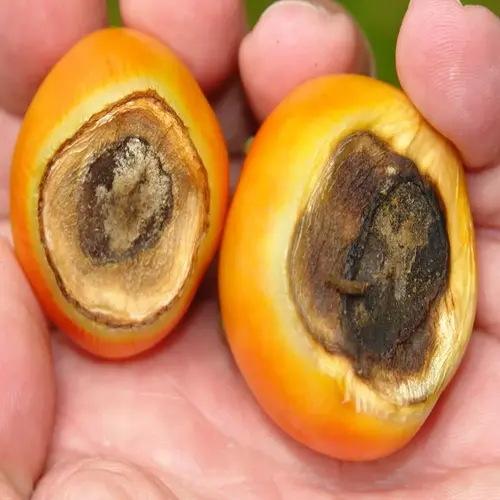

Root Rot in overwatered plants: The roots start suffocating in the soggy soil. Water fills in the air pockets, creating low-oxygen conditions that fungi love to proliferate in. Your plant's roots are drowning in their own home in essence, and I've seen them kill off otherwise healthy plants in a matter of weeks.
Soil Conditions
- Waterlogged soil creates anaerobic environments without oxygen
- Air pockets between soil particles get completely filled with water
- Compacted soil accelerates oxygen depletion around roots
- Organic matter decomposes faster releasing toxic byproducts
Pathogen Invasion
- Fungi like Pythium and Phytophthora thrive in wet conditions
- Spores travel through water droplets to reach weakened roots
- Pathogens produce enzymes that dissolve root cell walls
- Infection spreads upward from root tips to the stem base
Physiological Damage
- Suffocated roots cannot perform nutrient absorption
- Rotting tissues release toxins that poison healthy roots
- Vascular tissues get blocked preventing water transport
- Energy reserves deplete as roots stop functioning
What starts as a decay process quickly becomes a cycle of destruction. As the roots rot, they exude nutrients that provide food for more pathogens. Fungal networks creep around the soil like invisible spider webs; a healthy root next to an infected one is soon doomed to be infected itself. Often, the root system is completely ravaged in a matter of days.
Prevent root rot by maintaining the right level of soil moisture. Use well-draining mixes, such as those with perlite or bark, and ensure you plant in pots with drainage holes. Water only when the top layer of soil is dry. Your careful soil moisture management will become a hostile environment for these invasive plants.
Read the full article: 10 Key Signs of Overwatering Plants