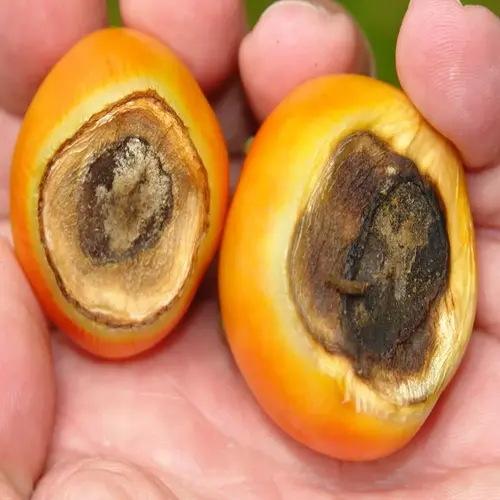

Confusing the signs of underwatering and overwatering kills more houseplants than bugs. Both cause your plant to wilt and change color, but the treatments are opposite. Mistakes in this department can have severe consequences for your plant's health. Knowing the signs of the two deadly sins is the key to your plant's survival. I've saved hundreds through this simple tactic.
Leaf Condition Analysis
- Overwatered leaves turn uniformly yellow and feel limp like wet paper
- Underwatered leaves develop crispy brown edges and curl inward
- Yellow halos around brown spots indicate overwatering damage
- Leaves losing shine without curling suggests underwatering stress
Soil and Root Evidence
- Soggy soil with mold/fungus gnats confirms overwatering issues
- Bone-dry cracked soil pulling from pot edges signals underwatering
- Rotten roots smell sour and disintegrate when touched lightly
- Underwatered roots appear shriveled and brittle like dry twigs
Plant Response Patterns
- Overwatered plants wilt despite wet soil due to root suffocation
- Underwatered plants perk up within hours after proper hydration
- Slow recovery after watering indicates advanced root rot
- Rapid leaf drop occurs more in underwatered tropical species
Lift test. Perform a lift check before watering; no pot should feel heavy for days after watering. Underwatered pots become surprisingly light. Combine that with finger tests. Stick it two inches deep. If the dirt is too sloppy, stop; if it's too hard, apply water. Your hands are your diagnostic tools!
Avoid misdiagnosis by knowing your plant. Most succulents prefer a dry environment, while ferns require a moist one. You know the seasonal changes. Generally speaking, fifty percent less water is used in winter. Always feel the soil with your finger before acting on your impulse. Your voice on the telephone saves him from a meal of poison.
Read the full article: 10 Key Signs of Overwatering Plants