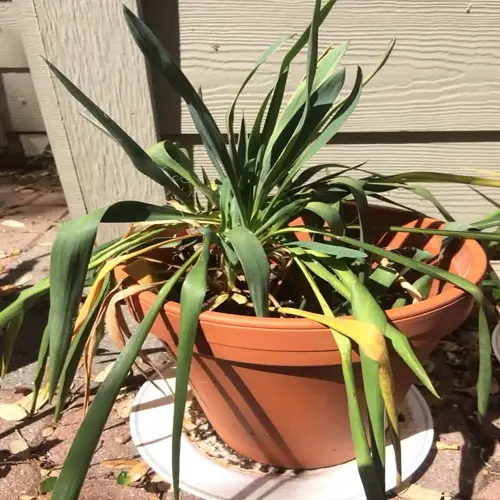

When beets start to flower, it is known as bolting. This causes the roots to become bitter, but produces flower stalks that are quite edible. Bolting occurs when the plants are subjected to any stress, such as heat or drought. As soon as you see flower buds developing, harvest the roots. They will not get any better, but the stalks make delicious vegetables.
Edible Parts
- Flower stalks: sauté like broccoli rabe
- Young leaves: use in salads or stir-fries
- Bitter roots: roast with sweet glazes
Prevention Methods
- Plant bolt-resistant varieties (e.g., 'Boltardy')
- Maintain consistent soil moisture
- Use shade cloth during heatwaves
- Mulch heavily to cool roots
Salvage Techniques
- Pickle bitter roots in vinegar solution
- Puree roots for soup bases
- Dry flower stalks for seasoning
Cook flower stalks quickly after harvest; they're rather like asparagus when young and deserve the same treatment, being sautéed gently in a little of the best olive oil and flavored with garlic to toss with very young pasta or in an omelette. The older these stalks, the better for soup. Strip away any hard or wispy parts.
Think outside the box when cooking with bitter vegetables. Roasted for maximum flavor concentration. Honey or maple syrup can add sweetness and balance to the bitterness. Pickling in a vinegar brine can hide the undesired taste. Blending earthiness with sweetness can be achieved through baking chocolate cakes.
Avoid bolting in the next growing season by selecting 'slow bolt' or 'heat-tolerant' varieties, watering consistently during dry periods, installing shade cloth at temperatures of 80°F or above, and planting in the fall for a more moderate growing environment.
Know why your beets have bolted. Mere flowering means your plant is stressed. The energy that should have gone into building roots has instead gone into making seeds. Bolting is disappointing, but a bolted beet does still contain good nutrition in the stalks - vitamins A and C.
Read the full article: When to Harvest Beets: 5 Essential Signs