
Introduction
The rose flower has grown on this planet for 30 to 40 million years based on fossil records. That makes it one of the oldest blooms still alive today. This one genus spread to every corner of the globe and earned a spot in almost every human culture.
I grew dozens of types of roses in my garden before I learned how deep the science goes. Researchers found 272 chemical compounds in the Rosa genus across 9 classes. These include strong antioxidants and nutrients that put roses far above what most people see as just a pretty flower.
If flowers were a royal court, the rose would sit on the throne. Over 300 species and more than 30,000 rose varieties exist right now. Only about 20 wild species gave us all those modern garden favorites. The rose meaning you tie to a red bloom on Valentine's Day goes back thousands of years of culture and trade.
This guide covers the full picture from garden types and color meanings to global trade and real health data. You won't find another single page that ties growing tips, science, and market facts together. Let's get into what makes the rose the most valued flower in history.
10 Popular Rose Flower Types
All 30,000 plus rose varieties you see today trace back to just 20 wild species. That's a huge amount of breeding packed into a few thousand years of garden work. Each rose type below fits a different need in your yard, from cutting gardens to low effort color.
I've grown hybrid tea roses, shrub roses, David Austin roses, and climbers side by side in my own beds. The care gap between types surprised me. If you're new to roses, start with shrub or floribunda roses before you move up to the fussier hybrid teas. This list walks you through the best rose varieties with tips on where each one works best for your space.
Hybrid Tea Roses
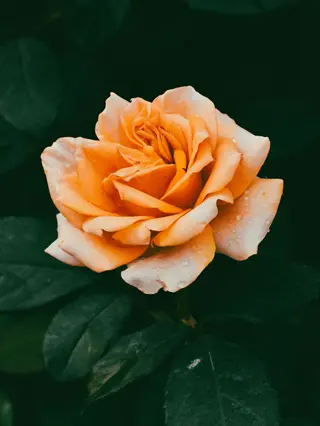
- Bloom Shape: Hybrid tea roses produce the classic high-centered blooms with tightly spiraled petals that most people picture when they think of a rose flower, with blooms measuring 3.5 to 5.5 inches (9 to 14 centimeters) across.
- Growth Habit: These upright bushes grow 3 to 6 feet (0.9 to 1.8 meters) tall with long straight stems that make them the top choice for cut flower arrangements and formal displays.
- Care Level: Hybrid teas require more attention than shrub roses, needing regular pruning, fertilizing every four to six weeks during the growing season, and consistent monitoring for black spot and powdery mildew.
- Best Use: Plant hybrid teas in dedicated rose beds or cutting gardens where their long stems and single blooms per stem create elegant arrangements for indoor vases.
- Hardiness Range: Most hybrid teas perform well in USDA zones 5 through 9, though they need winter protection with mulch mounding in zones 5 and 6.
- Popular Varieties: Peace, Mister Lincoln, and Double Delight remain among the most widely planted hybrid teas for their reliable bloom quality and recognizable fragrance.
Floribunda Roses
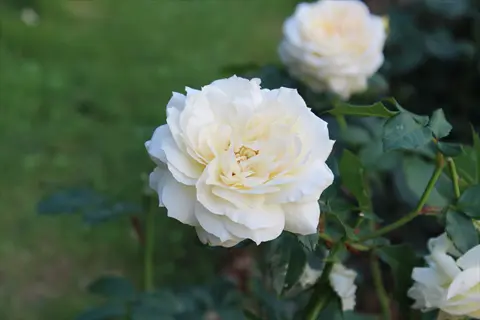
- Bloom Pattern: Floribundas produce clusters of multiple blooms on each stem rather than single flowers, creating a mass of color that lasts through the growing season with regular deadheading.
- Growth Habit: These compact bushes reach 2 to 4 feet (0.6 to 1.2 meters) in height, making them ideal for borders, hedges, and mass plantings where continuous color is the goal.
- Care Level: Floribundas are easier to maintain than hybrid teas with better natural disease resistance, though they still benefit from regular fertilizing and spring pruning.
- Best Use: Line walkways or create colorful borders with floribundas, spacing plants 24 to 30 inches (61 to 76 centimeters) apart for a full hedge effect.
- Hardiness Range: Most floribundas thrive in USDA zones 4 through 9, offering wider cold tolerance than hybrid teas due to their polyantha heritage.
- Popular Varieties: Iceberg remains the world's most popular white floribunda, while Sunsprite wins praise for its intense yellow color and strong fragrance.
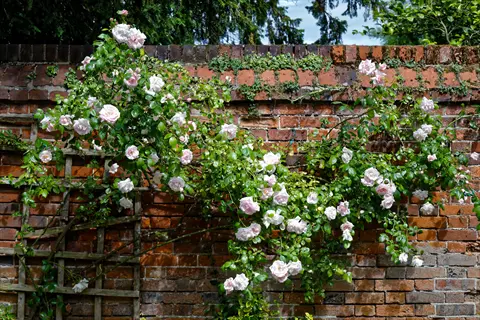
Climbing Roses
- Growth Habit: Climbing roses produce long flexible canes that reach 8 to 20 feet (2.4 to 6 meters) in length, though they do not in fact climb on their own and need to be tied or trained onto support structures.
- Bloom Pattern: Most climbing roses bloom on lateral branches that grow from the main canes, and training canes flat encourages more side shoots and therefore more flowers per plant.
- Care Level: Climbers need sturdy support structures like trellises, arbors, or pergolas, plus annual pruning to remove dead wood and shape new growth along the support frame.
- Best Use: Train climbing roses along fences, over garden arches, or up the sides of pergolas where their cascading blooms create dramatic vertical displays of color.
- Hardiness Range: Hardiness varies a lot by variety, with New Dawn hardy to USDA zone 5 and Don Juan performing well in zones 5 through 9.
- Popular Varieties: New Dawn stands as the most reliable and disease-resistant climber, while Don Juan produces deep red blooms with outstanding fragrance on vigorous canes.
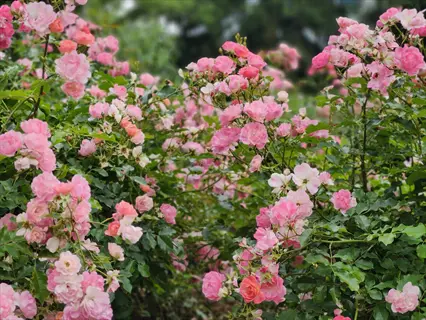
Shrub Roses
- Growth Habit: Shrub roses grow in dense rounded forms reaching 4 to 6 feet (1.2 to 1.8 meters) in both height and width, filling garden spaces with minimal shaping or training required.
- Care Level: These are among the easiest roses to grow with strong natural disease resistance, minimal pruning needs, and the ability to thrive in less than perfect soil conditions.
- Bloom Pattern: Most modern shrub roses are repeat bloomers that flower nonstop from late spring through the first hard frost, producing clusters of single or double blooms.
- Best Use: Use shrub roses as landscape plants for hedges, foundation plantings, or mixed borders where low-maintenance color is needed without the fussiness of hybrid teas.
- Hardiness Range: Shrub roses are among the hardiest rose types with many varieties surviving in USDA zones 3 through 9, including the extremely cold-hardy Rugosa hybrids.
- Popular Varieties: Knock Out roses revolutionized the shrub rose category with their self-cleaning blooms and near immunity to black spot fungus.
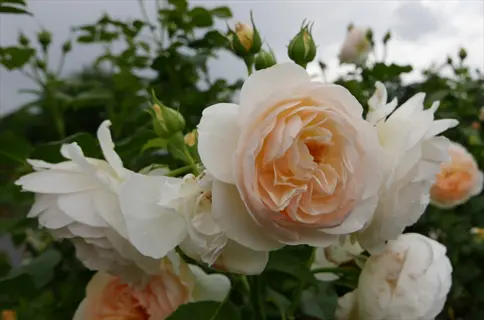
David Austin English Roses
- Bloom Shape: David Austin English roses feature deeply cupped, rosette, or full-petaled bloom shapes inspired by old garden roses, with many flowers containing 80 to 120 petals each.
- Fragrance: Breeders created these roses on purpose for strong fragrance, and David Austin categorized their scents into five groups: Old Rose, Fruity, Musk, Myrrh, and Tea.
- Growth Habit: Most David Austin varieties grow as medium shrubs reaching 3 to 5 feet (0.9 to 1.5 meters) tall, though some can be trained as short climbers reaching 8 to 10 feet (2.4 to 3 meters).
- Care Level: English roses require moderate care similar to floribundas, with regular feeding and deadheading to encourage the repeat blooming that distinguishes them from true old garden roses.
- Best Use: Plant David Austin roses in cottage-style gardens or mixed perennial borders where their full bloom shape and strong scent complement lavender, delphiniums, and peonies.
- Popular Varieties: Gertrude Jekyll holds the title of finest David Austin rose for fragrance, while Graham Thomas earned a place in the World Rose Hall of Fame.
Miniature Roses
- Size Range: Miniature roses grow just 12 to 24 inches (30 to 61 centimeters) tall with small blooms measuring 1 to 2 inches (2.5 to 5 centimeters) across, making them the smallest rose class.
- Growth Habit: Despite their small stature, miniature roses are true roses grown on their own root systems rather than grafted plants, giving them strong root vigor and good cold hardiness.
- Care Level: Miniatures need the same basic care as full-sized roses including six or more hours of direct sunlight, regular watering, and monthly feeding during the blooming season.
- Best Use: Grow miniature roses in containers on patios, balconies, or windowsills, or use them as edging plants along walkways and the front of flower beds.
- Hardiness Range: Many miniature roses are hardy in USDA zones 4 through 9, and their compact root systems make them easy to overwinter indoors in colder regions.
- Popular Varieties: Rainbow's End produces stunning yellow blooms edged in red, while Cinderella offers pure white double blooms perfect for small container displays.
Grandiflora Roses
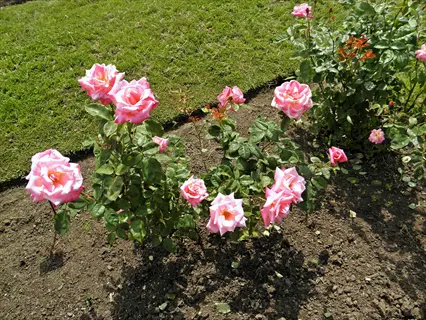
- Bloom Pattern: Grandiflora roses combine the large individual blooms of hybrid teas with the clustered flowering habit of floribundas, producing groups of three to five full-sized blooms per stem.
- Growth Habit: These are among the tallest rose bushes, reaching 5 to 8 feet (1.5 to 2.4 meters) in height, making them excellent as background plants or tall garden anchors.
- Care Level: Grandifloras need regular pruning to control their vigorous height and maintain good air circulation through the center of the bush, which helps prevent fungal infections.
- Best Use: Plant grandifloras at the back of rose beds or as tall accent plants in mixed borders where their height and abundant blooms create a dramatic backdrop.
- Hardiness Range: Most grandifloras grow well in USDA zones 5 through 9, with performance similar to hybrid teas in terms of winter protection needs.
- Popular Varieties: Queen Elizabeth remains the most famous grandiflora rose since its introduction in 1954, producing clear pink blooms on very vigorous and disease-resistant plants.
Old Garden Roses
- Historical Significance: Old garden roses include all rose classes that existed before 1867, which is the year the first hybrid tea rose was introduced and marks the dividing line between old and modern roses.
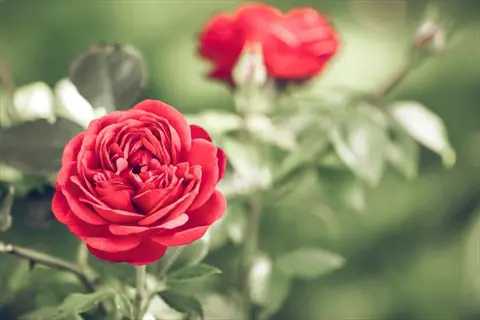
- Bloom Characteristics: Most old garden roses produce very fragrant double blooms with a quartered or cupped shape, though the majority bloom only once per year in a spectacular late spring display.
- Major Classes: The old garden rose category includes Gallica, Damask, Alba, Centifolia, Bourbon, Portland, Noisette, and Moss roses, each with distinct growing habits and bloom characteristics.
- Care Level: Old garden roses are tougher than modern hybrids with excellent disease resistance and the ability to thrive for decades with minimal intervention once established.
- Best Use: Feature old garden roses in heritage gardens, as specimen plants, or in informal cottage-style settings where their once-blooming habit creates a memorable seasonal focal point.
- Popular Varieties: Rosa gallica officinalis, the Apothecary Rose, has grown in gardens since at least the 13th century for both its beauty and its use in herbal preparations.
Rambler Roses
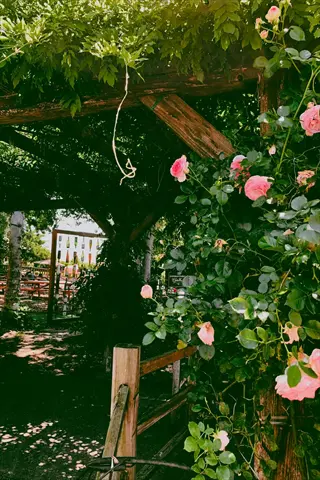
- Growth Habit: Rambler roses produce very long flexible canes that can reach 20 to 30 feet (6 to 9 meters) in a single season, making them the most vigorous growers in the rose family.
- Bloom Pattern: Most ramblers bloom once per year in a massive display of small clustered flowers that can cover a structure, creating a waterfall effect of blooms in early summer.
- Care Level: Ramblers need less pruning than climbers but require adequate space for their vigorous growth, and pruning should be done right after flowering since they bloom on old wood.
- Best Use: Train ramblers over large pergolas, along long fences, or up into mature trees where their cascading growth habit creates a naturalistic and romantic garden atmosphere.
- Hardiness Range: Many rambler types are very cold-hardy, surviving in USDA zones 4 through 9, which makes them popular in northern gardens where other climbers struggle.
- Popular Varieties: American Pillar produces clusters of bright pink single flowers with white centers, while Veilchenblau is one of the few roses with violet-blue toned blooms.
Groundcover Roses
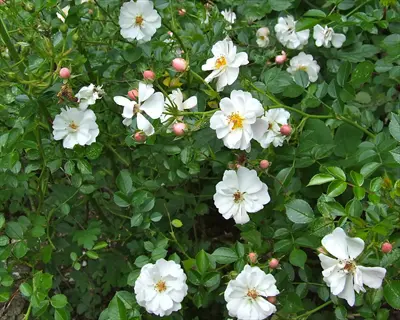
- Growth Habit: Groundcover roses spread outward with low arching canes that reach just 12 to 24 inches (30 to 61 centimeters) in height but extend 4 to 6 feet (1.2 to 1.8 meters) wide.
- Bloom Pattern: These roses produce dense clusters of small blooms nonstop from late spring through fall, and most are self-cleaning, meaning spent blooms drop on their own without deadheading.
- Care Level: Groundcover roses are among the lowest-maintenance rose options, needing only an annual trim in early spring to remove dead wood and shape the spreading growth.
- Best Use: Plant groundcover roses on slopes for erosion control, along the edges of driveways, or as weed-suppressing mass plantings in areas where mowing is difficult or impractical.
- Hardiness Range: Most groundcover roses are hardy in USDA zones 4 through 9, and the Flower Carpet series in particular has proven itself in extreme heat and cold across multiple continents.
- Popular Varieties: Flower Carpet roses are the best-selling groundcover rose worldwide, available in pink, red, white, coral, and amber, with each plant covering up to 32 square feet (3 square meters).
Your best rose type depends on how much time you can give to care each week. If you want color without stress, go with shrub roses or groundcovers for your yard. Hybrid teas and David Austin roses reward you with stunning blooms if you put in the extra work.
Rose Color Meanings Explained
Every rose color carries a different rose meaning that dates back hundreds of years. In 1986, President Reagan named the rose our national flower. He called it a symbol of life, love, and beauty. That rose symbolism still holds strong in your life and in cultures across the globe today.
I've spent years learning which rose colors match which events. The shade you pick sends a direct message to whoever gets them. Red roses meaning points to love. Pink roses meaning ties to grace. White roses meaning stands for purity. The rose color meaning guide below helps you choose the right shade for any event in your life.
Red Roses
- Meaning: Red roses carry the universal meaning of romantic love, deep passion, and heartfelt desire, making them the most popular choice for Valentine's Day and wedding anniversaries worldwide.
- Historical Context: The association between red roses and love traces back to Greek mythology where the flower was linked to Aphrodite, and the deep red color was said to come from her blood staining white roses.
- Gifting Occasions: Give red roses for romantic milestones including Valentine's Day, wedding anniversaries, engagement celebrations, and any moment when you want to express deep emotional connection.
Pink Roses
- Meaning: Pink roses represent grace, gratitude, admiration, and gentle affection, with lighter shades expressing sweetness and darker pinks conveying appreciation and recognition.
- Historical Context: Pink roses were among the first roses cultivated in gardens and carried meanings of elegance and refinement long before the Victorian language of flowers formalized their symbolism.
- Gifting Occasions: Choose pink roses for Mother's Day, thank-you gestures, congratulations, or to express admiration for a friend, as they convey warmth without the romantic intensity of red.
Yellow Roses
- Meaning: Yellow roses now symbolize friendship, joy, and warm feelings, making them a bright and cheerful choice for celebrating platonic relationships and happy occasions.
- Historical Context: In Victorian flower language, yellow roses originally carried negative connotations of jealousy and infidelity, but their meaning shifted over the 20th century to represent friendship and caring.
- Gifting Occasions: Send yellow roses to celebrate friendships, wish someone a speedy recovery, welcome a new neighbor, or brighten someone's day without any romantic implications attached.
White Roses
- Meaning: White roses symbolize purity, innocence, reverence, and new beginnings, carrying a sense of spiritual significance that makes them appropriate for both joyful and solemn occasions.
- Historical Context: White roses have been associated with spiritual purity across many cultures for centuries, and the House of York adopted the white rose as its emblem during the Wars of the Roses in 15th century England.
- Gifting Occasions: White roses are the traditional choice for weddings, christenings, sympathy arrangements, and memorial services, as well as for celebrating new chapters in life.
Orange Roses
- Meaning: Orange roses express enthusiasm, excitement, desire, and proud admiration, blending the passion of red with the cheerfulness of yellow into an energetic statement of feeling.
- Historical Context: Orange roses are a relatively modern creation made possible by 20th century hybridization, and they carry meanings that developed outside the strict Victorian language of flowers.
- Gifting Occasions: Give orange roses to celebrate achievements, express pride in someone's accomplishments, or convey enthusiastic support for a friend or colleague starting a new venture.
Purple and Lavender Roses
- Meaning: Purple roses signify enchantment, wonder, and love at first sight, while lighter lavender shades express fascination and a sense of mystical or unique beauty.
- Historical Context: Purple dye was historically rare and expensive, reserved for royalty, and purple roses inherited this association with majesty, splendor, and extraordinary distinction.
- Gifting Occasions: Choose purple or lavender roses when you want to make a memorable impression, express fascination with someone new, or celebrate a milestone that feels extraordinary.
Rose color meaning shifts across cultures too. In some East Asian traditions, white roses can signal mourning instead of joy. Always check local customs before you send roses to someone from a different background. Your choice of color matters more than you might think.
How to Grow and Care for Roses
Knowing how to grow roses starts with 2 basics that most new growers get wrong. Your roses need at least 6 hours of direct sunlight each day and soil that drains well with a pH between 6.0 and 6.5. Get those right and you solve half the problems before they start.
I learned my best rose care tips the hard way after losing a whole bed of hybrid teas to black spot one summer. Good air flow between your plants matters more than most guides tell you. Space your bushes 24 to 36 inches apart so air can move through the leaves and keep fungal issues away.
The best roses for beginners are shrub types like Knock Outs that resist rose diseases on their own. Once you build some skills, you can move to hybrid teas and David Austin types that need more hands on care through the season. The table below shows you what each type asks of your time.
When to prune roses depends on your climate zone and the type you grow. Most roses do best with a hard prune in early spring just as new buds start to swell. Rose propagation from cuttings works well for shrub types if you take 6 inch stems in late summer and root them in moist sand.
Watch out for Rose Rosette Disease carried by tiny mites that have no cure once they infect your plant. You must remove and destroy sick plants right away to stop the spread. Good spacing and clean pruning tools are your best defense against this growing threat in North American gardens.
Rose Health and Medicinal Uses
You might not know that roses have real rose medicinal properties backed by lab data. Scientists found 272 chemical compounds in roses. That list covers 61 flavonoids, 83 triterpenes, and 75 tannins. Tannins alone drive over 60% of the rose antioxidant power in one key species.
I started adding rose water to my own skin routine after I read the clinical studies. The results caught me off guard. Rose essential oil and rose hip products show up in more stores every year. The science behind rose hip benefits and rose water uses goes far beyond folk tales. Here's what the data says.
Rose Hip Nutritional Value
- Vitamin C Content: Rose hips from Rosa canina contain up to 211 milligrams of vitamin C per 3.5 ounces (100 grams) of fresh fruit, which is significantly higher than the vitamin C found in oranges by weight.
- Fatty Acid Profile: Rose hip seed oil contains approximately 54% linolenic acid, 19.5% oleic acid, and 19.4% linoleic acid, making it rich in essential fatty acids used in skin care products.
- Active Compounds: Rose hips also provide quercetin and ellagic acid, two powerful antioxidants that researchers have linked to anti-inflammatory effects and cellular protection in laboratory studies.
Aromatherapy Applications
- Anxiety Relief: A randomized controlled trial with 80 hospital workers found that Rosa damascena aromatherapy produced clinically significant reductions in anxiety levels and measurable improvements in sleep quality.
- Pain Management: A separate randomized controlled trial with 100 participants demonstrated that Rosa damascena essential oil provided significant relief from menstrual pain compared to a control group.
- Stress Reduction: Rose essential oil has been studied for its effects on cortisol levels and heart rate variability, with results suggesting it activates the parasympathetic nervous system to promote relaxation.
Antioxidant Properties
- Tannin Activity: In Rosa chinensis, tannins account for more than 60% of the total antioxidant activity, making them the most significant class of protective compounds in rose extracts.
- Flavonoid Content: Quercetin and kaempferol are the dominant flavonol compounds found across multiple Rosa species, and both have demonstrated anti-inflammatory effects in peer-reviewed laboratory studies.
- Skin Protection: Rosa gallica extract has shown the ability to prevent ultraviolet B-induced skin aging through the c-Raf signaling pathway, according to published research on rose-based topical applications.
Traditional Medicine Heritage
- Chinese Medicine: Rosa chinensis, Rosa rugosa, and Rosa laevigata are included in the Chinese Pharmacopoeia, reflecting centuries of documented therapeutic use in traditional Chinese medicine.
- Middle Eastern Traditions: Rose water has been a staple in Middle Eastern medicine and cuisine for over a thousand years, used in remedies for digestive comfort, skin soothing, and emotional wellness.
- Modern Research: Scientists have documented anticancer, hepatoprotective, hypoglycemic, antimicrobial, antiviral, neuroprotective, and cardiovascular protective effects across various Rosa species in controlled studies.
The science on rose health keeps growing each year as more labs test these compounds. You can find rose hip supplements, rose water toners, and rose essential oil blends at most health stores now. Just make sure you buy from trusted brands that list their source species on the label.
Rose History and Cultural Impact
Rose history stretches back further than any other garden flower you can name. I learned this fact when I started reading about fossils and it blew my mind. Roses grew on Earth 30 to 40 million years before humans showed up. Chinese gardeners started the first rose gardens about 5,000 years ago for your ancestors to enjoy.
The rose cultural significance in Greek myths tied the bloom to Aphrodite, the goddess of love. Romans took it even further. They hung roses over meeting tables to signal that talks were private. That tradition gave us the phrase "sub rosa" which means "under the rose" and still stands for secrecy today.
Two royal families in 15th century England fought the Wars of the Roses. Red and white blooms became their battle flags. Those roses in mythology and war gave England a lasting mark. England still calls the rose its national flower because of that era.
The national flower rose status in the U.S. became official on November 20, 1986. President Reagan signed Proclamation 5574 to make it law. Congress had pushed the move through Senate Joint Resolution 159. You can find it in the U.S. Code at 36 USC 303. It covers the rose as a broad symbol, not any single type.
Rose symbolism looks different around the world even now. In Japan, roses carry meanings tied to identity and self expression. In the Middle East, rose water holds a deep spiritual role in both food and faith. When you look at your own roses, you see the same bloom that shaped cultures for thousands of years.
Rose Industry and Global Trade
The rose industry is a massive global business that most gardeners never think about. That single rose on your kitchen table may have flown thousands of miles from a farm in Kenya or Colombia. The cut flower industry brought $1.9 billion in imports into the U.S. alone in 2022 based on USDA data.
I was shocked when I first learned the scale of the global rose market. Analysts value it at about $560 million in 2024 with a forecast to hit $1.18 billion by 2033. That's an 8.64% growth rate each year. Kenya handles about 38% of all rose exports while the Netherlands auctions close to 3 billion rose stems a year.
Rose production in the U.S. grew fast too. The number of flower farms jumped to about 10,800 in 2022, up 50% from 2017. U.S. growers produced $763 million worth of cut flowers and greens that same year. Rose farming operations now run in all 50 states from small local plots to large greenhouse setups.
You can support this growth by buying from local rose farms when you get the chance. Local roses last longer in your vase because they travel shorter distances with less time in cold storage. The rose industry keeps growing as more people choose fresh flowers for their homes and events each year.
5 Common Myths
Roses are extremely difficult to grow and only experienced gardeners should attempt planting them in a garden.
Many modern rose varieties like shrub roses and Knock Out roses are bred for disease resistance and require minimal care, making them ideal for beginners.
All roses have a strong fragrance, so any rose variety you buy will fill your garden with a sweet scent.
Many modern hybrid tea and floribunda roses have been bred primarily for appearance and long vase life, which often reduces their natural fragrance significantly.
Roses have thorns that protect them from animals and insects trying to damage the plant.
Roses technically have prickles, not thorns, and prickles are outgrowths of the outer bark layer rather than modified stems or leaves like true thorns.
Yellow roses have always symbolized friendship and joy, making them a cheerful gift throughout history.
Yellow roses originally carried negative meanings of jealousy and infidelity in Victorian flower language, and their association with friendship is a relatively modern shift.
Wild roses and cultivated garden roses look essentially the same because they belong to the same genus.
Wild roses almost always have exactly five petals in a simple open form, while cultivated roses often feature dozens of petals arranged in complex double or full bloom shapes.
Conclusion
The rose flower sits at the top of the plant world for good reason. It has 30 to 40 million years of history and 5,000 years of human care behind it. No other bloom matches its range of types of roses, color meanings, and global trade. With 272 compounds and real rose health benefits, you now know roses go far past what sits in a vase.
Good rose care starts with the basics. Give your plants 6 hours of sun, drain the soil well, and pick the right type for your skill level. The rose meaning behind each color adds depth to every gift you send and every bloom you grow in your own yard.
I've spent years growing and studying roses, and I want you to look at your next bouquet with fresh eyes. Think about the science, culture, and global trade that brought that single flower to you. A rose may travel from a farm in Kenya to your kitchen table across thousands of miles.
Over 30,000 varieties exist and the global market grows at 8.64% each year. Roses aren't going anywhere soon. Use this guide for growing, gifting, and learning more about the world's most valued flower.
External Sources
Frequently Asked Questions
What does a rose flower symbolize?
A rose flower symbolizes love, beauty, and devotion, with each color carrying its own specific meaning from red for romantic love to white for purity.
What kind of rose is David Austin?
David Austin roses are English roses bred by David Austin that combine the full petal shape of old garden roses with the repeat-blooming ability of modern hybrids.
Do rose petals have oxalates?
Rose petals contain very low levels of oxalates and are generally considered safe to eat, making them a popular choice in culinary applications.
What does 🌹 symbolize?
The red rose emoji symbolizes romantic love, deep affection, and beauty, and is commonly used to express heartfelt feelings in digital communication.
What does God say about roses?
While roses are not directly named in most Bible translations, the rose of Sharon in the Song of Solomon has long been interpreted as a symbol of divine beauty and spiritual love.
What flower is called the poor man's rose?
The peony is often called the poor man's rose because it produces large, lush blooms similar to garden roses but is easier and less expensive to grow.
What is the 5 leaf rule for roses?
The five leaf rule means you should prune rose stems just above a set of five leaflets rather than three, as five-leaflet nodes produce stronger and more bloom-ready new growth.
Why are David Austin Roses so special?
David Austin roses are special because they combine the fragrance and full petal form of heritage roses with modern disease resistance and repeat flowering throughout the season.
What is the king of rose?
The hybrid tea rose is widely considered the king of roses due to its classic high-centered bloom shape, long stems, and popularity in gardens and floral arrangements worldwide.
Why do Arabs use rose water?
Arabs use rose water for its fragrance in perfumes, its flavor in traditional desserts and beverages, and its cultural importance in hospitality and religious practices.