
Arabs use rose water because it holds deep meaning across their food, faith, and daily life. This fragrant liquid shows up in their cooking, perfume, hospitality, and faith. You'll find it in almost every Arab home, and its role in your daily life there goes back hundreds of years.
I first tasted rose water in a piece of baklava at a friend's home during Eid. The floral note was subtle but it changed the whole flavor of the pastry for me. My friend's mother sprinkled rose water on our hands as we walked through the door, which I later learned is a classic welcome gesture. She also stirred it into Turkish delight and maamoul cookies. That visit showed me how rose water touches every part of a gathering. You'll notice the same thing if you visit any Arab home yourself.
Rose water Middle Eastern culture ties go far beyond cooking. It plays a part in weddings, funerals, skincare, and sacred rituals across the Gulf states, the Levant, and North Africa. You can trace its history back centuries. It hasn't lost any importance in your modern world. Your host family passes down favorite brands and recipes to each new generation.
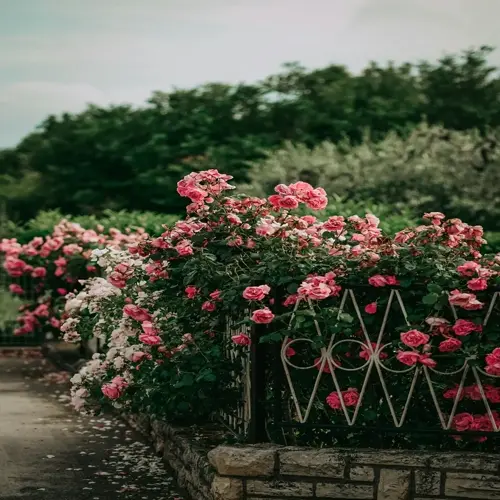
Makers produce rose water by steam-distilling fresh Rosa damascena blooms. The Taif region in Saudi Arabia grows some of the finest roses for this purpose in the world. You'll also find top quality coming from Isfahan in Iran. It takes about 60,000 petals to make just one ounce of pure rose oil. Rose water is a lighter product from that same process, which makes it more affordable for your everyday use.
Rose water traditional uses span a wide range of settings you might not expect. Here are some of the most common ways you'll see it used across Arab culture.
Food and Drinks
- Sweets: Bakers add it to baklava, Turkish delight, maamoul, and rice pudding for a floral sweetness you can't get from any other ingredient.
- Drinks: A splash goes into jallab, lemonade, and milk drinks to give you a cool, fragrant sip on hot summer days.
- Ice cream: Many shops use rose water in their recipes, giving you a flavor profile that tastes nothing like what you'd find at a Western store.
Religious and Cultural Rituals
- The Kaaba: Workers use rose water to clean the Kaaba in Mecca, one of the holiest sites in Islam, during sacred washing events.
- Weddings: Hosts sprinkle rose water on guests as they arrive to celebrate your union with fragrance and warmth.
- Funerals: Families wash the deceased with rose water as a sign of respect and care for the person who passed.
Beauty and Skincare
- Toner: Women have used rose water as a natural face toner for centuries to calm skin and tighten pores after cleansing.
- Hair rinse: A rose water rinse adds shine to your hair and leaves a light scent that lasts through the day.
- Perfume base: Many traditional Arab perfumes start with a rose water base that you layer with oud and musk.
If you want to try rose water at home, buy food-grade bottles from a Middle Eastern grocery store near you. Start with a small amount because the flavor hits hard. One teaspoon in a glass of lemonade gives you a taste of what Arab families enjoy every day. You can also stir it into whipped cream or drizzle it over fruit for a simple but special dessert.
In my experience, a little rose water goes a long way in your kitchen and your skincare routine. Once you start using it, you'll wonder how you went so long without it in your home. Arabs use rose water because it makes every moment feel more special, and that same magic works for you too.
Read the full article: Rose Flower: Types, Meanings and Care