
Introduction
A rose bush can fill your garden with color and fragrance for 15 years or more when you give it the right start. That number comes straight from NMSU Extension research, and it changed the way I think about growing roses. Most people treat roses like a one season gamble, but the truth is that a single plant can reward you for well over a decade.
I started my first rose garden about 8 years ago with 3 bare root plants and zero confidence. Those same bushes still bloom every spring. A rose bush is a lot like a long term friendship: give it the right conditions in the first few weeks and it pays you back with beauty year after year. Rose bush care doesn't demand perfection from you. It just asks for a few basics done at the right time.
Texas A&M tested 100 rose varieties across 27 states in their Earth Kind program. The results showed that the right roses thrive with 70% less water and zero pesticides. Growing roses fits into a green garden plan without draining your time or your budget.
This guide covers the best rose types and smart planting methods. I also share care tips for every season, all backed by real data from university sources you can trust.
8 Popular Rose Bush Types
Clemson Extension counts 27 rose categories split between the Old and Modern groups. Modern types cover every group bred after 1867. That sounds like a lot, but you only need to know about 8 main types of roses. Some hybrid tea roses need your attention almost every day while shrub roses are fine with a quick weekly check.
I've grown 5 of these 8 types in my own yard over the years. The biggest lesson I learned is that disease resistant roses save you hours of work each month. Knock Out and Drift varieties now lead retail sales for good reason. Floribunda roses and climbing roses give you more color with less work too.

Hybrid Tea Roses
- Growth Habit: Hybrid tea roses grow upright on tall single stems reaching 3 to 6 feet (0.9 to 1.8 meters) tall, producing one large bloom per stem that is ideal for cutting and displaying in vases.
- Bloom Style: Each flower features 30 to 50 petals in a classic high-centered spiral form, available in every color except true blue and black according to Clemson Extension research.
- Maintenance Level: These are the most demanding rose bush type, requiring regular pruning, consistent fertilization every 4 to 6 weeks, and vigilant monitoring for black spot and powdery mildew.
- Best Climate: Hybrid teas perform best in USDA Zones 5 through 9, preferring moderate temperatures between 60 and 75 degrees Fahrenheit (15 to 24 degrees Celsius) and struggling above 90 degrees Fahrenheit (35 degrees Celsius).
- Popular Varieties: Peace, Mister Lincoln, and Double Delight remain among the most popular hybrid teas, each offering strong fragrance and classic bloom form.
- Best For: Experienced gardeners who enjoy hands-on care and want long-stemmed cut flowers for indoor arrangements and formal garden displays.
Floribunda Roses
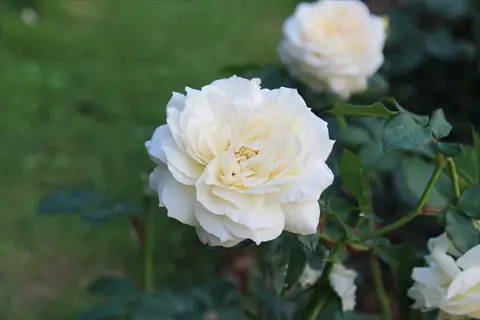
- Growth Habit: Floribunda roses grow in compact bushy forms reaching 2 to 4 feet (0.6 to 1.2 meters) tall and produce clusters of multiple blooms on each stem rather than single flowers.
- Bloom Style: Each cluster can hold 3 to 15 flowers that open in waves throughout the growing season, creating a mass color effect that is more impactful in landscape settings than individual blooms.
- Maintenance Level: Moderate care is needed with regular deadheading to encourage repeat flowering, annual pruning in late winter, and standard fertilization during the growing season.
- Best Climate: Floribundas adapt well across USDA Zones 4 through 9 and tolerate a wider range of conditions than hybrid teas, including more humidity and heat.
- Popular Varieties: Iceberg, Sunsprite, and Julia Child are top picks for their disease resistance, continuous bloom cycles, and ease of care for intermediate gardeners.
- Best For: Gardeners who want a colorful border or mass planting with less fuss than hybrid teas but more flower power than basic landscape roses.
Shrub Roses
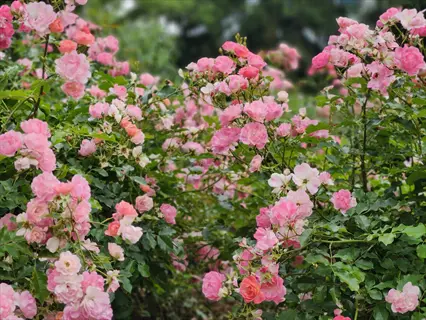
- Growth Habit: Shrub roses form rounded, spreading plants that range from 2 to 6 feet (0.6 to 1.8 meters) in both height and width, filling landscape beds with dense foliage and repeat blooms.
- Bloom Style: Flowers are often semi-double with 8 to 20 petals, blooming in clusters and repeating throughout the season with minimal deadheading needed on self-cleaning varieties.
- Maintenance Level: Low maintenance is the defining feature of this category, requiring only annual pruning for shape, basic watering, and little to no pesticide application on disease-resistant selections.
- Best Climate: Shrub roses are among the hardiest types, thriving in USDA Zones 3 through 9, with rugosa varieties surviving subzero winter temperatures without special protection.
- Popular Varieties: Knock Out, Drift, and Flower Carpet are the bestselling shrub roses and account for a large share of retail rose sales due to their proven reliability.
- Best For: Beginners and busy gardeners who want reliable color with minimal effort, or anyone looking for a tough hedge or foundation planting.
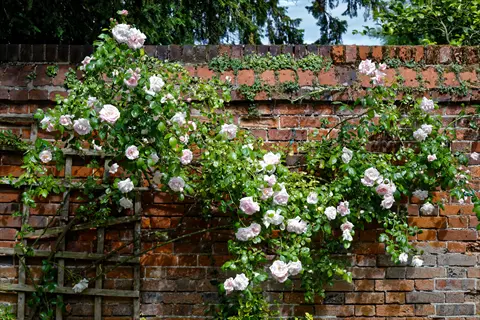
Climbing Roses
- Growth Habit: Climbing roses produce long flexible canes that can reach 8 to 20 feet (2.4 to 6 meters) and need a trellis, fence, arbor, or wall for support since they do not have tendrils to grip surfaces.
- Bloom Style: Many climbing varieties bloom hard in early summer on old wood, with some modern climbers reblooming throughout the season on both old and new growth for extended color.
- Maintenance Level: Training and tying canes flat along a support encourages more blooms along the length; prune with care to avoid removing flower producing wood from the previous year.
- Best Climate: Climbing roses perform well in USDA Zones 4 through 9, with cold-hardy selections like New Dawn surviving winters in Zone 4 without extensive protection measures.
- Popular Varieties: New Dawn, Don Juan, and Zephirine Drouhin (a thornless option) are among the most reliable climbing roses for home gardens and arbor coverage.
- Best For: Gardeners with vertical space who want to cover fences, pergolas, or walls with dramatic cascading blooms and lush green foliage.
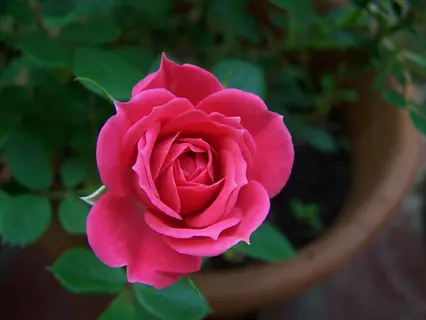
Miniature Roses
- Growth Habit: Miniature roses are compact plants growing just 12 to 24 inches (30 to 60 centimeters) tall with matching small leaves, stems, and flowers that mirror full sized roses in form.
- Bloom Style: Tiny flowers measuring 1 to 2 inches (2.5 to 5 centimeters) across bloom in dense clusters, and many varieties repeat bloom nonstop from spring through the first frost.
- Maintenance Level: These small roses need regular watering since their short root systems dry out faster, plus light pruning and fertilization on the same schedule as larger rose bush types.
- Best Climate: Miniature roses grow well in USDA Zones 4 through 10 and are popular for container gardening on patios, balconies, and small urban spaces with limited ground area.
- Popular Varieties: Red Cascade, Sweet Chariot, and Gourmet Popcorn cover a range of colors and growth habits within the miniature category, from trailing to upright forms.
- Best For: Gardeners with limited space, container enthusiasts, or anyone who wants roses on a balcony, patio, or windowsill without a full garden bed.
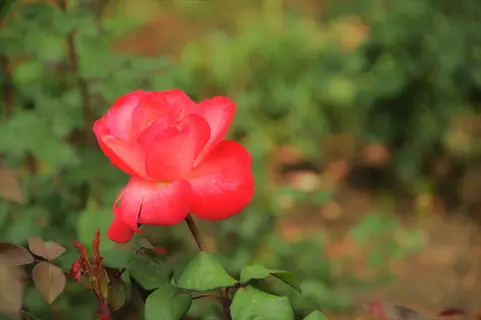
Grandiflora Roses
- Growth Habit: Grandiflora roses are tall vigorous plants that grow 4 to 6 feet (1.2 to 1.8 meters) high, combining the long stems of hybrid teas with the cluster-blooming habit of floribundas.
- Bloom Style: Flowers appear in small clusters of 3 to 5 blooms on long sturdy stems, offering both garden impact and excellent cut flowers with a high-centered form similar to hybrid teas.
- Maintenance Level: Moderate to high maintenance is typical, with regular pruning needed to manage height, along with consistent fertilization and disease monitoring throughout the growing season.
- Best Climate: Grandifloras thrive in USDA Zones 5 through 9 and prefer full sun with good air circulation to prevent the fungal diseases their dense growth can attract.
- Popular Varieties: Queen Elizabeth, Gold Medal, and Cherry Parfait are common grandiflora selections known for vigorous growth, strong disease resistance, and abundant flower production.
- Best For: Gardeners who want the elegance of hybrid tea blooms in greater quantity, or those seeking tall background plants for mixed borders and perennial gardens.
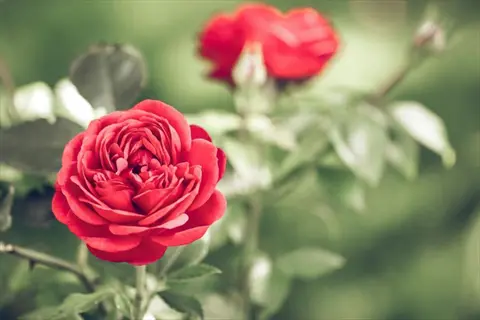
Old Garden Roses
- Growth Habit: Old garden roses include all varieties that existed before 1867, growing in many forms from compact 3 foot (0.9 meter) bushes to arching 8 foot (2.4 meter) shrubs depending on the class.
- Bloom Style: Most old garden roses bloom once per year in a big spring flush, producing strong fragrant flowers with many petals in soft shades of pink, white, mauve, and crimson.
- Maintenance Level: Once established, old garden roses are quite self sufficient, requiring less pruning, less fertilizer, and fewer chemical treatments than their modern hybrid counterparts.
- Best Climate: Many old garden roses are very cold hardy and heat tolerant, with some classes like Albas and Gallicas thriving in USDA Zones 3 through 9 without winter protection.
- Popular Varieties: Madame Hardy (Damask), Rosa Mundi (Gallica), and Souvenir de la Malmaison (Bourbon) remain beloved for their historical significance and unmatched fragrance.
- Best For: Gardeners who appreciate history, intense fragrance, and low-maintenance beauty, or cottage garden enthusiasts seeking an old-fashioned romantic look.
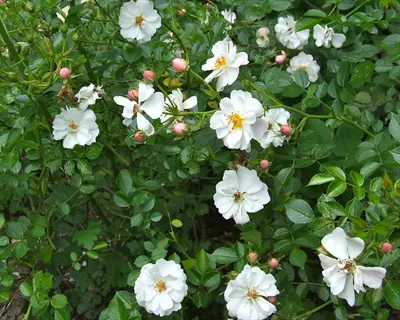
Landscape or Ground Cover Roses
- Growth Habit: Landscape roses grow in low spreading forms reaching 1 to 3 feet (0.3 to 0.9 meters) tall and 3 to 5 feet (0.9 to 1.5 meters) wide, creating a dense carpet of foliage and flowers.
- Bloom Style: Self cleaning flowers drop spent petals on their own and produce new blooms nonstop from late spring through fall without any deadheading from you.
- Maintenance Level: These are the lowest maintenance rose bush type you can buy, bred to resist diseases and pests while thriving with minimal pruning, fertilizing, and watering once established.
- Best Climate: Landscape roses perform well across USDA Zones 4 through 10, tolerating heat, humidity, cold, and even poor soil conditions better than most other rose categories.
- Popular Varieties: Drift series and Flower Carpet series lead this category, with options in red, pink, coral, peach, and white that cover ground fast and bloom all season.
- Best For: Low-maintenance landscapes, erosion control on slopes, mass plantings, and gardeners who want season-long color without the commitment traditional rose care demands.
Planting a Rose Bush
Planting rose bushes the right way makes the difference between years of blooms and a dead stick by summer. Most people learn how to plant roses from a tag stuck in the pot, but that tag leaves out the details that matter most. Bare root roses cost less and establish faster when you plant them in early spring or late fall. Think of preparing the planting hole like setting up a nursery for a newborn. The right setup in the first few weeks sets you up for years of strong growth.
I made a big mistake with my first rose: I tossed fertilizer into the hole thinking it would give the plant a boost. NMSU Extension research says the opposite is true. Fertilizer at planting time burns tender new roots and slows growth. When to plant roses matters too. Get your bare root roses in the ground before they break dormancy and your rose planting depth right for your climate zone.
Test and Prepare Your Soil
- Soil pH Check: Test your soil pH before planting because roses perform best in slightly acidic soil between 6.0 and 6.5, and nutrients become unavailable below pH 5.0 according to Mississippi State Extension research.
- Sandy Soil Amendment: Mix 3 to 4 inches (7.5 to 10 centimeters) of compost or aged manure into sandy soil to improve water retention, since 1 inch of water penetrates about 12 inches (30 centimeters) in sand and drains away fast.
- Clay Soil Amendment: Break up heavy clay soil by adding coarse organic matter and perlite to improve drainage, because 1 inch of water only penetrates 4 to 5 inches (10 to 13 centimeters) in clay and can drown roots.
- Organic Matter: Work well aged compost into the top 12 to 18 inches (30 to 46 centimeters) of soil regardless of soil type, which improves drainage, nutrient access, and the beneficial microbial life roses depend on.
Choose the Right Location
- Sunlight Requirement: Select a spot that receives at least 6 to 8 hours of direct sunlight each day, with morning sun being important because it dries the leaves and helps prevent fungal diseases.
- Air Circulation: Provide enough space between your rose bush and nearby plants or structures to allow good airflow, which reduces humidity around foliage and lowers the risk of powdery mildew and black spot.
- Drainage Check: Avoid low spots where water pools after rain because rose roots sitting in soggy soil develop root rot; if drainage is poor, consider building a raised bed 8 to 12 inches (20 to 30 centimeters) high.
- Wind Protection: Place roses where they get gentle air movement but are shielded from harsh prevailing winds that can dry out foliage, break canes, and stress the plant during extreme summer heat or winter cold.
Dig and Plant at the Right Depth
- Hole Size: Dig a hole about 18 inches (46 centimeters) wide and 18 inches deep, which is about twice the width of the root ball and deep enough to fit the full root system without bending.
- Bud Union Depth: In cold climates (USDA Zones 3 to 5), plant the bud union 2 inches (5 centimeters) below the soil surface for winter protection; in warm climates (Zones 7 to 10), keep it at or just above soil level.
- Bare Root Preparation: Soak bare root roses in a bucket of water for 8 to 12 hours before planting to rehydrate the roots, then spread the roots over a cone of soil built up in the center of the planting hole.
- No Fertilizer at Planting: Do not add fertilizer to the planting hole because NMSU Extension research confirms it delays growth and injures tender new roots; instead wait until new growth appears before the first feeding.
Water and Mulch After Planting
- Initial Watering: Water deep right after planting to settle the soil around the roots and remove air pockets, applying enough water to soak the entire root zone to a depth of 12 inches (30 centimeters).
- Mulch Application: Spread 2 to 3 inches (5 to 7.5 centimeters) of organic mulch such as wood chips, shredded bark, or pine straw around the base, keeping it 2 inches away from the main stem to prevent rot.
- Mulch Benefits: Organic mulch insulates soil temperature, reduces water loss through evaporation, suppresses weeds, and reduces disease causing soil splash onto lower leaves during rain or watering.
- First Weeks Watering: Water new roses every 2 to 3 days for the first 3 to 4 months to keep roots moist while they establish, since lack of water is the number one cause of new rose death.
Watering and Soil Needs
Watering roses is the single most important thing you can do to keep them alive, and lack of water kills more new roses than any disease or pest. But how much water do roses need? The answer depends on your soil type, and most guides skip that part. Watering a rose bush in clay soil versus sandy soil is like filling a sponge versus pouring water through a screen. The same rose needs a totally different rose watering schedule based on the ground it sits in.
I learned this the hard way when I overwatered my roses in heavy clay and watched the leaves turn yellow within weeks. NMSU Extension data shows that 1 inch of water sinks 12 inches in sandy soil but only 4 to 5 inches in clay. That means deep watering roses in sand takes less water more often, while clay soil needs big soaks with long gaps between them. The best soil for roses drains well and holds a soil pH roses prefer, right around 6.0 to 6.5.
Mississippi State Extension warns that spraying water over the top of your roses raises disease risk. Use a soaker hose or drip line instead. These tools keep water off the leaves and send it straight to the roots.
Pruning and Seasonal Care
Knowing how to prune roses is the skill that separates gardeners who get tons of blooms from those who wonder why their bush looks bare. When to prune roses depends on the type you grow, and this is where most guides get it wrong. Pruning a climbing rose the same way you prune a hybrid tea is like mowing a fruit tree. You cut away the parts that were going to give you the best flowers.
I ruined a whole season of blooms on my climbing rose by cutting it back hard in March. Climbing roses bloom on old wood, so heavy spring pruning roses that climb removes the canes that carry flowers. NMSU Extension says healthy canes produce blooms for 4 to 6 years. The 1 to 2 year old canes give you the best flowers. Make every pruning cut at a 45 degree angle about a quarter inch above the nearest bud that faces outward.
Deadheading roses throughout the season keeps repeat bloomers pumping out new flowers. For winter care for roses, stop feeding 3 weeks before your first fall frost so the canes can harden off on their own. Start pruning rose bushes again in late winter just before buds break dormancy.
Rose Bush Pests and Diseases
Rose bush diseases and rose bush pests can sneak up on you fast if you don't know what to look for. Spotting problems early is like catching a small leak before it becomes a flood. The same issue that takes 5 minutes to fix today could destroy your plant next month. I check my roses every morning while I water, and that habit has saved several bushes over the years.
Too much nitrogen gives you weak stems and fewer blooms. In my experience, overfed roses also lose their power to fight off disease. Morning sun helps keep disease resistant roses healthy too. That early light dries dew before black spot roses and powdery mildew roses get a chance to spread.
Rose rosette disease has no cure and is spreading across the eastern United States right now. Most guides barely mention it, but you need to know how to spot it early. Aphids on roses are easier to handle but still cause real damage if you ignore them.
Black Spot Fungal Disease
- Symptoms: Circular black spots with fringed edges appear on upper leaf surfaces, causing leaves to yellow and drop early, weakening the plant over repeated infection cycles.
- Prevention: Avoid overhead watering, ensure good air circulation between plants, clean up fallen leaves fast, and choose disease resistant varieties like Knock Out or Drift roses.
- Treatment: Apply fungicide at the first sign of spots, remove and discard all infected leaves from the plant and the ground, and increase spacing between bushes to improve airflow around foliage.
Powdery Mildew
- Symptoms: A white powdery coating appears on new leaves, buds, and stems, causing leaves to curl, distort, and drop if the infection is severe and left untreated.
- Prevention: Plant roses where morning sun dries dew fast, maintain spacing for airflow, avoid over fertilizing with nitrogen which produces soft growth that mildew favors, and select resistant varieties.
- Treatment: Remove infected growth, apply horticultural oil or neem oil as a contact treatment, and improve air circulation by thinning dense interior canes during the dormant season.
Rose Rosette Disease
- Symptoms: Excessive thorn production, bright red distorted new growth, witches broom clusters of shoots, and rapid decline signal this incurable viral disease spread by the eriophyid mite.
- Prevention: Inspect new plants before buying, remove any nearby wild multiflora roses which serve as a host for the mite, and avoid planting roses in large single variety blocks.
- Treatment: There is no cure for Rose Rosette Disease; infected plants must be removed including the roots and destroyed by bagging and discarding, never composted, to prevent spread to healthy roses.
Aphids and Common Insect Pests
- Symptoms: Clusters of small green, pink, or black soft bodied insects on new growth tips, buds, and leaf undersides that suck plant sap and leave behind sticky honeydew residue.
- Prevention: Encourage natural predators such as ladybugs, lacewings, and parasitic wasps by planting companion herbs and flowers nearby and avoiding broad spectrum pesticide sprays.
- Treatment: Blast aphids off with a strong stream of water from your garden hose, apply insecticidal soap or neem oil for heavier cases, and remove damaged growth to redirect plant energy.
Container and Companion Planting
Growing roses in containers lets you enjoy blooms on a patio, balcony, or small yard where ground planting isn't an option. But roses in pots need more thought than most people give them. A rose bush in too small a pot is like keeping a big dog in a tiny room. It survives but never puts out its best growth because the roots have no space to spread.
I tested container rose care on my back deck for 3 seasons and learned that pot size matters more than anything else. You need at least a 15 gallon container with drainage holes for most roses. The best roses for pots are miniature and Drift series types bred for tight spaces. Full sized hybrid teas struggle in containers because their deep root systems can't stretch out enough.
Companion planting roses with the right herbs and flowers helps keep pests away and brings in pollinators. Texas A&M Earth Kind research also shows that the right rose varieties cut your water use by 70% and need zero pesticides. That makes pairing tough roses with smart companion plants an easy win for your whole garden.
5 Common Myths
Rose bushes are extremely difficult to grow and only experienced gardeners can keep them alive and blooming year after year.
Many modern rose bush varieties, such as Knock Out and Drift roses, are bred to be low-maintenance and disease resistant, making them accessible to beginners.
You should water your rose bush a little bit every single day to keep the soil moist and the plant consistently hydrated.
Roses prefer deep, infrequent watering that encourages roots to grow downward, and overwatering can cause root rot and fungal problems in the soil.
Adding fertilizer to the planting hole when you first put a rose bush in the ground gives it a strong start.
Fertilizer in the planting hole can burn tender new roots and delay growth; instead, wait until the plant is established and showing new growth before feeding.
All rose bushes must be heavily pruned down to short stubs every year or they will stop producing flowers entirely.
Pruning needs vary by rose type; climbing roses bloom on old wood and heavy pruning removes their flower-producing canes, while shrub roses need only light shaping.
Rose bushes only grow well in warm southern climates and cannot survive harsh winters or freezing temperatures.
Many rose bush varieties, including rugosa and Canadian series roses, are cold-hardy to USDA Zone 3 and thrive in regions with subzero winter temperatures.
Conclusion
Rose bush care comes down to a few basics done well at the right time. Give your roses 6 to 8 hours of sun, water based on your soil type, and feed them every 4 to 6 weeks during the growing season. Stop feeding 3 weeks before your first fall frost so the canes can harden for winter. These simple steps are the core of good rose bush maintenance.
Growing roses doesn't have to drain your time, your water supply, or your budget. The Earth Kind program proved that the right varieties cut water use by 70% and need zero pesticides. Today's gardeners have access to tougher plants than any generation before. That shift toward disease resistant varieties means your rose garden tips list just got a lot shorter.
I've watched my own roses bloom strong for over 8 years now with nothing more than basic attention. NMSU Extension data backs that up, showing a well kept rose bush can produce flowers for 15 years or more. The reward grows every season while the work stays about the same.
I've found that a healthy rose bush doesn't need perfect care. It just needs the basics done right: sunlight, water, good soil, and a little attention at the right time. Get those things in place and the blooms will handle the rest.
External Sources
Frequently Asked Questions
What is a rose bush called?
A rose bush is botanically called Rosa, belonging to the family Rosaceae, and is commonly referred to as a rose shrub or simply a rose plant.
Where do rose bushes grow best?
Rose bushes grow best in locations that receive 6 to 8 hours of direct sunlight daily, with well-drained soil and good air circulation.
What is the difference between a rose bush and rose shrub?
There is no true botanical difference; rose bush and rose shrub are interchangeable terms, though shrub roses often refer to a specific low-maintenance category.
Will roses bloom in October?
Some reblooming and repeat-flowering rose varieties will bloom in October in mild climates, though most roses slow down as temperatures drop.
What does rose bush mean?
A rose bush refers to a woody perennial flowering plant in the genus Rosa that grows in a bushy, upright form and produces colorful blooms.
Can I plant a rose in October?
Yes, you can plant roses in October in many regions, especially bare-root roses, as cooler weather allows roots to establish before winter.
Do roses prefer hot or cold?
Roses prefer moderate temperatures between 60 and 75 degrees Fahrenheit (15 to 24 degrees Celsius) and may stop blooming above 90 degrees Fahrenheit (35 degrees Celsius).
What flower is called the poor man's rose?
The lisianthus (Eustoma grandiflorum) is often called the poor man's rose because its ruffled petals closely resemble rose blooms at a lower cost.
Do rose bushes do better in pots or ground?
Rose bushes generally perform better planted in the ground where roots can spread freely, but many compact varieties thrive in large containers.
What should you not plant around roses?
Avoid planting aggressive spreaders, heavy feeders like tomatoes, and large shade-casting plants near roses, as they compete for nutrients and sunlight.