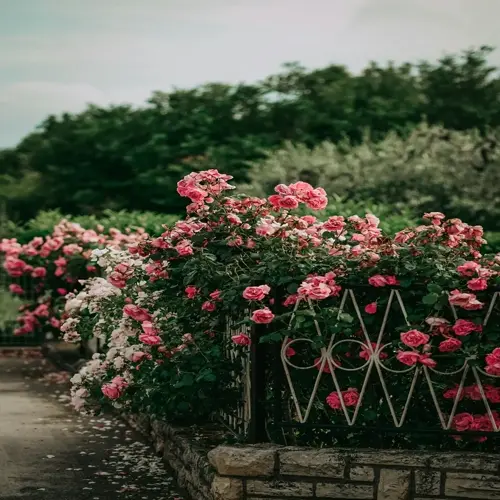

A rose flower symbolizes love, beauty, and devotion in cultures all around the world. No other bloom carries this much emotional weight. The rose has been your go-to flower for deep feelings since ancient times.
I've seen this play out in my own family many times. Red roses covered every table at my cousin's wedding last June. The whole reception hall felt warm and full of love. Then three months later, I watched white roses line the altar at my grandmother's memorial. Same flower, but the color shift changed everything you felt in that room.
Rose symbolism meaning grew roots during the Victorian era. People in that time period created floriography, which was a coded flower language. A red rose told someone you loved them. Yellow warned of jealousy back then, though you'd use it for friendship today. Pink said thank you with warmth and care. Victorians printed full guides to these floral codes. Most of those color meanings still work for you right now.
America made roses part of its story in 1986. President Reagan named the rose our national flower. His words were simple and strong: roses stand for life, love, devotion, beauty, and eternity. That short list sums up what roses represent for people across every culture and time period. You can see why no other flower even comes close to matching that kind of range.
I always tell friends to learn what a rose flower symbolizes by color before you buy. Your color choice tells the story before you say a single word. Here's a quick guide to help you pick the right shade for any moment.
Red Roses
- Classic meaning: Deep romantic love and desire, making red your default pick for Valentine's Day and wedding days.
- Best occasions: Proposals, anniversaries, and romantic milestones where you want to show strong passion.
- Cultural note: Red roses trace their love ties back to Aphrodite, the Greek goddess of love.
White Roses
- Classic meaning: Purity, innocence, and reverence, making them a top pick for weddings and memorials.
- Best occasions: Bridal bouquets, sympathy gifts, and new baby events where the tone calls for grace.
- Cultural note: White roses show up often in religious settings tied to spiritual devotion and honor.
Yellow Roses
- Classic meaning: Friendship, joy, and warm care that falls outside of romance, great for close friends.
- Best occasions: Get-well wishes, thank-you gifts, and congrats where you want a bright, happy vibe.
- Cultural note: Yellow roses once meant jealousy in Victorian times, but now they signal warmth and cheer.
Pink Roses
- Classic meaning: Gratitude, admiration, and gentle love, sitting between red's heat and white's calm.
- Best occasions: Mother's Day, teacher gifts, and moments where you want to say thank you with heart.
- Cultural note: Darker pinks lean toward deep thanks while lighter pinks express sweet, tender feelings.
Picking the right rose color doesn't have to feel like a puzzle. Stick with red for romance, white for respect, yellow for friendship, and pink for thanks. If you're saying sorry, mix red and white roses to show both love and sincerity. For a big congrats moment, grab bright yellow or coral blooms.
You can also use a rose flower to symbolize new starts or hope by going with peach or lavender shades. Peach says you care in a warm, gentle way. Lavender hints at wonder and love at first sight. The key is matching your feelings to the right color.
Once you learn what each rose color means, you'll never second-guess your pick again. Your choices will feel natural and land the way you want them to. That's the real power behind what a rose flower symbolizes. It speaks for you when words fall short.
Read the full article: Rose Flower: Types, Meanings and Care